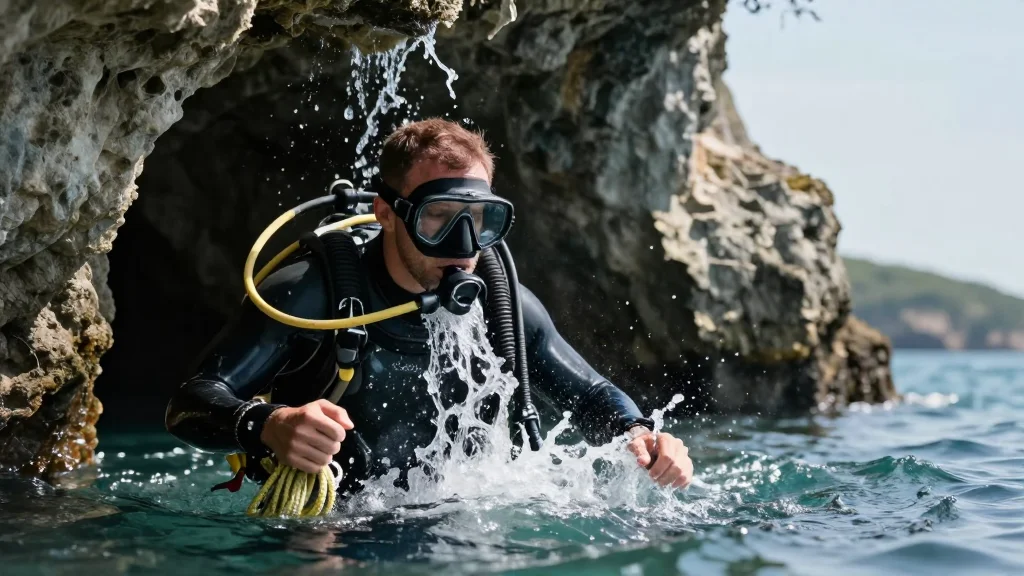
Australian Diver: Four Lao Villagers Escaped Flooded Cave Minutes Before Rescue

Why It Matters
The Lao cave rescue illustrates how extreme weather, remote geography, and limited infrastructure can converge to create life‑threatening scenarios that demand rapid, coordinated responses. Successful self‑rescue by the villagers demonstrates that, under the right conditions, trapped individuals can become active participants in their own survival, reshaping how rescue agencies allocate resources and prioritize entry points. Moreover, the incident spotlights the growing need for specialized training in flooded‑cave diving and for equipment that can adapt to quickly changing water levels, a niche yet critical segment of the outdoor adventure and rescue industry. For the broader outdoors community, the story serves as a stark reminder of the hazards inherent in caving and adventure diving, especially in monsoon‑prone regions. It also underscores the importance of pre‑expedition risk assessments, real‑time environmental monitoring, and the integration of local expertise into international rescue frameworks. As climate change amplifies extreme weather events, similar scenarios are likely to become more frequent, prompting a reevaluation of safety standards across adventure sports and disaster‑response protocols.
Key Takeaways
- •Four Lao villagers escaped a flooded cave after 10 days underground, minutes before rescue entry
- •Australian diver Josh Richards was gearing up to deliver supplies when the self‑rescue occurred
- •High‑powered pumps lowered water levels enough to create a viable exit route
- •Rescue teams were caught off guard; heavy rain threatened to raise water levels again within an hour
- •Geologist Arnold Dix said he was "90 per cent surprised" at the villagers' survival odds
Pulse Analysis
The Lao cave incident will likely catalyze a shift in how international rescue agencies approach flooded‑cave emergencies. Historically, the default strategy has been to wait for water levels to recede before sending divers, a process that can take weeks and often results in prolonged exposure for trapped individuals. Richards’ account shows that aggressive pump deployment, combined with continuous monitoring, can create narrow windows where self‑rescue becomes viable. Future operations may therefore prioritize rapid pump activation and maintain a flexible timeline that allows for spontaneous exits, rather than adhering to a rigid, delayed entry schedule.
From a market perspective, the event shines a spotlight on a niche but growing segment of the outdoor equipment industry: portable, high‑capacity dewatering systems and specialized cave‑diving gear. Companies that can deliver lightweight, battery‑operated pumps or modular breathing‑equipment kits tailored for low‑visibility, high‑risk environments stand to benefit from increased demand. Additionally, training providers that offer certification in flooded‑cave navigation and rescue coordination may see a surge in enrollment as adventure operators and government agencies seek to bolster preparedness.
Looking ahead, the missing two villagers and the looming monsoon season suggest that the rescue effort will remain in the public eye for weeks. This sustained attention could drive policy discussions in Laos and neighboring countries about investing in permanent monitoring infrastructure for karst regions, as well as establishing regional rapid‑response teams equipped with the specialized tools highlighted by this incident. The convergence of climate‑induced extreme weather and adventure tourism will likely keep cave‑rescue protocols under scrutiny, prompting both technological innovation and procedural reform in the outdoors sector.
Australian Diver: Four Lao Villagers Escaped Flooded Cave Minutes Before Rescue
Comments
Want to join the conversation?
Loading comments...