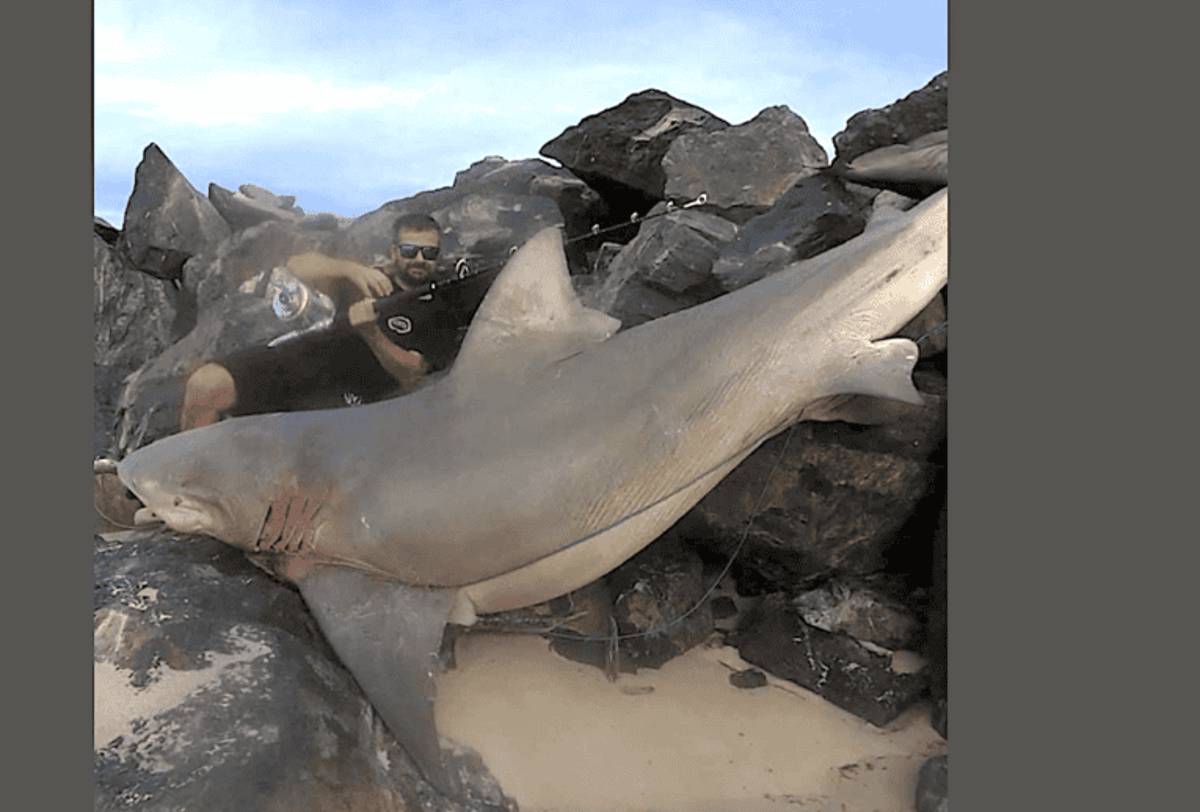
Australia’s Premier Shark Hunter to Test Efficacy of Sharkbanz Bracelets Off Tweed Heads and Yamba Beaches
Why It Matters
Proven efficacy could turn magnetic bracelets into a mainstream personal‑safety device for Australian beachgoers, while a negative outcome would push the market toward alternative shark‑deterrent technologies and inform regulatory guidance.
Key Takeaways
- •Shark Jaw Restoration plans two‑week field test off NSW beaches
- •Test compares bait with and without Sharkbanz using underwater cameras
- •Funding goal $4.6k USD; $2.6k raised so far via GoFundMe
- •No corporate sponsorship; open to other shark‑deterrent brands
- •Results could shift consumer confidence in magnetic shark‑deterrent tech
Pulse Analysis
Australia records more than 30 fatal shark encounters each decade, with bull sharks responsible for a disproportionate share along the New South Wales coast. Their aggressive feeding patterns and ability to navigate shallow waters make them a persistent threat to swimmers, surfers and commercial fishers. As public pressure mounts for safer beaches, personal‑deterrent solutions—ranging from electric repellents to acoustic devices—have flooded the market, yet few have undergone rigorous, real‑world testing. Sharkbanz, a magnetic bracelet marketed on the premise of confusing a shark’s electroreceptors, remains controversial after high‑profile incidents where victims wore the device without apparent protection.
The core technology behind Sharkbanz relies on low‑frequency electromagnetic fields generated by neodymium magnets. Proponents argue that these fields interfere with the ampullae of Lorenzini, the sensory organs sharks use to detect bioelectric signals. However, scientific literature offers mixed results; laboratory studies show modest behavioral changes, while field data are scarce. Critics point to the 2025 Western Australian coroner’s ruling that a Sharkbanz‑equipped surfer’s death would not have been prevented, underscoring the gap between marketing claims and empirical evidence. This uncertainty fuels consumer skepticism and creates a niche for independent validation.
Enter Joel Nancarrow, a seasoned shark hunter with a reputation for bold, hands‑on research. His planned trial will deploy baited rigs—some fitted with Sharkbanz bracelets, others bare—while high‑definition cameras capture each shark’s approach, bite attempts, and any avoidance behavior. By spanning multiple sites, tides, and daylight conditions, the study aims to isolate the bracelet’s effect from environmental variables. Funded through a modest AUD 7,000 (≈$4,600 USD) GoFundMe campaign that has already secured about $2,600 USD, the project remains free of corporate sponsorship, inviting other deterrent brands to join the experiment. Should the data demonstrate a statistically significant reduction in shark interest, the findings could legitimize magnetic bracelets as a cost‑effective safety layer, potentially reshaping insurance policies, beach‑management protocols, and consumer purchasing decisions across the region.
Australia’s premier shark hunter to test efficacy of Sharkbanz bracelets off Tweed Heads and Yamba beaches
Comments
Want to join the conversation?
Loading comments...