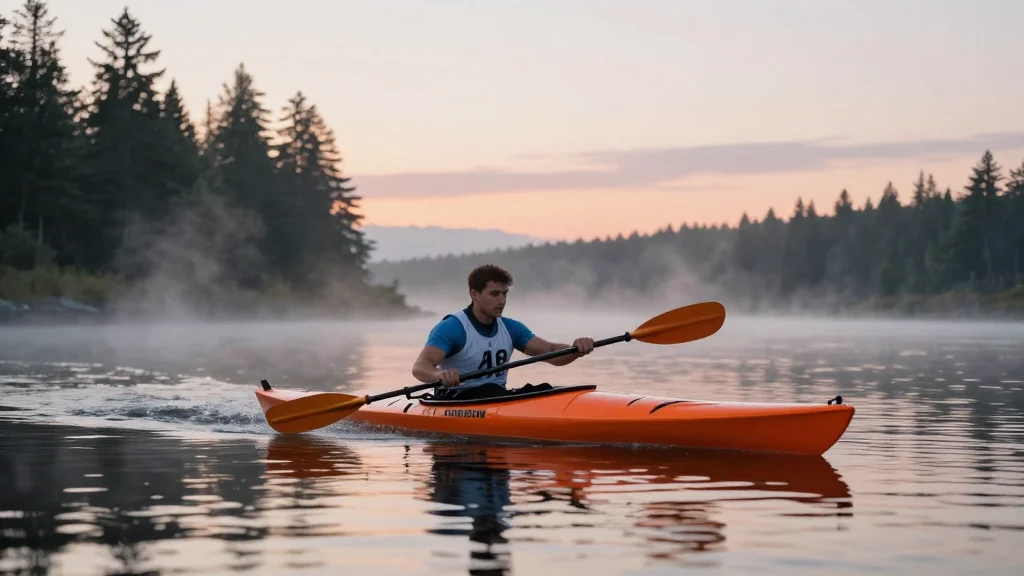
Bend Duo Shatters 150‑Mile Willamette River Record in 17h44m

Why It Matters
The new Willamette River record demonstrates how localized endurance events can serve as critical preparation for world‑class ultra‑distance races, bridging community-level outdoor recreation with elite competition. By showcasing the river’s capacity for long, unsupported paddling, the achievement may drive increased interest in river‑based tourism, supporting local economies while promoting conservation of the waterway. Moreover, the record underscores a shift toward continuous, high‑intensity training models that could reshape preparation standards across endurance sports. For the broader outdoors industry, the event highlights the marketing power of record‑setting attempts. Media attention around the record can translate into sponsorship opportunities, gear sales, and heightened participation in river sports, reinforcing the economic relevance of adventure paddling in a post‑pandemic recreation boom.
Key Takeaways
- •Chelsey Magness and Daniel Staudigel paddled 150.4 miles nonstop in 17 h 44 m, averaging 8.5 mph.
- •The run set a new speed record for the Eugene‑to‑West Linn stretch of the Willamette River.
- •Athletes used the record attempt as training for the Yukon 1000, the longest paddle race in the world.
- •Their achievement highlights the Willamette Water Trail’s potential for extreme paddling tourism.
- •Magness and Staudigel will compete together in the Yukon 1000 in July, marking their first joint entry.
Pulse Analysis
The Bend duo’s record illustrates a growing convergence between grassroots adventure sports and elite competition. Historically, ultra‑distance paddling has been dominated by a niche community that relied on incremental training runs. By executing a fully unsupported, nonstop 150‑mile sprint, Magness and Staudigel are redefining what constitutes effective preparation for races like the Yukon 1000. This approach mirrors trends in ultra‑marathon running, where athletes favor continuous, high‑intensity efforts over segmented training.
From a market perspective, the publicity generated by the record can catalyze a surge in demand for high‑performance kayaks, ergonomic paddles, and portable gear designed for long‑haul trips. Manufacturers that align their product lines with the needs of athletes seeking nonstop endurance capabilities stand to capture a premium segment. Simultaneously, local tourism boards may leverage the narrative to promote river‑based experiences, potentially increasing visitor numbers to the Willamette corridor during shoulder seasons.
Looking forward, the upcoming Yukon 1000 will serve as a litmus test for whether the record‑setting methodology translates to success on a vastly more demanding river. If Magness and Staudigel secure a top finish, it could validate nonstop training as a best practice, prompting other paddlers to adopt similar regimens. Conversely, any setbacks may reinforce the importance of diversified training that balances continuous paddling with strategic rest. Either outcome will shape coaching philosophies and equipment development for years to come.
Bend Duo Shatters 150‑Mile Willamette River Record in 17h44m
Comments
Want to join the conversation?
Loading comments...