Best Power Meters of 2026: 7 Ride-Tested Favorites for Road, Gravel, and MTB
Companies Mentioned
Why It Matters
Accurate, consistent power data is essential for performance training, and these models deliver reliable metrics while addressing different bike setups and budget constraints, influencing purchasing decisions across the cycling market.
Key Takeaways
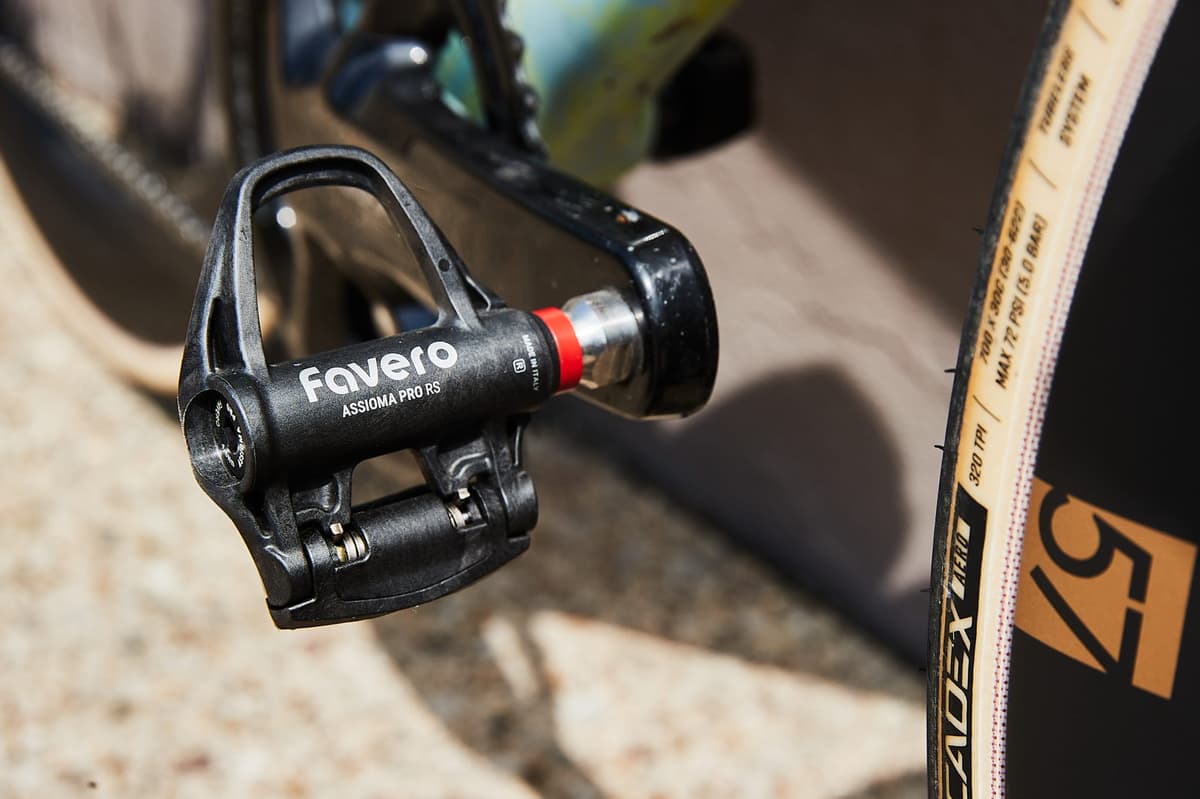
- •Favero Assioma Pro RS‑2 offers dual‑sided accuracy at lower price
- •Garmin Rally 210’s modular pedal design swaps across road, gravel, MTB
- •SRAM Force E1 AXS spider enables quick chainring changes, uses coin cell
- •Power meter accuracy ±1% matters less than consistency for training
- •Battery life varies widely: 75‑hour to 800‑hour depending on model
Pulse Analysis
Power meters have moved from niche accessories to core training tools, driven by advances in sensor technology and wireless connectivity. Modern devices now pair seamlessly with ANT+ and Bluetooth platforms, feeding real‑time wattage data to apps like Strava and TrainingPeaks. This shift has broadened adoption beyond elite racers to recreational cyclists seeking quantifiable performance metrics, making accuracy and consistency the primary differentiators rather than raw price alone.
Among the 2026 favorites, Favero’s Assioma Pro RS‑2 stands out for delivering dual‑sided power measurement in a lightweight pedal that fits standard Ultegra‑style stacks, all at a price that undercuts many competitors. Garmin’s Rally 210 leverages a modular design, allowing riders to transfer the same power meter across road, gravel, and mountain bikes—a compelling proposition for multi‑discipline athletes, though its higher cost is offset by advanced data integration with Garmin head units. SRAM’s Force E1 AXS spider caters to riders who prioritize drivetrain flexibility, offering quick chainring swaps and a durable CR2032 battery that lasts up to 200 hours.
For cyclists, the choice of power meter now hinges on how the device fits into their training workflow and bike ecosystem. Pedal‑based meters excel in portability, while spider and crank‑based solutions offer protection from road debris. Battery longevity varies dramatically, influencing long‑term ownership costs. As manufacturers continue to refine strain‑gauge precision and introduce features like mid‑ride auto‑calibration, riders can expect even tighter data consistency, reinforcing the power meter’s role as an indispensable metric for optimizing performance and preventing injury.
Best Power Meters of 2026: 7 Ride-Tested Favorites for Road, Gravel, and MTB
Comments
Want to join the conversation?
Loading comments...