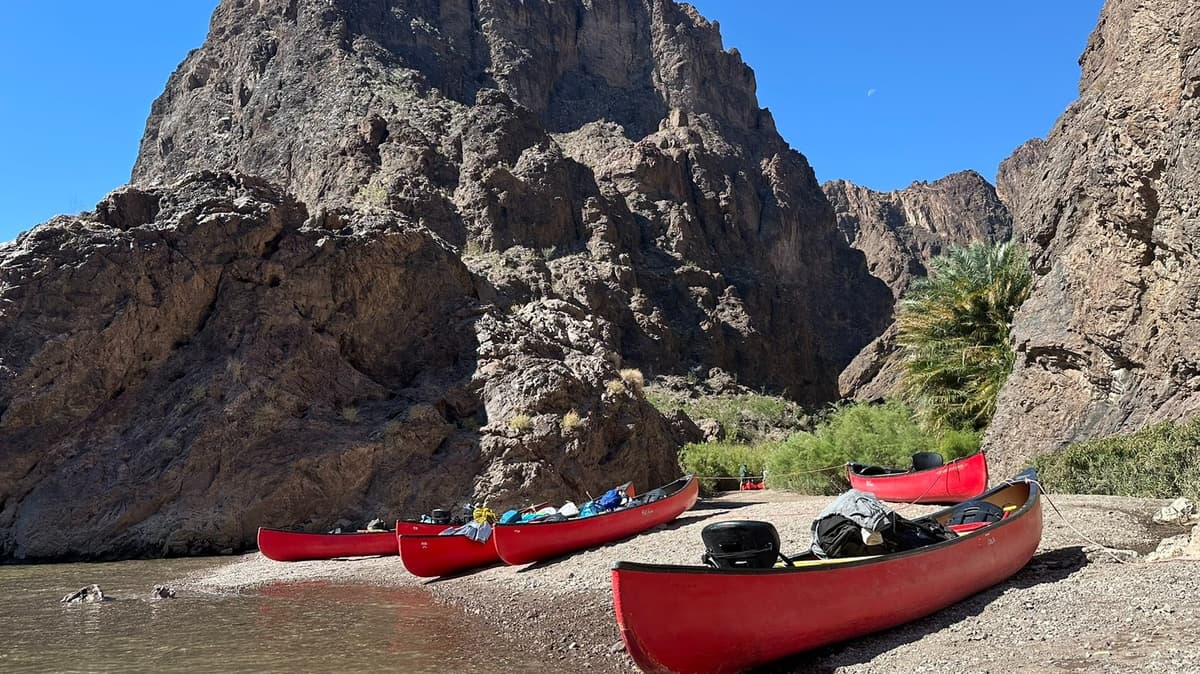
Between Arizona And Nevada Is A Secret Water Trail With Camping, Caverns, And Hot Springs
Why It Matters
The trail merges outdoor recreation with the Las Vegas hospitality market, generating incremental tourism revenue and diversifying the region’s entertainment portfolio. Its unique blend of water sport, hot‑spring soaking, and wildlife viewing meets growing consumer demand for experiential travel.
Key Takeaways
- •12‑mile Black Canyon trail links Hoover Dam to Willow Beach
- •Year‑round 54 °F river water offers cool paddling in desert heat
- •Hot‑spring stops include Gold Strike, Boy Scout, and Arizona Springs
- •Operators handle permits for restricted‑access launch zone near Hoover Dam
- •Sunday/Monday motor‑boat bans ensure quiet backcountry experience
Pulse Analysis
Adventure tourism continues its rapid ascent, and the Black Canyon Water Trail exemplifies the niche experiences drawing affluent travelers away from traditional casino floors. Nestled along the Nevada‑Arizona border, the 12‑mile flat‑water corridor offers a rare combination of desert scenery, geothermal hot‑springs, and wildlife spotting—all within a 40‑mile drive from the Las Vegas Strip. National Geographic’s endorsement has amplified its visibility, positioning the trail as a premium day‑trip that complements the city’s high‑stakes entertainment offerings.
Local outfitters such as Blazing Paddles capitalize on this demand by handling the required permits for the restricted‑access launch zone adjacent to Hoover Dam, coordinating shuttle pickups from major hotels, and providing guided or self‑guided packages. These services inject direct spending into the regional economy, supporting jobs in guiding, equipment rental, and hospitality. Partnerships with Las Vegas resorts create a seamless guest experience, encouraging longer stays and higher ancillary spend on dining and accommodations, while the modest fee for the launch zone adds a steady revenue stream for federal and state agencies.
Environmental stewardship remains central to the trail’s sustainability. The Colorado River’s cold, year‑round flow—sourced from the bottom of Lake Mead—maintains a comfortable 54 °F water temperature, while seasonal closures of the canyon’s hiking paths protect delicate hot‑spring ecosystems. Motor‑boat bans on Sundays and Mondays preserve a tranquil backcountry atmosphere, safeguarding habitats for bighorn sheep, eagles, and peregrine falcons. As climate‑aware travelers prioritize low‑impact adventures, the Black Canyon Water Trail is poised to grow responsibly, balancing economic benefits with conservation imperatives.
Between Arizona And Nevada Is A Secret Water Trail With Camping, Caverns, And Hot Springs
Comments
Want to join the conversation?
Loading comments...