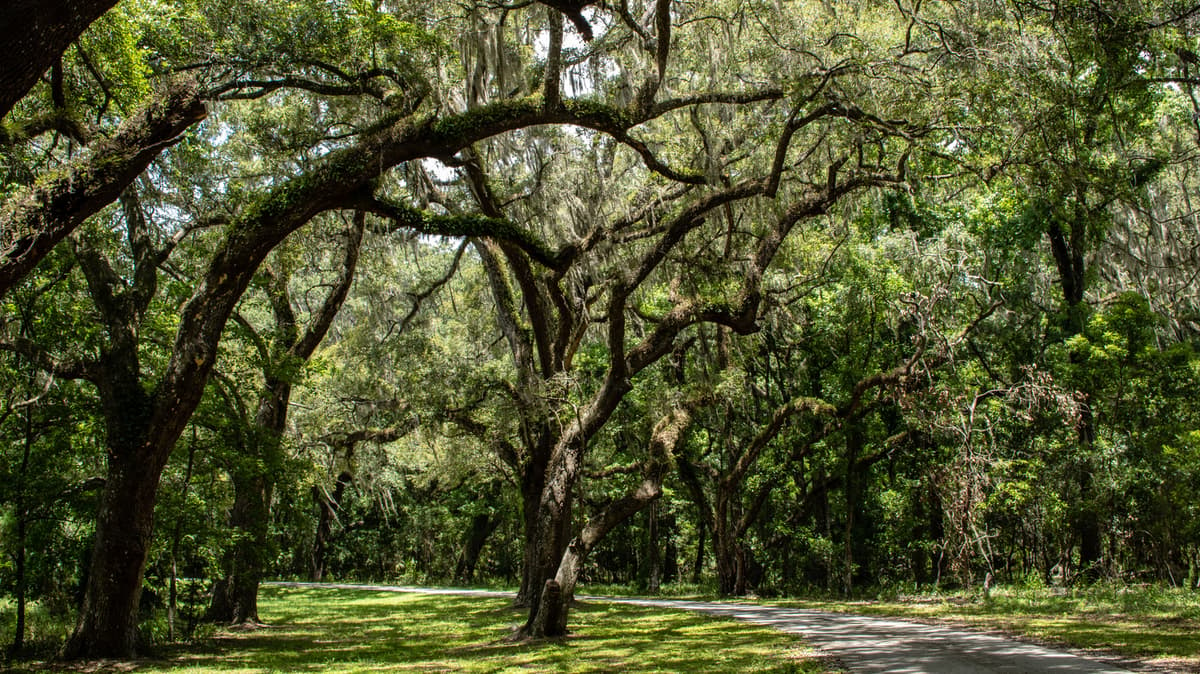
Between Tampa And Gainesville Is Florida's Wilderness Escape For Camping, Hiking, And Fishing
Why It Matters
The site expands Florida’s tourism beyond beaches, driving inland economic activity while preserving critical habitat corridors for wildlife.
Key Takeaways
- •Richloam spans 58,000 acres across four Florida counties
- •Located in Withlacoochee State Forest, a WWF Top‑10 hidden gem
- •9‑mile East Loop trail offers moderate three‑hour hike
- •Little Withlacoochee River provides year‑round largemouth bass fishing
- •Primitive camping is free, first‑come, first‑served, no water amenities
Pulse Analysis
While Florida’s coastline draws the bulk of tourist attention, the state’s interior harbors a network of forested preserves that are increasingly becoming destinations for outdoor enthusiasts. Richloam Wildlife Management Area, encompassing more than 58,000 acres within the Withlacoochee State Forest, sits roughly an hour north of Tampa and a half‑day south of Gainesville. The WWF recently listed the forest among its “Top 10 Coolest Places You’ve Never Seen” in North America, underscoring the area’s ecological diversity—from pine‑oak hammocks to cypress swamps—and its role on the Great Florida Birding and Wildlife Trail.
The preserve offers a versatile trail system, highlighted by the 9‑mile East Loop that delivers a moderate three‑hour hike through riverbanks and prairie openings. Birdwatchers also frequent the loop, spotting wood storks, great blue herons and a variety of songbirds. Anglers are drawn to the Little Withlacoochee River, where largemouth bass, bluegill and catfish can be caught year‑round, provided they obtain a permit from the Florida Fish and Wildlife Conservation Commission. Primitive camping is free and operates on a first‑come, first‑served basis, though sites lack water and other amenities. These low‑cost, low‑impact options attract families, weekend adventurers, and equestrian groups, generating modest spending in nearby towns.
Beyond recreation, Richloam serves as a critical wildlife corridor linking fragmented habitats across Hernando, Pasco, Sumter and Lake counties. The presence of species such as gopher tortoises and wood storks highlights the area’s conservation value, prompting state agencies to balance public access with habitat protection. As Florida’s population continues to grow, preserving and promoting sites like Richloam can alleviate pressure on coastal resorts while delivering sustainable economic benefits to inland communities. Continued investment in trail maintenance and visitor education will be key to its long‑term viability.
Between Tampa And Gainesville Is Florida's Wilderness Escape For Camping, Hiking, And Fishing
Comments
Want to join the conversation?
Loading comments...