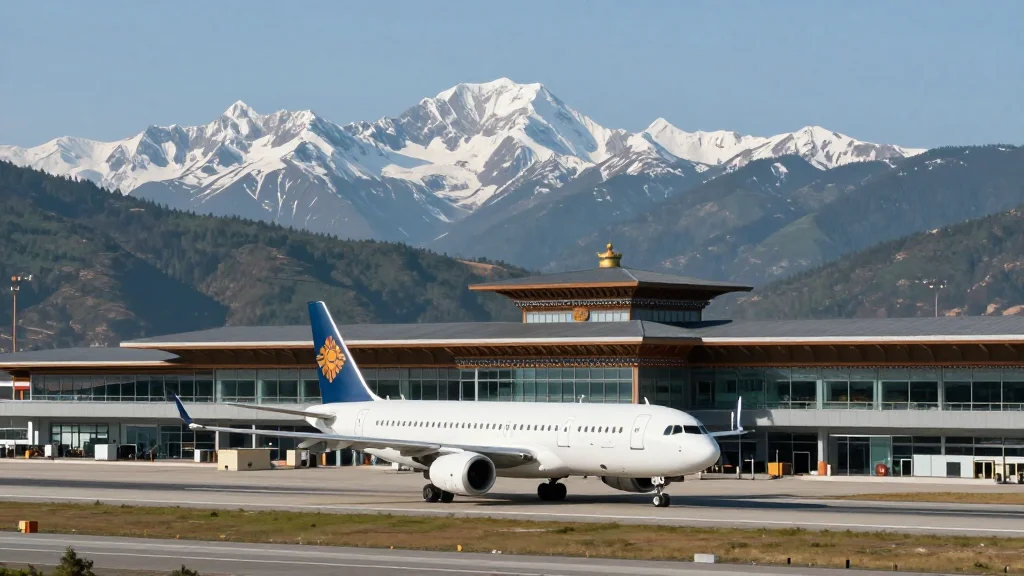
Bhutan’s Gelephu Airport Set to Open 2029, Opening Remote South to Adventure Travelers

Why It Matters
The Gelephu Airport project reshapes the adventure‑travel landscape by turning one of the world’s most inaccessible regions into a viable destination for hikers, wildlife enthusiasts, and wellness seekers. By coupling high‑capacity air travel with a modest per‑night sustainability fee, Bhutan attempts to monetize tourism without compromising its cultural and environmental safeguards. The outcome will influence how other remote nations design tourism strategies that balance economic benefits with preservation. Moreover, the airport and accompanying rail link could catalyze cross‑border economic activity between Bhutan and India, fostering regional connectivity while showcasing a model of low‑impact infrastructure development. The success or failure of Gelephu’s high‑value, low‑volume approach will be a bellwether for global debates on sustainable tourism in fragile ecosystems.
Key Takeaways
- •King Jigme Khesar Namgyel Wangchuck inaugurated Gelephu International Airport construction, slated for 2029 opening.
- •Airport capacity: 123 flights per day, designed with timber terminal that won 2025 World Architecture Festival award.
- •New Sustainable Development Fee: $100 per adult per night, replacing previous bundled daily tariff.
- •Gelephu Mindfulness City aims to house 1 million residents by 2060, focusing on wellness and low‑impact living.
- •A 69‑km rail link to Assam, India, will connect the new airport to regional transport networks.
Pulse Analysis
Bhutan’s decision to invest heavily in southern infrastructure marks a calculated gamble. Historically, the kingdom’s tourism model relied on scarcity to preserve its cultural fabric and natural habitats. By introducing a high‑capacity airport, Bhutan risks diluting that scarcity, yet the accompanying $100 nightly fee and the emphasis on mindfulness tourism suggest a nuanced strategy: attract higher‑spending, lower‑impact visitors who value experiential travel over mass consumption.
From a market perspective, the new gateway could unlock untapped adventure niches—high‑altitude trekking, bird‑watching, and community‑based homestays in the southern valleys. These offerings align with a growing segment of affluent travelers seeking authentic, low‑density experiences. If Bhutan can successfully market Gelephu as a wellness‑focused adventure hub, it may command premium pricing that compensates for any increase in visitor numbers.
However, the infrastructure rollout also raises concerns. The rapid construction of an airport and rail line could strain local ecosystems, especially if environmental safeguards are not rigorously enforced. The government’s commitment to a $100 fee is a positive signal, but without transparent reinvestment into conservation, the fee may be perceived as a revenue tool rather than a protective measure. The next few years—leading up to the airport’s 2029 debut—will be critical for monitoring visitor flows, ecological impact assessments, and community sentiment. Bhutan’s experiment will likely become a case study for other remote nations wrestling with the paradox of opening up to tourism while safeguarding their heritage.
Bhutan’s Gelephu Airport Set to Open 2029, Opening Remote South to Adventure Travelers
Comments
Want to join the conversation?
Loading comments...