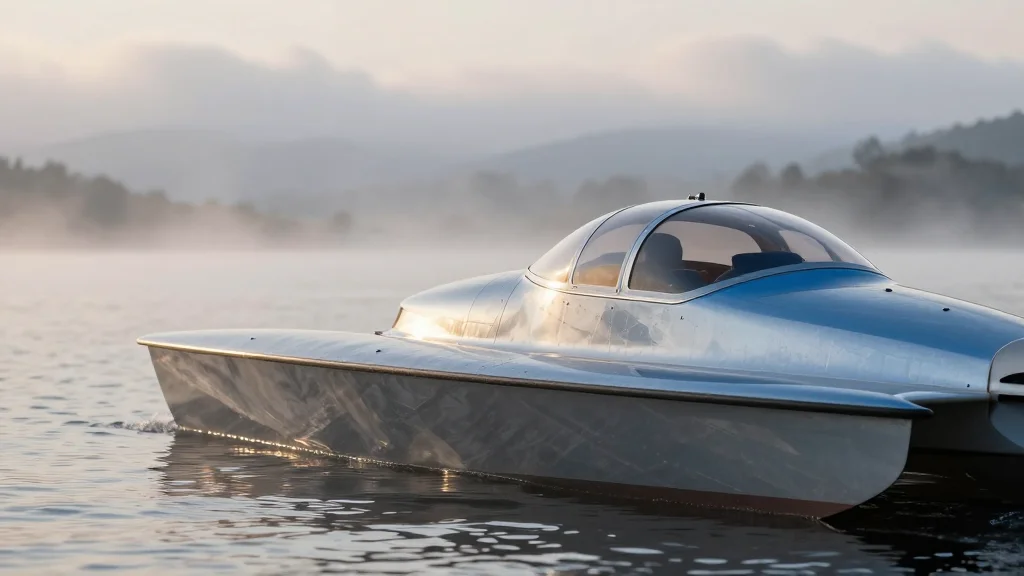
Bluebird's Coniston Water Speed Attempts Stopped by Adverse Weather

Why It Matters
The Bluebird’s halted runs illustrate the fragile balance between heritage engineering and modern safety standards in outdoor adventure sports. As climate variability increases the frequency of adverse weather, events that rely on precise conditions—such as water‑speed record attempts—face heightened uncertainty. Successful navigation of these challenges could revitalize interest in historic motorsport, drawing tourism and investment to regions like the Lake District, while also prompting stricter safety and environmental guidelines for similar pursuits. Moreover, the episode spotlights the logistical complexities of restoring and operating vintage high‑performance machines. Lessons learned from the Bluebird’s canopy failure and engine thrust issues will inform future restoration projects, potentially leading to more robust design standards that reconcile historical authenticity with contemporary risk management.
Key Takeaways
- •Bluebird K7 reached 100 mph (160 km/h) on Friday before runs were halted
- •Event timed near the 70th anniversary of Donald Campbell’s 1955 record
- •Upper wind and wave height limits forced abort of Saturday attempts
- •Cockpit canopy could not close properly, prompting safety‑first decision
- •Orpheus jet engine struggled to provide enough thrust for planing
Pulse Analysis
The Bluebird’s comeback is more than a nostalgic stunt; it signals a resurgence of niche, high‑risk water sports that blend heritage with cutting‑edge engineering. Historically, water‑speed record attempts have been sporadic, often driven by individual visionaries rather than sustained commercial ventures. This revival, backed by museum stewardship and private challengers like Dave Warby, suggests a shift toward institutional support, which could unlock new funding streams and regulatory frameworks.
However, the incident also reveals a structural vulnerability: reliance on narrow weather windows. As climate patterns become less predictable, organizers may need to invest in advanced forecasting tools or consider alternative venues with more stable conditions. The trade‑off between preserving the historic character of the Bluebird and integrating modern safety features will likely shape future restoration philosophies across the outdoor adventure sector.
If the Bluebird can eventually achieve its target speed, it could catalyze a wave of similar projects, encouraging museums and private investors to resurrect other iconic machines. Yet the path forward will require balancing public fascination with rigorous risk assessment, ensuring that the thrill of high‑speed water sport does not come at the expense of safety or environmental stewardship.
Bluebird's Coniston Water speed attempts stopped by adverse weather
Comments
Want to join the conversation?
Loading comments...