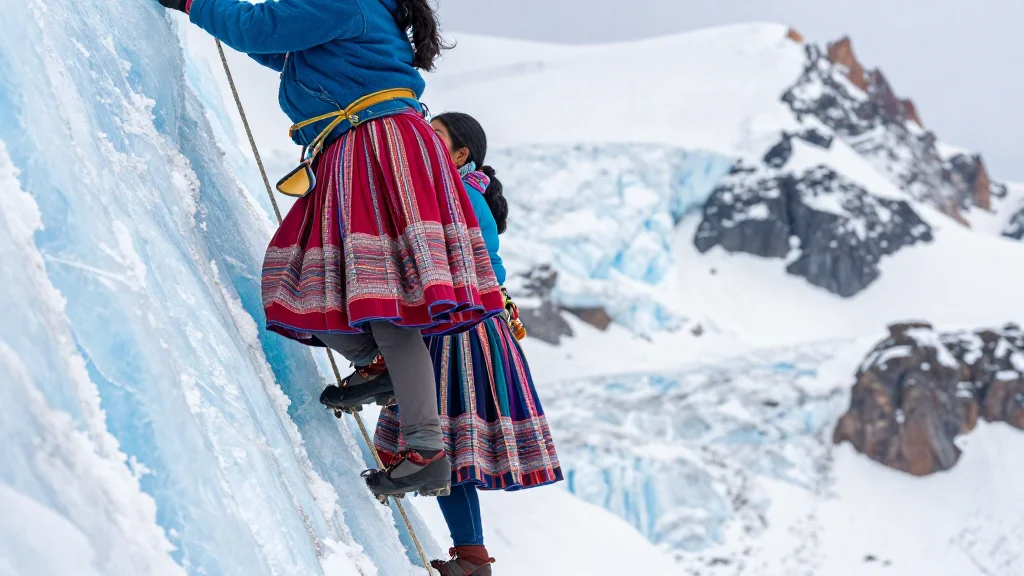
Bolivian 'Cholita' Climbers Conquer Andean Glaciers in Traditional Skirts

Why It Matters
The climb underscores how Indigenous identity can be woven into the fabric of modern adventure sports, offering a powerful counter‑narrative to the homogenized image of mountaineering. By foregrounding the pollera, the cholita climbers challenge historic stigmas and demonstrate that cultural symbols can coexist with high‑performance gear, encouraging broader acceptance of diverse expressions in outdoor pursuits. Economically, the partnership creates a sustainable revenue stream for Aymara communities, turning cultural heritage into a marketable asset without commodifying it. As global travelers increasingly prioritize authentic, socially responsible experiences, the cholita model may inspire similar initiatives that blend tourism with cultural preservation, reshaping the economics of adventure travel in the Andes and beyond.
Key Takeaways
- •Aymara sisters Liita and Estrella guided a women‑only climb of Glaciar Viejo’s 30‑meter ice wall.
- •Climbers wore traditional pollera skirts, adapting techniques to prevent fabric from snagging crampons.
- •The expedition was organized by Thread Caravan in partnership with Las Cholitas Escaladoras.
- •The climb highlights a growing market for culturally immersive, women‑only adventure tourism.
- •Future plans include expanding to other Andean peaks and adding cultural workshops.
Pulse Analysis
The cholita ascent illustrates a broader shift toward experiential travel that foregrounds identity politics and community empowerment. Historically, high‑altitude mountaineering has been dominated by Western narratives and gear‑centric branding. By inserting Indigenous dress and storytelling into the core of the climb, the program reframes the adventure narrative, positioning cultural authenticity as a competitive advantage. This aligns with a post‑pandemic surge in niche tourism, where travelers seek deeper connections and are willing to pay a premium for curated, socially conscious experiences.
From a market perspective, the success of this women‑only, culturally specific trek could catalyze a wave of similar offerings across the Global South. Operators that partner with local Indigenous groups can differentiate themselves in a crowded market, while also mitigating the risk of cultural appropriation through genuine collaboration. The model also offers a template for sustainable economic development: revenue stays within the community, and the visibility generated by high‑profile media coverage can attract further investment in infrastructure, training, and safety standards.
Looking forward, the scalability of the cholita model will depend on balancing authenticity with safety and environmental stewardship. As demand grows, operators must ensure that increased foot traffic does not degrade fragile glacial ecosystems. Moreover, the technical adaptations required to climb in polleras may inspire equipment manufacturers to design gear that accommodates traditional clothing, opening a new product niche. If these challenges are managed thoughtfully, the cholita phenomenon could redefine how culture and sport intersect on the world’s highest peaks.
Bolivian 'Cholita' Climbers Conquer Andean Glaciers in Traditional Skirts
Comments
Want to join the conversation?
Loading comments...