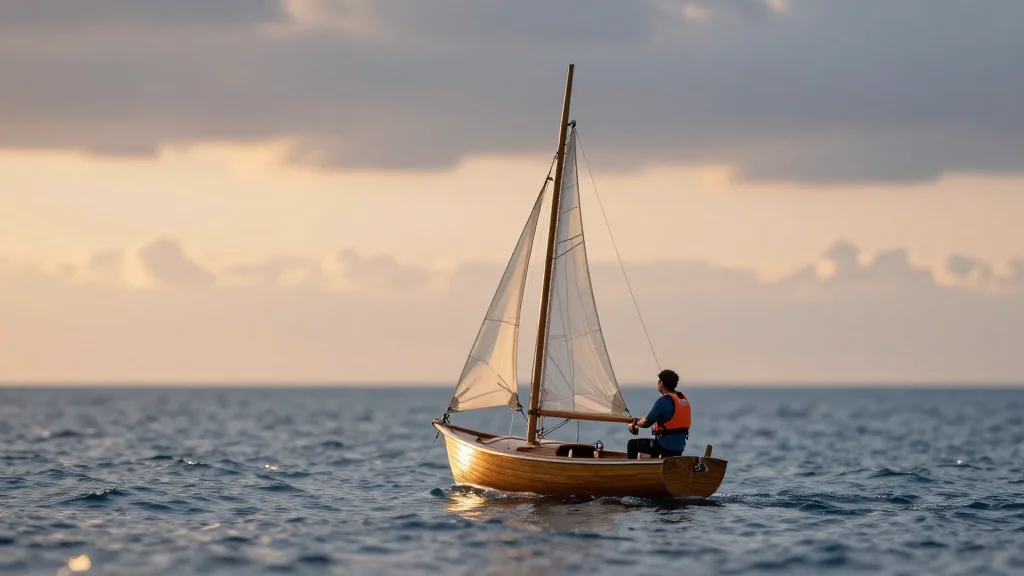
British Adventurer Launches 4‑Foot Boat for Solo Atlantic Crossing

Why It Matters
Bedwell’s Atlantic crossing spotlights a growing niche of ultra‑small, solo ocean voyages that blend adventure with engineering. Success could validate micro‑boat designs for long‑distance travel, influencing future recreational and scientific expeditions that prioritize portability and low environmental impact. Conversely, any mishap would highlight the safety challenges inherent in pushing vessel size to its limits, potentially prompting stricter oversight for solo crossings. Beyond the technical realm, the attempt captures public imagination, reinforcing the cultural allure of lone explorers confronting vast natural forces. It may inspire a new generation of adventurers to pursue bold, unconventional challenges, while also prompting dialogue about risk management and the responsibilities of media coverage in extreme sports.
Key Takeaways
- •Andrew Bedwell launched a 3.9‑ft aluminium boat, the Big CV, from Newfoundland on 4 June 2026.
- •The planned route covers roughly 1,900 miles across the Atlantic, with an estimated duration of 90 days.
- •Bedwell aims to break Hugo Vihlen’s 30‑year‑old record of 105 days set in a 5‑ft‑4‑in vessel.
- •His previous 4‑ft fiberglass boat, "Big C," sank on day one of a 2023 attempt.
- •The Big CV’s top speed is 4.2 mph and it can only sail downwind, requiring careful launch positioning.
Pulse Analysis
The Atlantic has long been a proving ground for solo sailors, but Bedwell’s ultra‑compact approach represents a departure from the traditional 30‑foot ocean‑going yachts that dominate the record books. Historically, breakthroughs in solo sailing have hinged on incremental improvements in hull design, navigation technology, and safety gear. Bedwell’s gamble leans heavily on material science—aluminium over fiberglass—to achieve a lighter, more resilient platform, while accepting the trade‑off of reduced stability and limited upwind capability.
From a market perspective, the spectacle of a 4‑ft boat tackling a 1,900‑mile ocean crossing offers compelling content for media outlets, sponsors, and adventure tourism brands seeking differentiation. If successful, manufacturers of lightweight marine composites could see a surge in interest from niche hobbyists, potentially spawning a sub‑segment of “micro‑expedition” kits. However, the venture also underscores the thin line between daring and endangerment; a failure could trigger calls for stricter licensing and mandatory safety escorts for vessels below a certain size, reshaping regulatory frameworks.
Looking ahead, Bedwell’s journey may serve as a catalyst for re‑examining how we define “seaworthiness.” As climate change intensifies weather volatility, the ability to deploy smaller, more agile craft could become an asset for rapid scientific sampling or emergency response in remote maritime zones. Whether Bedwell’s crossing ends in triumph or tragedy, it will undeniably influence the discourse on the future of solo ocean exploration and the role of extreme minimalism in that narrative.
British Adventurer Launches 4‑Foot Boat for Solo Atlantic Crossing
Comments
Want to join the conversation?
Loading comments...