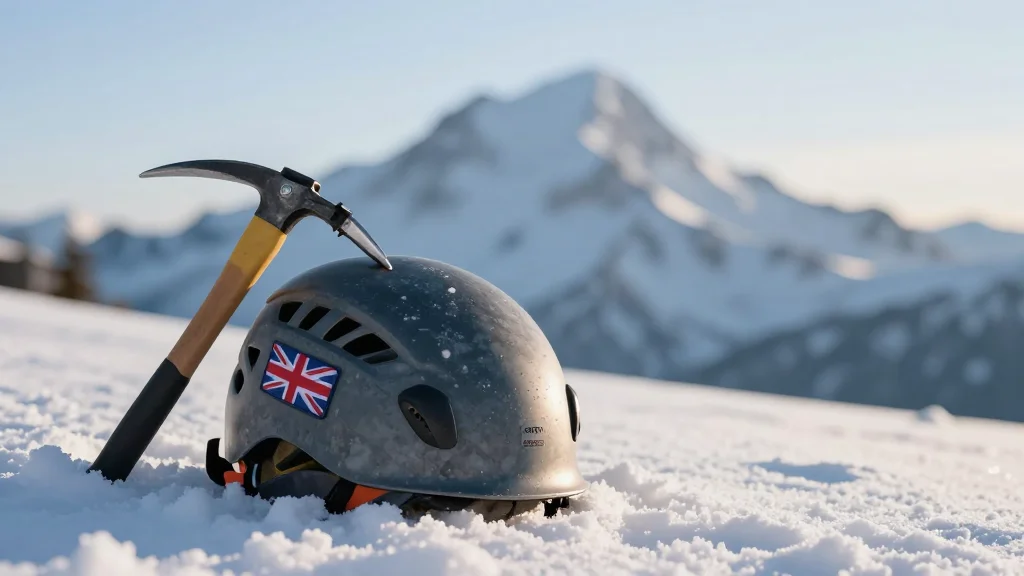
British Guide Kenton Cool Summits Everest for a 20th Time, Sets New Non‑Sherpa Record

Why It Matters
Kenton Cool’s 20th summit underscores the growing professionalism and repeatability of high‑altitude guiding, signaling that Everest is no longer a once‑in‑a‑lifetime feat for most clients. At the same time, the record‑breaking crowd size amplifies calls for stricter permit controls, which could reshape the economics of commercial expeditions and protect the mountain’s environment. The outcome of Nepal’s regulatory push will affect not only future guide‑client dynamics but also the livelihoods of Sherpa communities that depend on the climbing season. The conversation also highlights a broader shift in the outdoors industry: as adventure tourism scales, the tension between accessibility and sustainability becomes more pronounced. How authorities and operators reconcile revenue goals with safety and ecological stewardship will set precedents for other iconic peaks worldwide.
Key Takeaways
- •Kenton Cool completed his 20th Everest summit, a record for non‑Sherpa guides.
- •274 climbers reached the summit on a single day, setting a new record.
- •Permit fees remain at $15,000, but Nepal is considering experience‑based vetting.
- •Veteran Sherpa Kami Rita warned the mountain is “too crowded this year.”
- •Cool suggests he may climb two to three more times before targeting smaller peaks.
Pulse Analysis
Cool’s milestone illustrates how commercial guiding has matured into a repeatable, almost industrial operation. Decades ago, a single Everest ascent was a headline; today, seasoned guides like Cool can log multiple climbs, leveraging refined logistics, high‑altitude acclimatization protocols, and sophisticated weather forecasting. This repeatability lowers risk for paying clients but also fuels demand, inflating the number of permits issued each season.
The surge in climbers creates a feedback loop: higher traffic justifies higher permit fees, which in turn attract more affluent adventurers. Yet the mountain’s carrying capacity is finite, and the 2026 season’s crowding sparked criticism from Sherpa leaders who fear that safety and cultural heritage are being compromised. Nepal’s tentative move toward experience‑based vetting could act as a market filter, rewarding operators with robust training programs while sidelining less‑scrupulous outfits. If implemented effectively, the policy could preserve Everest’s allure without sacrificing revenue.
For the broader outdoors sector, the Everest debate serves as a case study in scaling adventure tourism responsibly. As other iconic destinations—such as Patagonia’s Torres del Paine or Alaska’s Denali—see similar visitor spikes, regulators will need data‑driven caps, transparent fee structures, and partnerships with local guides to balance economic benefits with environmental stewardship. Cool’s continued ambition, juxtaposed with calls for tighter controls, epitomizes the crossroads at which modern mountaineering stands.
British Guide Kenton Cool Summits Everest for a 20th Time, Sets New Non‑Sherpa Record
Comments
Want to join the conversation?
Loading comments...