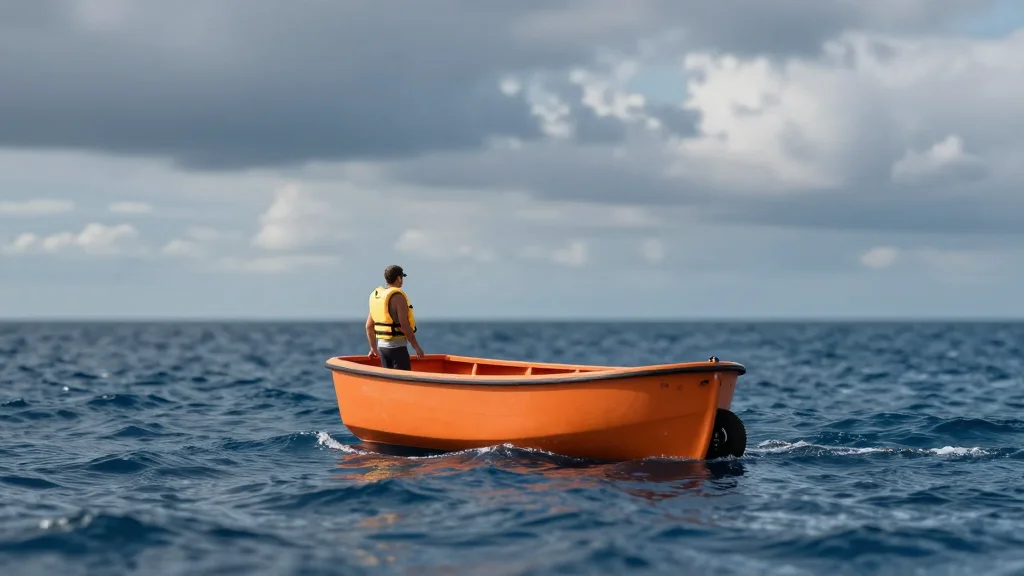
British Sailor Targets Atlantic Record in Wheelie‑Bin‑Sized Yacht

Why It Matters
Bedwell’s Atlantic attempt highlights a shift in the outdoors community toward ultra‑minimalist, high‑risk expeditions that blend personal challenge with philanthropy. By leveraging a record‑seeking narrative, the sailor aims to draw attention to cancer research, showing how adventure can serve broader social goals. The venture also raises questions about the safety envelope of micro‑yachts, potentially prompting maritime authorities to revisit guidelines for solo, unsupported crossings. If successful, the crossing could inspire a new wave of small‑craft adventurers, expanding the definition of what constitutes a viable ocean‑going vessel. Conversely, any mishap may reinforce concerns about the limits of human endurance and the adequacy of current safety protocols, influencing future funding and regulatory decisions in the extreme‑sports sector.
Key Takeaways
- •Andrew Bedwell will depart Newfoundland in mid‑May aboard a 6‑ft micro‑yacht called The Big C Version Two.
- •The vessel, roughly the size of a wheelie bin, aims to break the world record for the shortest Atlantic‑crossing boat.
- •The three‑month solo, unsupported voyage will raise funds for Cancer Research UK after Bedwell lost both parents to the disease.
- •Bedwell’s previous 2023 attempt failed when his first yacht took on water and was damaged during recovery.
- •The attempt underscores a growing trend of ultra‑small craft expeditions and sparks debate over safety standards.
Pulse Analysis
Bedwell’s project sits at the confluence of three powerful currents in the outdoors market: record‑chasing, charitable branding, and the miniaturization of adventure gear. Historically, oceanic records have been dominated by large, purpose‑built vessels; Bedwell’s micro‑yacht flips that script, suggesting that technological advances in materials and compact nutrition can shrink the barrier to entry for extreme voyages. This could open a niche market for manufacturers of ultra‑light, high‑strength hulls and bespoke survival kits, echoing the rise of ultralight backpacking gear in the early 2010s.
From a fundraising perspective, the narrative leverages the emotional pull of personal loss and the spectacle of a wheelie‑bin yacht to attract donors. In an era where cause‑related marketing is increasingly sophisticated, Bedwell’s approach demonstrates how a singular, audacious act can amplify charitable messaging far beyond traditional campaigns. Brands aligned with the expedition—whether marine apparel, nutrition bars, or satellite tracking services—stand to gain authentic exposure to a highly engaged audience.
However, the venture also surfaces regulatory and safety challenges. Maritime authorities have long grappled with balancing the spirit of adventure against the duty to protect lives at sea. A successful crossing could prompt a reevaluation of what constitutes a “seaworthy” vessel, potentially leading to new certification pathways for micro‑craft. Conversely, any incident could trigger stricter oversight, limiting the freedom of future solo adventurers. The outcome of Bedwell’s crossing will therefore reverberate through equipment manufacturers, charitable fundraisers, and policy makers, shaping the next chapter of extreme outdoor pursuits.
British Sailor Targets Atlantic Record in Wheelie‑Bin‑Sized Yacht
Comments
Want to join the conversation?
Loading comments...