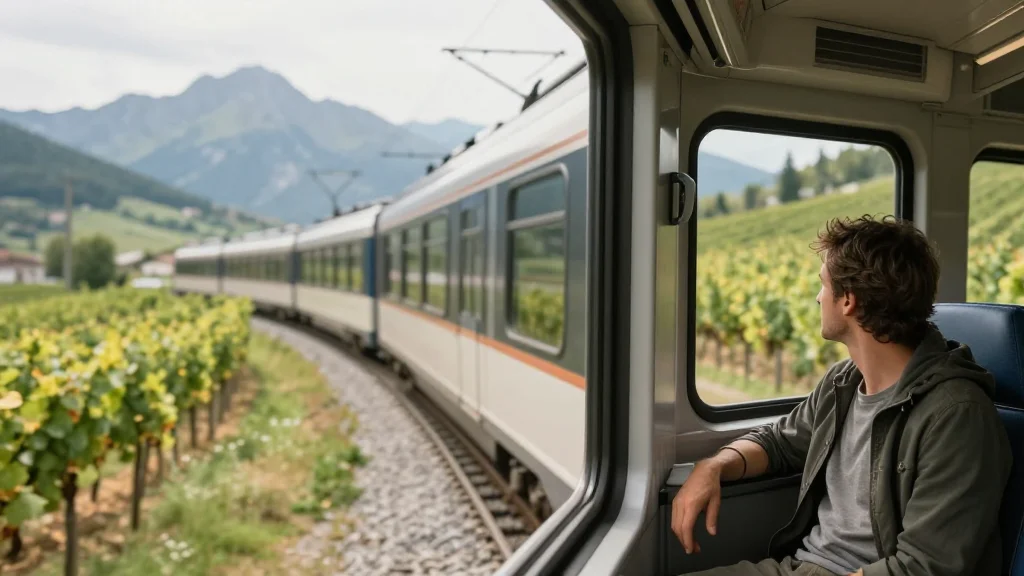
Byway and Exodus Expand Pan‑European Rail Partnership to Power Flight‑Free Adventures

Why It Matters
The Byway‑Exodus partnership illustrates how the outdoor travel industry is responding to climate‑conscious consumer demand. By offering fully rail‑based itineraries, the collaboration reduces reliance on short‑haul flights, which account for a disproportionate share of tourism‑related emissions. This shift not only helps meet carbon‑reduction targets but also redefines the adventure experience, emphasizing journey over destination and encouraging slower, more immersive travel. For the broader outdoors market, the model provides a replicable framework: combine specialized overland logistics with existing guided‑tour expertise to create low‑impact packages. As governments tighten emissions regulations and travelers increasingly scrutinize the carbon footprints of their vacations, such integrated solutions could become a competitive differentiator, driving investment toward rail infrastructure and sustainable tourism services.
Key Takeaways
- •Byway and Exodus add Italy to a rail network covering France, Spain, Germany, Switzerland, Norway, Greece and more.
- •65% of UK‑based Exodus customers now prefer train travel over the past five years.
- •54% would replace a flight with a train journey of up to 24 hours, including sleeper services.
- •29% of surveyed travelers have taken an overseas holiday by train in the last two years.
- •Two‑way referral model links Byway’s overland planning with Exodus’s small‑group guided tours.
Pulse Analysis
The Byway‑Exodus alliance arrives at a moment when the outdoor travel sector is grappling with the paradox of growth and sustainability. Historically, adventure tourism has leaned on air travel to reach remote destinations quickly, but rising carbon awareness is forcing a re‑evaluation of that model. By leveraging Europe’s dense rail network, the partnership sidesteps the emissions penalty of short‑haul flights while preserving the sense of discovery that adventure travelers crave. This approach also taps into the growing ‘slow travel’ trend, where the journey itself becomes a core part of the experience, aligning with consumer preferences for authenticity and environmental stewardship.
From a competitive standpoint, the partnership could catalyze a wave of similar collaborations. Larger tour operators with extensive air‑booking capabilities may find themselves at a disadvantage unless they develop comparable rail‑first offerings. Meanwhile, rail operators stand to benefit from increased demand for cross‑border services, potentially justifying further investment in high‑speed and sleeper routes. The success of this model may also influence policy, as governments seeking to meet climate goals could incentivize rail‑centric tourism packages, creating a virtuous cycle of demand and infrastructure development.
Looking forward, the key to scaling this model will be data‑driven itinerary design and transparent carbon accounting. If Byway and Exodus can demonstrate measurable emissions reductions and maintain profitability, they will set a benchmark for the outdoor industry, proving that sustainable adventure travel is not only feasible but also commercially viable.
Byway and Exodus Expand Pan‑European Rail Partnership to Power Flight‑Free Adventures
Comments
Want to join the conversation?
Loading comments...