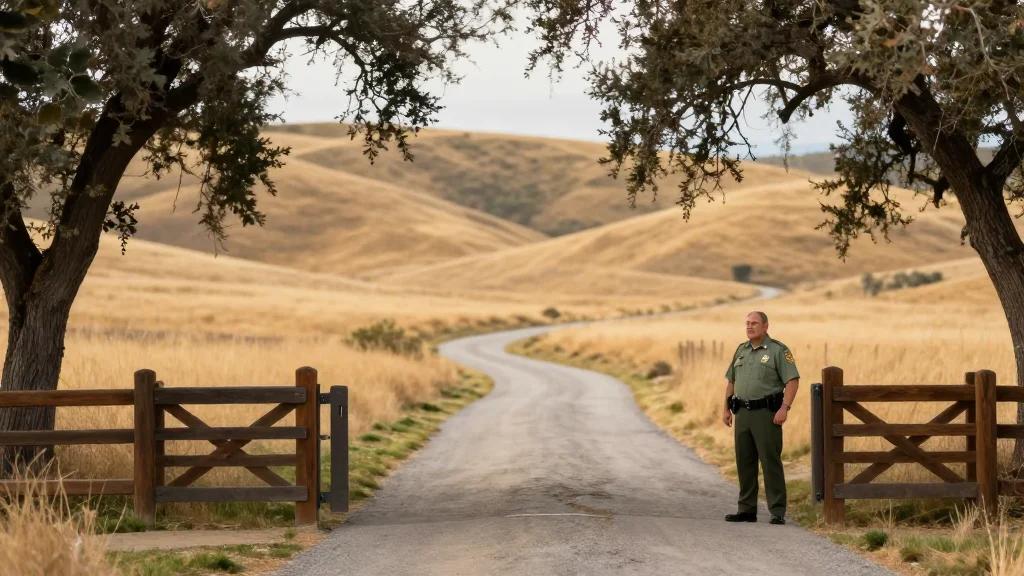
California Adds Three New State Parks, Largest Expansion in Decades

Why It Matters
The expansion reshapes California’s outdoor landscape by delivering public land to regions that have long been overlooked, fostering equity in access to nature. It also strengthens the state’s climate resilience strategy, as protected riparian zones and redwood forests play critical roles in carbon storage and water regulation. Beyond recreation, the new parks create economic opportunities for rural communities, diversifying income sources beyond agriculture. By integrating historic sites like Dust Bowl Camp, the initiative preserves cultural heritage while educating visitors about the state’s labor history, linking environmental and social narratives. The move positions California as a national benchmark for large‑scale public‑land investment, potentially influencing other states to prioritize park expansions amid growing public demand for outdoor experiences.
Key Takeaways
- •Three new state parks announced: Feather River, San Joaquin River Parkway, Dust Bowl Camp
- •30,000 acres slated for addition to existing parks by 2030
- •State park count rises to 283, the most in the United States
- •First state park in Yuba County, bringing recreation to 85,000 residents
- •453 acres of second‑growth coast redwood added to Montgomery Woods Reserve
Pulse Analysis
California’s State Parks Forward initiative reflects a strategic pivot toward integrating conservation with economic development. Historically, the state’s park system grew incrementally, often focused on coastal and mountainous regions. This latest push redirects attention to the Central Valley, a landscape traditionally dominated by intensive agriculture. By converting floodplain and riverbank parcels into protected areas, the state not only expands recreational opportunities but also invests in ecosystem services that can mitigate flood risk and improve water quality—critical benefits in a drought‑prone region.
Politically, the expansion leverages Governor Newsom’s broader environmental agenda, aligning with federal climate goals and state legislation aimed at preserving natural habitats. The inclusion of historic sites like Dust Bowl Camp adds a cultural dimension, signaling that park policy is evolving to encompass heritage tourism alongside pure nature experiences. However, the initiative must navigate entrenched interests from the agricultural sector, which may view land earmarked for parks as a loss of productive acreage. The upcoming public‑input phase will be a litmus test for how effectively the state can reconcile these competing priorities.
If the plan proceeds as outlined, California could set a precedent for other agrarian states to adopt similar models, using public‑land expansion as a tool for both environmental resilience and rural economic diversification. The success of the three new parks will hinge on securing sustained funding, delivering visitor infrastructure, and demonstrating tangible benefits to local communities, thereby cementing the political viability of large‑scale park investments for years to come.
California Adds Three New State Parks, Largest Expansion in Decades
Comments
Want to join the conversation?
Loading comments...