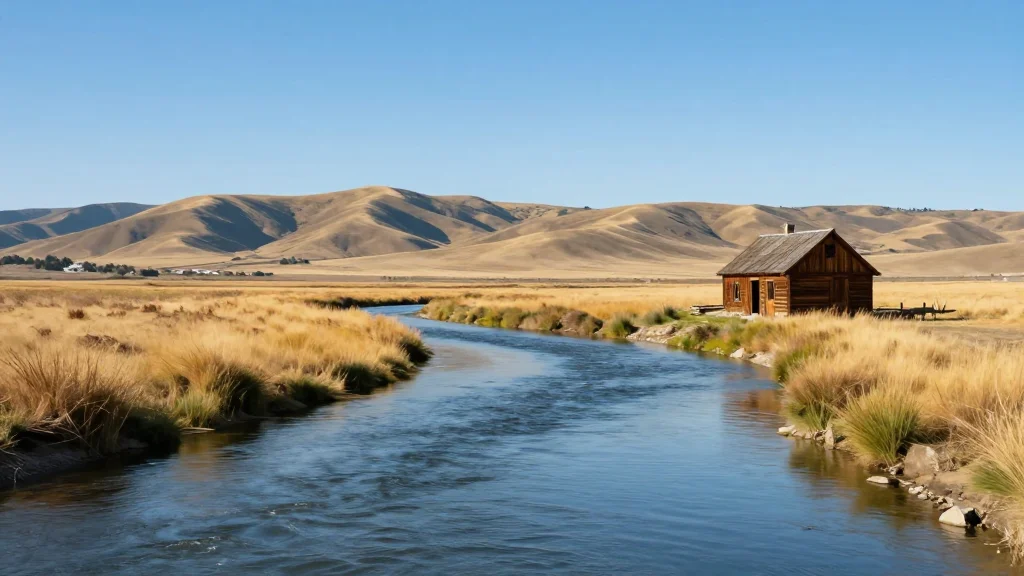
California Governor Announces Plans to Open 3 New State Parks
Why It Matters
The expansion enhances public access to natural and cultural assets while supporting tourism and conservation in a rapidly growing region. It also signals California’s commitment to preserving open space amid development pressures.
Key Takeaways
- •California's park count rises to 283 with three new openings.
- •Feather River Park adds nearly 2,000 acres in Yuba County.
- •San Joaquin River Parkway protects 875 acres across Fresno and Madera.
- •Dust Bowl Camp preserves 1930s labor camp history in Bakersfield.
- •State Parks Forward aims to acquire 30,000 acres by 2030.
Pulse Analysis
California’s latest park initiative underscores a strategic push to broaden outdoor recreation opportunities while safeguarding critical habitats. By targeting the Central Valley—a region historically underrepresented in the state’s park system—officials aim to connect fragmented ecosystems along the Feather and San Joaquin rivers. These waterways support diverse wildlife, from migratory birds to native fish, and the new parks will provide essential buffers against agricultural runoff and urban encroachment. Moreover, the inclusion of Dust Bowl Camp adds a rare cultural dimension, preserving a tangible link to the 1930s Dust Bowl migration that shaped American literature and labor history.
Each of the three parks brings distinct ecological and historical value. Feather River Park’s expansive riverfront will host boat launches, beaches, and riparian trails, attracting anglers and families alike. The San Joaquin River Parkway’s 875-acre corridor will feature a recreation facility that balances public use with habitat restoration, potentially serving as a model for multi‑use river management. Dust Bowl Camp, though modest in size, offers interpretive programs that illuminate the hardships of 1930s migrant workers, enriching the state’s heritage tourism portfolio. Together, these sites diversify California’s park offerings beyond iconic destinations like Yosemite, catering to local communities and underserved populations.
Beyond recreation, the expansion carries significant economic implications. New parks generate construction jobs, stimulate local hospitality sectors, and increase property values adjacent to green spaces. The broader 30,000‑acre acquisition goal aligns with state climate resilience plans, as protected lands can serve as carbon sinks and flood mitigation zones. By investing in both natural and cultural assets, California positions itself as a leader in integrated land stewardship, setting a benchmark for other states seeking to balance growth with environmental responsibility.
California Governor Announces Plans to Open 3 New State Parks
Comments
Want to join the conversation?
Loading comments...