Why It Matters
Tribune Bay’s unique climate and easy access boost regional tourism, generating revenue for local businesses and reinforcing British Columbia’s outdoor‑recreation brand. Its popularity also pressures park management to balance visitor growth with ecological preservation.
Key Takeaways
- •Tribune Bay provides BC’s warmest salt‑water swimming beach
- •Campsite rates start at ~US$23 per night plus US$10 fee
- •Ferry‑plus‑drive journey takes about one hour from Vancouver
- •Nearby eateries like Ringside Market serve beach‑goers
- •Hiking trail runs parallel to bay, one‑hour round‑trip
Pulse Analysis
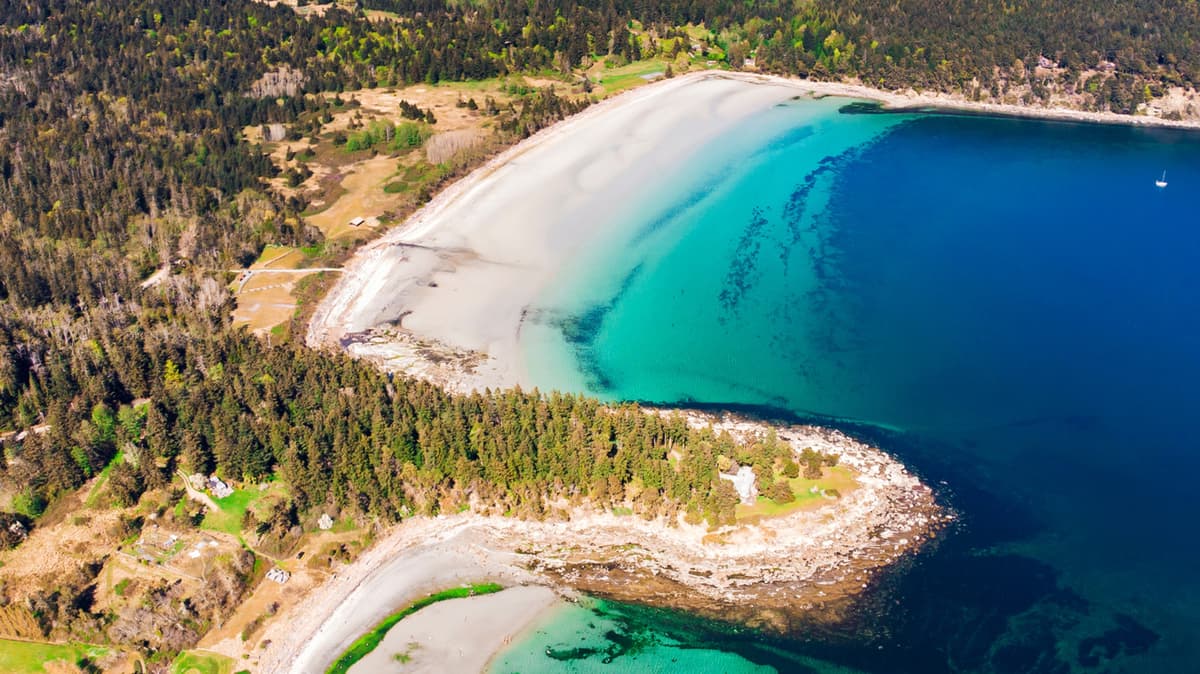
Tribune Bay Park’s reputation as “Little Hawaii” stems from a rare combination of white sand, shallow warm water and dense coastal forest, a mix seldom found on Canada’s rugged west coast. While most BC beaches are cold and pebbly, the Salish Sea’s protected bay creates a micro‑climate that rivals tropical destinations, drawing both domestic and international visitors seeking a beach experience without leaving North America. The park’s management by BC Parks ensures that the natural assets remain protected, even as visitor numbers climb during the summer months.
The economic ripple effect of Tribune Bay’s popularity is significant for Hornby Island’s small community. With campsite rates now equivalent to roughly US$23 per night plus a US$10 non‑resident surcharge, overnight stays generate steady income for local operators such as Hornby Island Bakery & Pizzeria and the Ringside Market, which cater to day‑trippers and campers alike. Accessibility is a key driver: a ferry ride from Vancouver followed by a brief 12‑minute drive places the beach within an hour’s reach, while seasonal seaplane service adds a premium travel option. These transport links feed a steady stream of tourists, supporting seasonal employment and encouraging ancillary services like bike rentals and guided hikes.
Looking ahead, park officials face the challenge of scaling infrastructure without compromising the pristine environment that defines Tribune Bay. Ongoing renovations at the campsite aim to improve waste management and shoreline protection, aligning with broader sustainability goals across BC’s protected areas. As climate change reshapes coastal conditions, the park’s relatively warm waters may become an even more valuable asset, positioning Hornby Island as a benchmark for balancing tourism growth with ecological stewardship. Stakeholders are therefore watching visitor trends closely, preparing adaptive strategies that could serve as a model for other coastal destinations seeking to blend natural beauty with economic vitality.
Canada's 'Little Hawaii' Is A White Sand Escape
Comments
Want to join the conversation?
Loading comments...