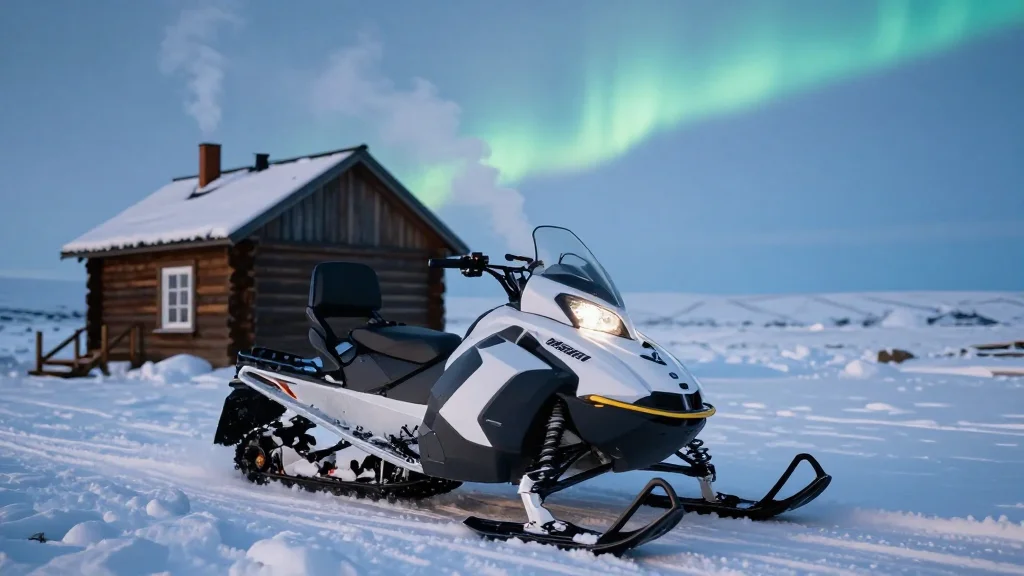
Canadian Rangers Complete 5,200‑km Arctic Patrol, Nation’s Longest in History

Why It Matters
The patrol highlights the critical role of outdoor expertise in national security, especially in remote Arctic regions where traditional infrastructure is scarce. By linking 17 isolated communities, the Rangers not only demonstrated logistical prowess but also reinforced social ties that are essential for resilience against climate‑related disruptions. Moreover, the operation showcases how government investment in outdoor capabilities—snowmobiles, training, and community outreach—can serve dual purposes of defense and civil support. As the Arctic opens up to increased shipping and resource exploration, the ability to mobilize quickly across vast, harsh terrain will become a strategic asset for Canada and a model for other nations with similar wilderness challenges.
Key Takeaways
- •214 Canadian Rangers and 62 CAF personnel completed a 5,200‑km snowmobile patrol.
- •The mission spanned 52 days, from Feb. 18 to Apr. 10, covering 17 northern communities.
- •Daily rides lasted 10‑12 hours, navigating extreme cold and limited daylight.
- •Planning took four years, reflecting a long‑term commitment to Arctic readiness.
- •Ranger Tony Kunuk emphasized community hospitality and the importance of preparation.
Pulse Analysis
The record‑setting patrol underscores a shift in how Canada approaches Arctic sovereignty: moving from static outposts to dynamic, community‑integrated operations. Historically, the Canadian Rangers have acted as a static surveillance network, but this expedition demonstrates a proactive stance, leveraging outdoor mobility to bridge gaps between remote settlements and national defense assets. The reliance on snowmobiles—a proven, low‑tech platform—highlights a pragmatic approach that balances cost, reliability, and terrain suitability, especially as climate change threatens traditional ice routes.
From a strategic perspective, the patrol serves as a deterrent signal to other Arctic stakeholders. By visibly traversing the breadth of the northern frontier, Canada reinforces its claim to the region while simultaneously building goodwill with Indigenous communities. This dual‑track strategy—security plus engagement—could become a template for other nations seeking to assert presence without heavy militarization.
Looking forward, the lessons learned about equipment durability, crew fatigue, and community liaison will likely inform future procurement and training programs. The success of this mission may accelerate investments in next‑generation cold‑weather vehicles, satellite communications, and rapid‑deployment kits, ensuring that Canada can sustain a robust Arctic response capability as environmental and geopolitical pressures intensify.
Canadian Rangers Complete 5,200‑km Arctic Patrol, Nation’s Longest in History
Comments
Want to join the conversation?
Loading comments...