Canadian Running Magazine Issues New Trail‑Runner Safety Guide After Rocky Mountain Study

Why It Matters
The guide addresses a clear safety deficit in a rapidly expanding sport. As trail running participation climbs, the likelihood of inexperienced or under‑equipped athletes encountering hazardous conditions rises, putting strain on rescue services and increasing personal risk. By translating academic findings into actionable gear recommendations, the guide bridges the gap between research and real‑world practice, potentially lowering injury and fatality rates. Moreover, the study’s revelation that confidence often outpaces actual preparedness challenges industry assumptions about self‑regulation among outdoor athletes. If the checklist gains traction, it could set a new baseline for equipment standards, influencing manufacturers, race organizers, and park policies to prioritize safety over performance alone.
Key Takeaways
- •Study surveyed >1,700 hikers and trail runners in Rocky Mountain National Park
- •Only 25 % of trail runners met defined preparedness criteria versus 15.7 % of hikers
- •16 % of runners did not inform anyone of their route or expected return time
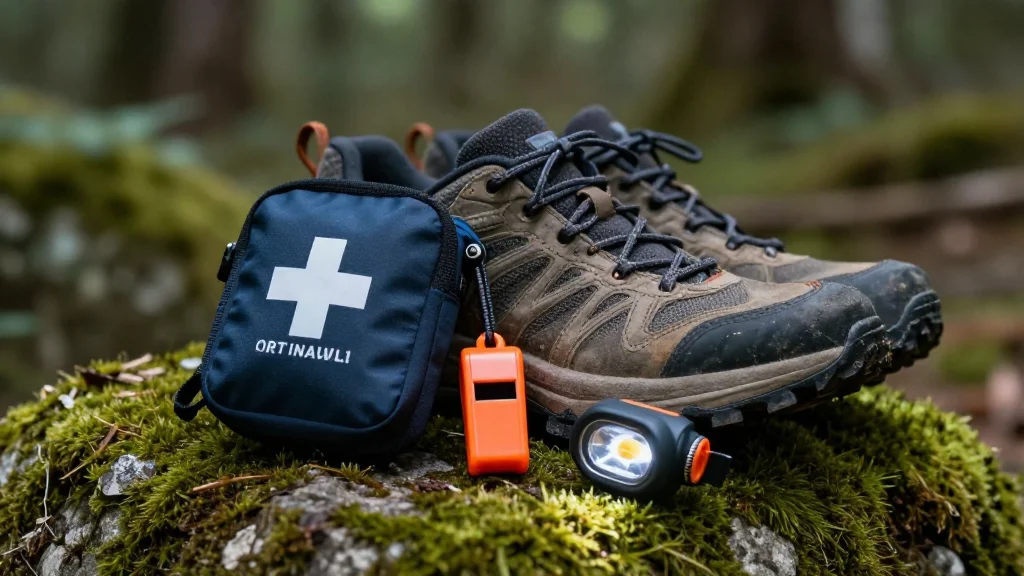
- •Guide lists five essential safety items: navigation, sun protection, insulation, first‑aid, signaling device
- •Canadian Running Magazine plans annual updates to the checklist based on new research
Pulse Analysis
The emergence of a data‑driven safety checklist marks a shift from anecdotal advice to evidence‑based standards in the trail‑running community. Historically, gear recommendations have been driven by manufacturers or elite athletes, often overlooking the practical constraints of the average runner. By grounding the checklist in a peer‑reviewed study, Canadian Running Magazine provides a credible, scalable framework that can be adopted by clubs, race directors, and outdoor retailers.
From a market perspective, the guide could stimulate demand for lightweight, multi‑function gear—such as compact emergency blankets and integrated GPS‑SOS watches—prompting manufacturers to innovate around weight and versatility. Retailers that stock these items may see a modest uptick in sales as runners seek to meet the new baseline. Simultaneously, park authorities might incorporate the checklist into permit processes or educational signage, creating a feedback loop that reinforces safety culture.
Looking forward, the real test will be whether the checklist translates into measurable reductions in rescue calls and injuries. If subsequent surveys show improved preparedness rates, the model could be replicated across other outdoor disciplines—mountain biking, backcountry skiing, and even day‑hiking—potentially reshaping safety standards industry‑wide. The key will be sustained collaboration between researchers, media outlets, and the outdoor community to keep the guidance current and relevant.
Canadian Running Magazine Issues New Trail‑Runner Safety Guide After Rocky Mountain Study
Comments
Want to join the conversation?
Loading comments...