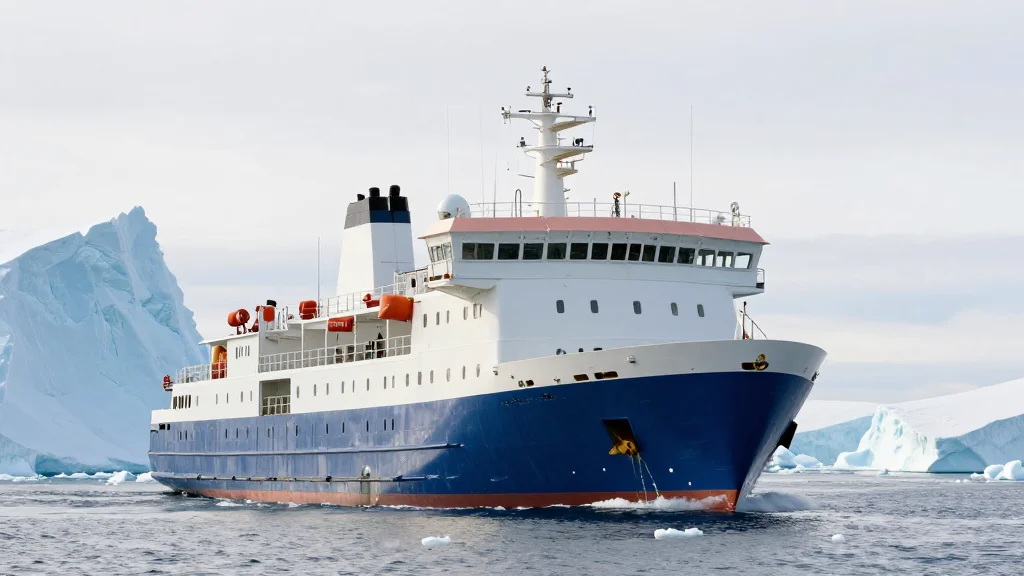
China’s Icebreaker Xuelong Returns to Shanghai After 160‑Day Antarctic Mission

Why It Matters
The successful return of Xuelong signals that China is not only advancing its scientific agenda in Antarctica but also building the operational capacity needed for commercial activities in one of the planet’s most inhospitable regions. For the outdoors sector, this development could introduce new routes, partnerships, and equipment standards for polar expeditions, potentially expanding the market for high‑risk adventure travel while also raising questions about environmental stewardship. Moreover, the data collected will feed into climate models that inform policy and conservation strategies worldwide. As climate change accelerates ice melt, the insights from Xuelong’s research could prove critical for predicting sea‑level rise and for guiding adaptive measures in coastal outdoor recreation and infrastructure.
Key Takeaways
- •Xuelong completed a 160‑day Antarctic voyage as part of China’s 42nd expedition.
- •Mission delivered glaciology, marine biology, and climate data for national models.
- •Icebreaker’s upgraded systems proved capable in multi‑year sea‑ice conditions.
- •Potential to support luxury polar tourism and joint ventures with adventure firms.
- •Environmental groups urge adherence to Antarctic Treaty protocols amid tourism growth.
Pulse Analysis
China’s polar program has moved from pure research to a hybrid model that blends science, national prestige, and commercial potential. The Xuelong’s recent success illustrates a strategic shift: by investing in ice‑breaker technology and crew expertise, Beijing is positioning itself to become a logistical hub for Antarctic activities. Historically, only a handful of nations operated dedicated icebreakers; China’s entry expands the competitive field and could drive down costs for scientific and tourism missions alike.
From a market perspective, the emergence of a state‑backed platform capable of supporting passenger modules could disrupt the niche luxury cruise segment dominated by a few Western operators. If China partners with private firms, we may see new itineraries that blend scientific outreach with high‑end adventure, appealing to affluent travelers seeking unique experiences. However, this growth must be weighed against the strict environmental safeguards of the Antarctic Treaty System, which could limit the scale and frequency of commercial voyages.
Looking ahead, the next Xuelong deployment, rumored for 2027, will likely test the commercial‑tourism model in a real‑world setting. Stakeholders—from climate scientists to adventure tour operators—should monitor regulatory developments and the vessel’s operational data to gauge how China’s polar ambitions will reshape the global outdoors ecosystem.
China’s Icebreaker Xuelong Returns to Shanghai After 160‑Day Antarctic Mission
Comments
Want to join the conversation?
Loading comments...