Why It Matters
The rescue underscores how late‑day alpine descents and extreme weather can amplify risk, prompting tighter safety guidelines and greater demand for professional guide services.
Key Takeaways
- •Late descents increase exposure to hazardous slide‑for‑life terrain
- •High winds can delay rescue response for hours
- •Mount Shasta officials advise descending by noon
- •Proper gear and emergency supplies essential for safety
- •Search‑and‑rescue incidents strain local resources
Pulse Analysis
Mount Shasta’s allure has grown dramatically in recent years, drawing novice and seasoned alpinists alike to its snow‑capped summit. The mountain’s steep ridges, combined with persistent cold and strong winds, create a "slide‑for‑life" environment where a single misstep can trigger a multi‑hundred‑foot plunge. As climbing season peaks, local authorities report a surge in summit attempts, which elevates the probability of accidents and places additional pressure on limited rescue assets.
The recent 700‑foot fall highlights operational challenges faced by search‑and‑rescue teams in high‑altitude terrain. Nighttime rescues are hampered by low visibility, wind‑driven snow, and treacherous footing, often forcing crews to postpone ascent until daylight. This delay can extend exposure for injured climbers and increase the logistical burden on agencies such as the U.S. Forest Service and county sheriff’s SAR units. The incident also illustrates the financial and manpower strain on public safety budgets, prompting discussions about cost‑sharing models with private guide operators and insurance providers.
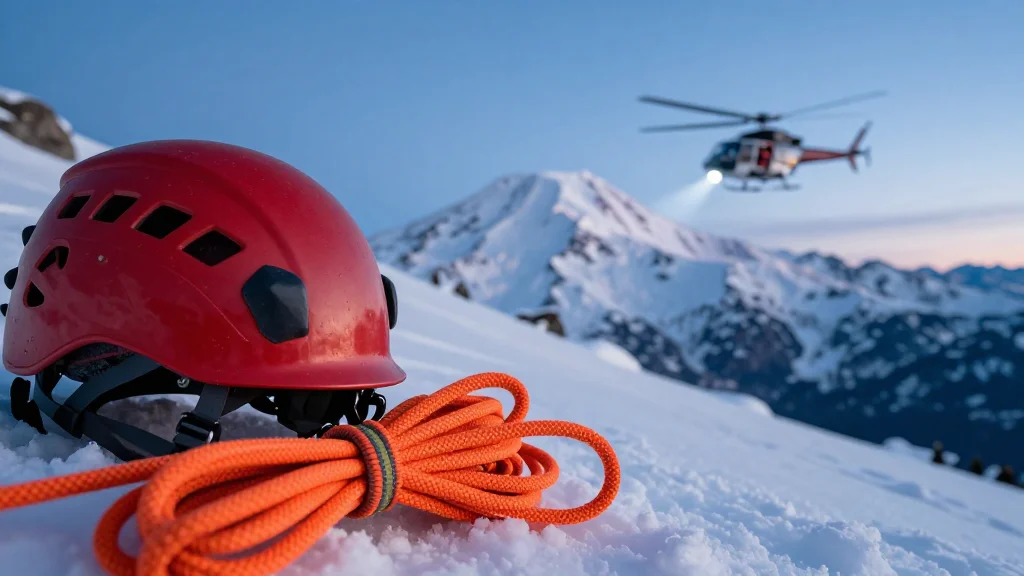
For the climbing community, the episode serves as a stark reminder to prioritize preparation. Carrying appropriate gear—crampons, helmets, ice axes—and a well‑stocked bivy kit can mean the difference between a manageable incident and a life‑threatening emergency. Industry stakeholders, including outdoor equipment manufacturers and guide services, are responding with targeted education campaigns and seasonal safety briefings. As climate patterns keep snow conditions firm and winds strong, the emphasis on early descents, thorough route planning, and real‑time weather monitoring will likely become standard practice for anyone tackling Mount Shasta’s formidable slopes.
Climber Rescued After 700-Foot Fall on California Peak
Comments
Want to join the conversation?
Loading comments...