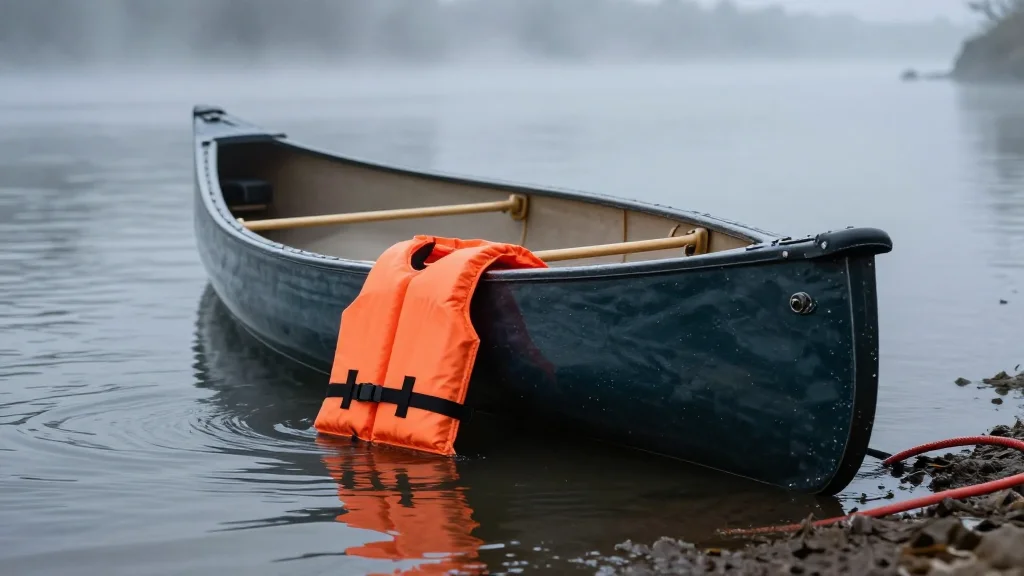
Close Call: How Canoeist Frank Bures Survived An Early-Season Capsize
Why It Matters
The incident illustrates how quickly cold‑water immersion can become fatal and why proper safety gear and rescue readiness are essential for recreational paddlers. It also shows how personal narratives can drive broader awareness of water‑safety practices.
Key Takeaways
- •Water at 42 °F (5 °C) can cause hypothermia within minutes
- •Solo canoes are less stable in wind, increasing capsize risk
- •Immediate rope rescue saved Bures, preventing drowning
- •Cold water kills by both hypothermia and drowning
- •Viral story raised public awareness of cold‑water safety
Pulse Analysis
Early‑season paddling on rivers like the Mississippi often lures enthusiasts with mild air temperatures, but water can remain near freezing. At 42 °F (5 °C), the body experiences cold‑shock response—gasping, hyperventilation, and rapid loss of peripheral circulation—followed by the mammalian diving reflex that shunts blood to vital organs. Within five to twenty minutes, muscle function deteriorates, making self‑rescue nearly impossible. Bures’ ten‑minute struggle exemplifies how quickly a competent paddler can become incapacitated, underscoring the need for cold‑water training and equipment such as insulated dry bags, proper footwear, and a well‑fitted personal flotation device.
Rescue success often hinges on swift, coordinated action. Jake and Hunter’s decision to deploy a rope and maintain a stable line prevented Bures from being swept downstream, illustrating best‑practice techniques taught in water‑rescue courses. A simple throw‑line, combined with two strong paddlers, can offset a strong current and keep both rescuer and victim afloat. Their use of a loop on the capsized canoe allowed Bures to secure himself without compromising the rescuers’ stability—a tactic recommended by the American Canoe Association. This incident reinforces the value of regular rescue drills for paddling groups and the importance of carrying redundant safety gear, even on short, solo outings.
Beyond the personal narrative, Bures’ story went viral, prompting a surge in online discussions about cold‑water safety and prompting outfitters to revisit their instructional materials. Outdoor retailers are now highlighting insulated wetsuits and emergency throw‑lines in product listings, while regional paddling clubs report increased attendance at cold‑water safety workshops. The media amplification demonstrates how compelling first‑hand accounts can influence public perception and drive industry standards, encouraging policymakers to consider mandatory safety briefings for organized river events during early spring months.
Close Call: How Canoeist Frank Bures Survived An Early-Season Capsize
Comments
Want to join the conversation?
Loading comments...