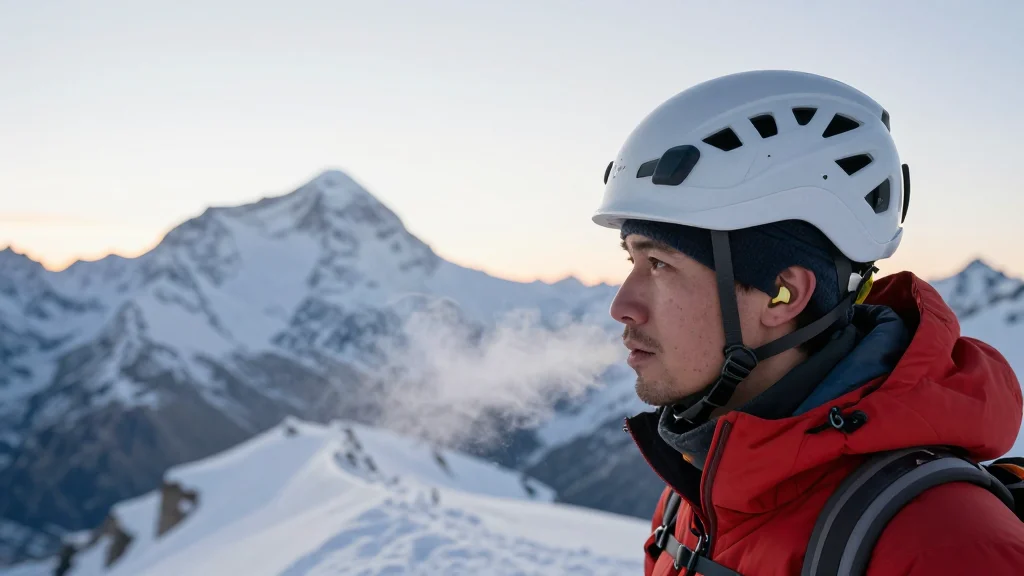
Colombian Trio Cuts 14‑Hour Alpine Route on Chimborazo’s South Face

Why It Matters
The new route on Chimborazo’s south face illustrates how elite climbers are adapting to climate‑induced changes in mountain environments, opting for faster, lighter ascents that reduce exposure to unstable terrain. This shift has implications for outdoor tourism in Ecuador, potentially increasing demand for experienced guides while also prompting regulators to reassess safety standards for high‑risk routes. Moreover, the achievement reinforces the narrative that even well‑known peaks can yield undiscovered lines, keeping the spirit of exploration alive in the modern outdoors. For the broader outdoor industry, the ascent signals a market for specialized alpine gear designed for rapid, self‑sufficient climbs. Manufacturers may see an uptick in demand for lightweight ice tools, ultralight harnesses and high‑energy nutrition packs tailored to sub‑7,000‑meter expeditions. The climb also provides a compelling story for adventure media, which can drive interest in Andean destinations beyond the traditional trekking market.
Key Takeaways
- •Three Colombian climbers opened a new 14‑hour alpine‑style route on Chimborazo’s south face.
- •The route, named “Marco Cruz 2026,” tackles slopes of 65‑85 degrees with mixed ice and rock.
- •Climbers carried all equipment and used ropes only on descent, emphasizing speed and minimal impact.
- •The ascent challenges traditional reliance on the Whymper Route and South Ridge, highlighting evolving mountaineering tactics.
- •Success may boost technical climbing tourism in Ecuador while prompting new safety and environmental guidelines.
Pulse Analysis
The Chimborazo ascent reflects a growing trend among elite alpinists: prioritizing speed and self‑reliance over the logistical heft of classic expedition models. This approach reduces exposure to objective hazards—avalanches, rockfall, and sudden weather shifts—that have become more unpredictable as Andean glaciers retreat. By demonstrating that a high‑risk wall can be negotiated in a single push, Contreras, Chaves and Galvis have set a performance benchmark that could recalibrate how future routes are conceived and attempted.
From a market perspective, the climb is likely to stimulate demand for ultra‑light technical gear, a niche that manufacturers have been courting but have yet to dominate. Companies that can deliver equipment that balances durability with weight savings stand to capture a segment of climbers seeking to replicate this style. Additionally, the publicity surrounding the route may catalyze a surge in guided expeditions to Ecuador’s lesser‑explored peaks, prompting local operators to invest in training and safety infrastructure.
Looking forward, the climb may serve as a catalyst for policy discussions around high‑altitude tourism in the Andes. Authorities will need to balance the economic benefits of increased adventure travel with the responsibility to protect fragile mountain ecosystems and ensure climber safety. If the “Marco Cruz 2026” line becomes a regular objective, we could see the emergence of a new sub‑culture within Andean mountaineering—one that values rapid, low‑impact ascents as the gold standard for tackling the continent’s most demanding faces.
Colombian Trio Cuts 14‑Hour Alpine Route on Chimborazo’s South Face
Comments
Want to join the conversation?
Loading comments...