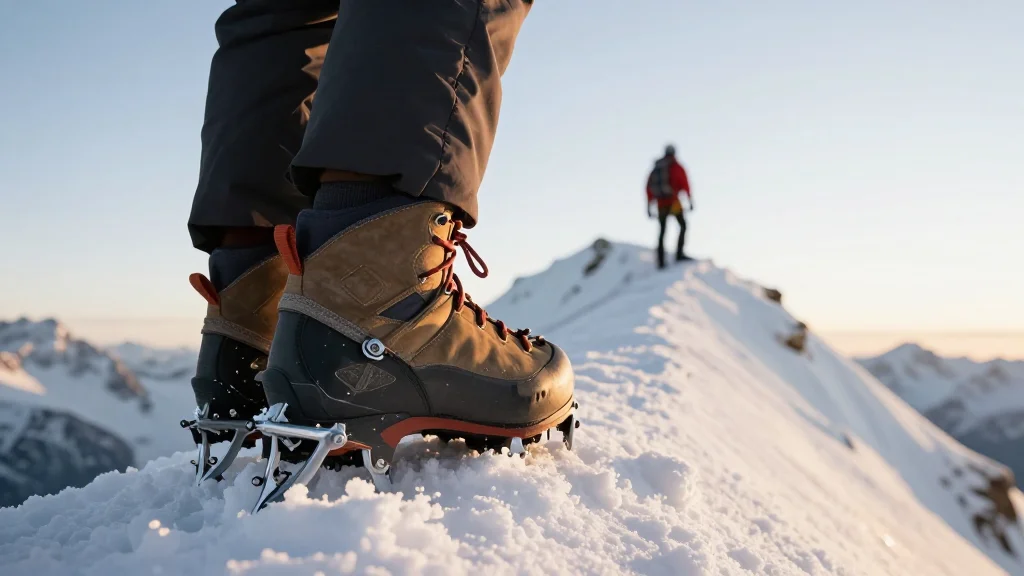
Concord Climber Tyler Andrews Breaks Everest Speed Record in Under 10 Hours

Why It Matters
Tyler Andrews’ record reshapes expectations for what is physically possible on the world’s highest peak, highlighting the impact of strategic decision‑making, cutting‑edge equipment, and professional support teams. By demonstrating that a sub‑10‑hour ascent is achievable with supplemental oxygen, the climb may spur a new wave of speed‑record attempts, influencing expedition economics, tourism policies, and safety protocols in the Himalayas. The achievement also underscores the growing legitimacy of speed‑climbing as a distinct discipline within high‑altitude mountaineering, prompting governing bodies, sponsors, and national tourism agencies to develop clearer standards and recognition pathways. As climbers chase ever‑faster times, the balance between risk, environmental impact, and commercial interest will become a central conversation in the outdoor community.
Key Takeaways
- •Tyler Andrews completed an oxygen‑assisted Everest ascent in 9h 55m 43s, beating the 2003 record by over an hour.
- •Previous record held by Lhakpa Gelu Sherpa at 10h 56m 46s; no‑oxygen record remains 22h 29m set by Marc Batard.
- •Andrews made seven attempts over two years, with five prior no‑oxygen attempts last year.
- •Asian Trekking, led by CEO Dawa Steven Sherpa, provided logistical support and equipment.
- •Fastest Known Time verified the record; Nepal’s tourism minister pledged expedited official recognition.
Pulse Analysis
Andrews’ breakthrough arrives at a moment when high‑altitude climbing is intersecting with data‑driven performance science. Historically, Everest ascents were measured in days, with speed records emerging only in the early 2000s. By compressing the timeline to under ten hours, Andrews not only redefines the upper limits of human endurance but also validates a model where supplemental oxygen is leveraged as a performance enhancer rather than a safety crutch. This paradigm shift could catalyze a bifurcation in the market: elite climbers pursuing ultra‑fast, oxygen‑assisted routes, and purists maintaining the traditional, no‑oxygen ethic.
From a commercial perspective, the record amplifies the visibility of support firms like Asian Trekking, positioning them as essential partners for future speed attempts. Sponsorship dollars are likely to flow toward athletes who can deliver headline‑grabbing times, while gear manufacturers may accelerate development of lighter, more efficient oxygen delivery systems. At the same time, Nepal’s tourism authorities, eager to capitalize on the publicity, may streamline permit processes for speed‑record expeditions, potentially raising concerns about environmental stewardship and crowd management on the mountain.
Looking forward, the tension between speed and safety will shape policy and practice. If subsequent attempts continue to shave minutes off ascent times, regulators may need to institute new safety standards, such as mandatory communication protocols or stricter weather windows. Andrews’ planned return to the no‑oxygen challenge will serve as a litmus test for whether the community can sustain both the pursuit of raw human achievement and the responsible stewardship of the world’s most iconic peaks.
Concord Climber Tyler Andrews Breaks Everest Speed Record in Under 10 Hours
Comments
Want to join the conversation?
Loading comments...