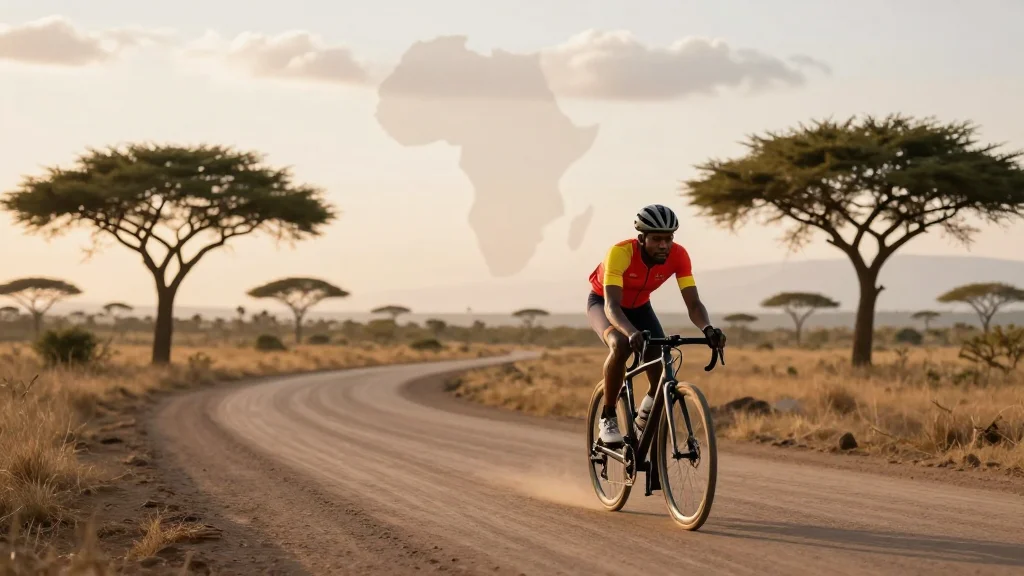
Congolese Cyclist Embarks on 14,000‑km Peace Ride Across 17 African Nations

Why It Matters
The peace ride illustrates how sport can become a vehicle for diplomatic outreach and regional cohesion in Africa, a continent often fragmented by historical tensions and uneven development. By threading together 17 nations on a single, high‑visibility route, the cyclist creates a narrative of shared experience that can soften borders and encourage cross‑cultural dialogue. Beyond the symbolic value, the expedition highlights untapped potential in Africa’s outdoor recreation market. Successful execution could spur investment in cycling infrastructure, from dedicated lanes in urban centres to rural trail maintenance, and position the continent as a destination for endurance tourism. This, in turn, could generate jobs, stimulate local economies and diversify tourism portfolios that have traditionally relied on wildlife safaris. The ride also sets a precedent for future athlete‑led initiatives that blend advocacy with adventure, offering a template for leveraging personal ambition to address broader societal goals.
Key Takeaways
- •Cyclist began a 14,000‑km ride on May 2, covering 17 African countries
- •The expedition is framed as a "peace ride" to promote unity and dialogue
- •Support crew will handle logistics, medical aid and media coordination
- •The ride could boost cycling tourism and infrastructure across the continent
- •Next major challenge: navigating complex border procedures in North‑East Africa
Pulse Analysis
The Congolese peace ride arrives at a pivotal moment for Africa’s outdoor economy. Historically, the continent’s adventure tourism narrative has been dominated by wildlife safaris and beach resorts, leaving endurance sports under‑represented. This expedition, however, leverages the growing global fascination with ultra‑distance events—think the Tour de France and the Trans‑America Trail—to showcase Africa’s diverse landscapes and cultural tapestry. By positioning a single athlete as a diplomatic envoy, the ride taps into soft‑power dynamics that traditional statecraft often overlooks.
From a market perspective, the ride could unlock a new revenue stream for equipment manufacturers and local businesses. Brands that supply high‑performance bicycles, apparel and nutrition may see a surge in demand as African cyclists aspire to emulate the feat. Moreover, governments along the route stand to benefit from increased footfall in remote areas, prompting investments in road safety, signage and hospitality services. If the cyclist’s story garners sustained media attention, it could attract international sponsors eager to associate with a narrative of peace and resilience, further professionalising the sport on the continent.
Looking ahead, the ride’s success will hinge on its ability to translate symbolic momentum into concrete infrastructure and policy changes. Stakeholders—tourism ministries, cycling federations and private investors—must collaborate to develop a coherent strategy that includes route mapping, safety standards and community engagement programs. Should these elements coalesce, the peace ride could become a catalyst for a broader renaissance in African outdoor recreation, positioning the continent as a premier destination for endurance athletes worldwide.
Congolese Cyclist Embarks on 14,000‑km Peace Ride Across 17 African Nations
Comments
Want to join the conversation?
Loading comments...