Day Two on the Bama to Baxter Hike
Key Takeaways
- •Completed 18 miles, total 41 miles on trail
- •Joined experienced hiker Scurvy, shared water resources
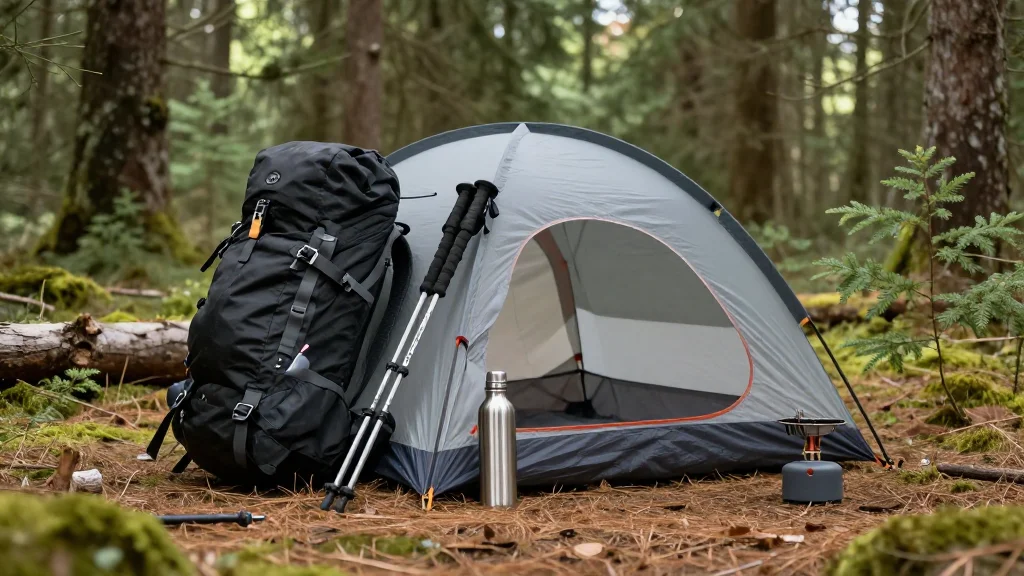
- •Lost trekking poles, retrieved them before woods segment
- •First night camped in tent, equipment performed well
- •Dizziness noted, but no severe health issues
Pulse Analysis
The Bama‑to‑Baxter corridor, a 2,600‑mile off‑road route that links the Gulf Coast with the Appalachian foothills, is attracting a growing cohort of endurance hikers. Day two of Jeff’s trek illustrates how cumulative mileage—18 miles added to a 41‑mile total—quickly transforms a weekend outing into a serious endurance challenge. Hikers must balance daily distance goals with terrain variability, weather shifts, and limited resupply points. As more adventurers attempt the full corridor, data on pace, rest days, and attrition rates become valuable benchmarks for the ultra‑long‑distance hiking community.
Equipment reliability emerged as a pivotal factor on Jeff’s second day. Forgetting trekking poles on the road segment forced an improvised solution, yet the timely hand‑off from a fellow hiker prevented a loss of stability once the trail entered the woods. Water logistics also proved critical; an unexpected water‑scarce stretch was mitigated by sharing supplies with the experienced hiker known as Scurvy. These interactions underscore the informal support networks that develop on remote trails, highlighting opportunities for gear manufacturers to design modular, easily transferable accessories.
The transition from hostel dormitory to solo tent camping marked a psychological and logistical milestone. Jeff reported smooth setup of his sleeping pad, bag, and stove, suggesting that modern lightweight systems are meeting the durability demands of extended backcountry use. However, mild dizziness signaled early fatigue, a reminder that nutrition, hydration, and pacing remain essential to prevent more serious health setbacks. For the outdoor industry, such real‑world feedback informs product development cycles, while trail managers can use these insights to improve signage and emergency response protocols along the Bama‑to‑Baxter route.
Day Two on the Bama to Baxter Hike
Comments
Want to join the conversation?