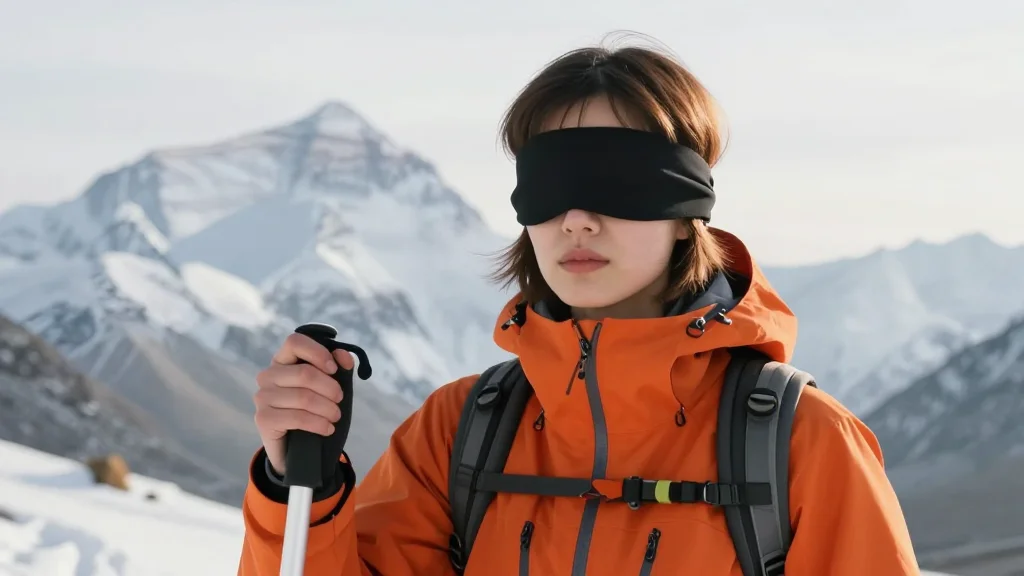
Deaf‑Blind Scientist Karolina Pakenaite Targets Everest Summit

Why It Matters
Karolina Pakenaite’s Everest attempt highlights how adaptive technology can transform the accessibility of high‑risk outdoor activities. By proving that tactile communication and haptic feedback can replace visual and auditory cues, the expedition could catalyze broader investment in inclusive gear, encouraging manufacturers to design products for a wider range of abilities. Moreover, her visibility as a deaf‑blind climber challenges prevailing narratives about who can participate in extreme sports, potentially influencing policy decisions around expedition permits and safety standards for climbers with disabilities. The climb also serves as a case study for interdisciplinary collaboration between academia and adventure sports. Pakenaite’s Pic2Tac system, originally a research prototype, is being field‑tested in one of the planet’s most unforgiving environments. Success would validate the practical utility of tactile‑image translation, opening doors for similar applications in navigation, education, and emergency response for visually impaired populations worldwide.
Key Takeaways
- •Karolina Pakenaite, 29, plans to summit Everest as the first deaf‑blind climber.
- •She completed a PhD at the University of Bath, developing the Pic2Tac tactile‑image system.
- •Previous ascents include Mera Peak, Mount Kenya, and Himlung Himal.
- •Expedition scheduled for the 2026 spring climbing window with a specialized Sherpa support team.
- •Success could accelerate adoption of tactile communication tools in the outdoor industry.
Pulse Analysis
Pakenaite’s Everest bid arrives at a moment when the outdoor sector is grappling with how to make adventure truly universal. Historically, high‑altitude mountaineering has been dominated by able‑bodied athletes, with adaptive attempts treated as outliers. The integration of tactile‑based navigation, however, signals a shift from accommodation to co‑creation: technology is being designed alongside the user, not merely retrofitted after the fact. This paradigm mirrors trends in other sectors, such as automotive and consumer electronics, where inclusive design has moved from niche to mainstream.
From a market perspective, the expedition could act as a catalyst for venture capital flowing into adaptive outdoor tech startups. Investors have already shown appetite for haptic wearables and AI‑driven accessibility solutions; a high‑profile success story would provide a tangible proof point, reducing perceived risk. Companies that partner with Pakenaite’s team or license her Pic2Tac methodology may gain early‑mover advantage, positioning themselves as leaders in a nascent but rapidly growing segment.
Looking ahead, the real test will be whether the tactile communication protocols prove reliable under Everest’s extreme conditions—sub‑zero temperatures, low oxygen, and high winds can degrade haptic feedback devices. If the team can demonstrate consistent performance, it will set a new benchmark for safety standards, prompting regulatory bodies to incorporate tactile signaling into official mountaineering guidelines. Even a partial success would generate valuable data, informing future adaptive expeditions and reinforcing the message that disability need not be a barrier to the planet’s most demanding challenges.
Deaf‑Blind Scientist Karolina Pakenaite Targets Everest Summit
Comments
Want to join the conversation?
Loading comments...