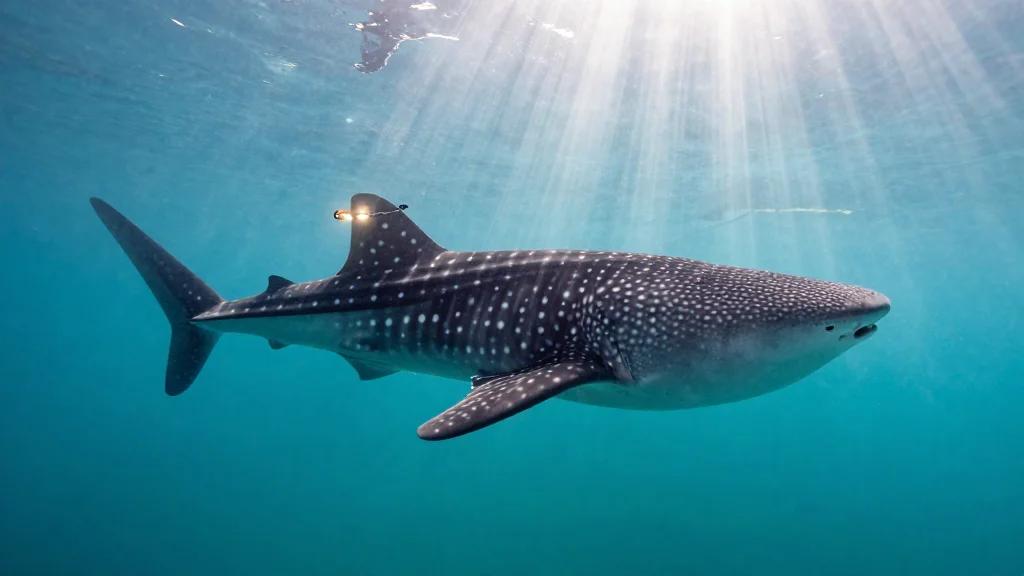
Decade-Long Whale Shark Study Triggers New Marine Protected Area in Indonesia

Why It Matters
The establishment of the new MPA represents a tangible win for marine biodiversity, protecting a keystone species whose presence signals healthy ecosystems. For outdoor enthusiasts—divers, snorkelers, and wildlife watchers—the protected waters promise safer, more reliable encounters with the world’s largest fish. Moreover, the initiative demonstrates how integrating fishers into scientific research can yield data that directly shape policy, offering a replicable blueprint for other regions facing similar conservation challenges. By safeguarding feeding grounds and a nursery, the MPA helps maintain the ecological balance that supports both marine life and the fisheries that local communities depend on. This dual benefit strengthens the case for expanding community‑driven marine protected areas across the Indo‑Pacific, where 60% of the global whale shark population resides.
Key Takeaways
- •10‑year satellite tagging study of >70 whale sharks
- •Collaboration with bagan fishers enabled safe tagging
- •Study revealed migration routes, feeding grounds and a nursery
- •Indonesian government created a new marine protected area in West Papua
- •MPA aims to protect whale sharks and support sustainable fisheries
Pulse Analysis
The whale‑shark MPA illustrates a shift from top‑down conservation mandates to data‑driven, stakeholder‑inclusive strategies. Historically, marine protected areas were often imposed without local input, leading to compliance gaps and economic friction. Here, the decade‑long dataset provided irrefutable evidence of critical habitats, while the involvement of bagan fishers built trust and operational feasibility. This synergy reduced tagging stress, ensured continuous data flow, and translated scientific insight into policy within months of publication.
Economically, the protected zone could catalyze a niche eco‑tourism market centered on whale‑shark sightings, mirroring successes in places like Ningaloo Reef, Australia. Revenue from guided tours, dive certifications, and related services can offset any short‑term fishing restrictions, creating a sustainable financial loop that incentivizes conservation. However, the long‑term viability hinges on robust enforcement and adaptive management as climate‑driven shifts alter prey distributions.
Looking ahead, the model may inspire similar initiatives across the Indo‑Pacific, where community‑based tagging could map habitats of other migratory megafauna such as manta rays and sea turtles. Scaling this approach will require investment in affordable satellite tags, capacity‑building for fishers, and streamlined data sharing between NGOs and governments. If replicated, the cumulative effect could dramatically expand protected seascapes, bolstering resilience against overfishing and warming oceans.
Decade-Long Whale Shark Study Triggers New Marine Protected Area in Indonesia
Comments
Want to join the conversation?
Loading comments...