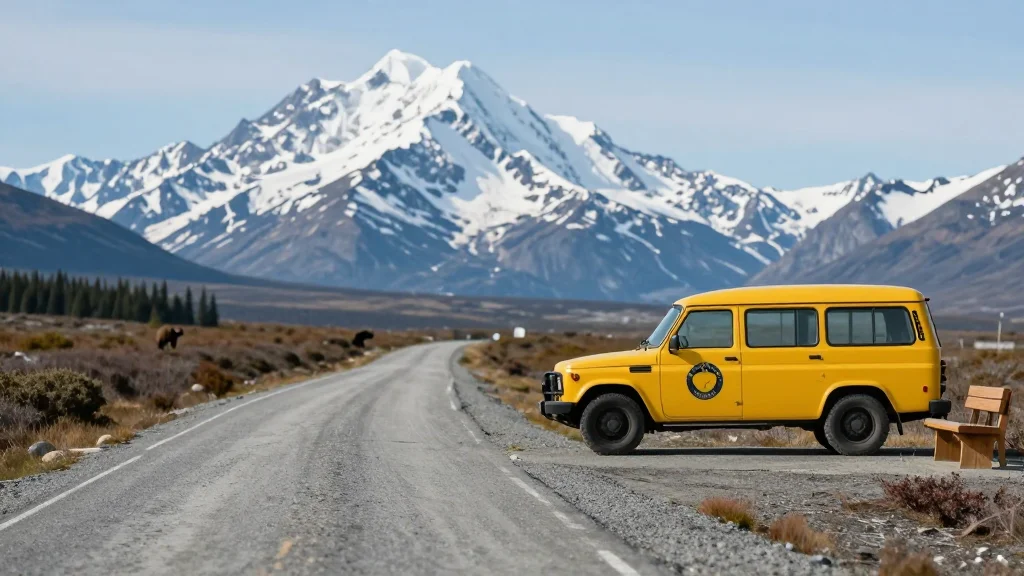
Denali National Park Road Reopens to Teklanika Rest Area, Restoring Central Access

Why It Matters
Restoring vehicle access to Mile 30 re‑opens a key segment of Denali’s 92‑mile Park Road, enabling tourists to experience the park’s iconic tundra and wildlife viewing opportunities without the need for lengthy hikes. The timing aligns with the early summer tourism window, potentially boosting local economies in nearby communities that depend on park visitation. However, the scheduled bear‑capture closure underscores the delicate balance between visitor access and wildlife management, highlighting the park’s commitment to both safety and conservation. The temporary closures and ongoing construction also illustrate the logistical challenges of maintaining infrastructure in a remote, high‑latitude environment. As climate patterns shift and visitor numbers grow, the National Park Service will need to adapt its operational strategies to preserve Denali’s natural values while accommodating public demand.
Key Takeaways
- •Denali Park Road opens to private vehicles up to Mile 30 (Teklanika Rest Area) on April 28
- •Temporary bear‑capture closure scheduled for May 11‑15 west of Teklanika River
- •Road remains open weather‑permitting through May 19; buses resume May 20 with access limited to Mile 15
- •Heavy equipment traffic continues for the Pretty Rocks bridge project; East Fork to Polychrome Overlook remains closed
- •Visitors advised to carry bear spray, secure food and monitor NPS website for real‑time updates
Pulse Analysis
Denali’s road reopening is more than a seasonal convenience; it signals a strategic push by the National Park Service to maximize visitor capacity during the narrow summer window. Historically, the Park Road has been the primary conduit for tourism, and each mile opened translates directly into increased ticket sales, lodging demand and ancillary spending in nearby towns such as Healy and Talkeetna. The decision to push the reopening to Mile 30, despite lingering mud and ice, reflects confidence in the park’s ability to manage risk while capitalizing on early‑season demand.
The bear‑capture operation, while temporarily limiting access, serves a dual purpose: it protects both humans and bears by ensuring tracking collars are functional, and it provides critical data for long‑term bear population management. This proactive wildlife management approach may become a template for other high‑traffic parks facing similar human‑wildlife conflict pressures. Moreover, the ongoing Pretty Rocks bridge project illustrates the park’s broader infrastructure modernization agenda, aimed at improving safety and resilience against climate‑induced wear.
Looking ahead, Denali’s management will need to balance the lure of increased visitation with the imperative to preserve its wilderness character. The park’s limited capacity for overnight camping west of the headquarters until May 20 suggests a cautious, phased approach to reopening. As climate variability introduces more unpredictable weather patterns, the NPS may need to adopt more flexible, real‑time road‑closure protocols, leveraging digital alerts and visitor education to maintain safety without sacrificing the park’s iconic accessibility.
Denali National Park Road Reopens to Teklanika Rest Area, Restoring Central Access
Comments
Want to join the conversation?
Loading comments...