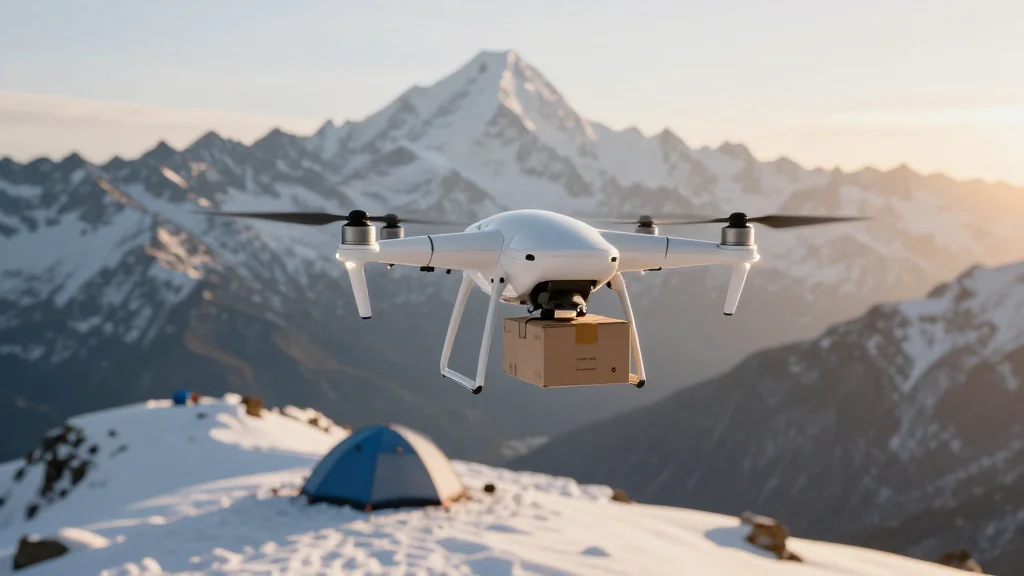
Drones Slash Everest Supply Trips to Minutes, Boosting Safety for Sherpas

Companies Mentioned
Why It Matters
The introduction of drones on Everest signals a broader shift toward technology‑driven safety in the outdoors sector. By removing the most dangerous leg of the supply chain from human shoulders, the risk of fatal accidents in the Khumbu Icefall—a historic hotspot for Sherpa fatalities—drops dramatically. This not only protects lives but also preserves the cultural heritage of Sherpa guiding, allowing the community to transition from labor‑intensive logistics to higher‑value services like client coordination and emergency response. Moreover, the environmental upside of drone‑enabled waste removal aligns with growing sustainability pressures on popular trekking corridors. For the wider outdoor industry, Everest’s drone program serves as a proof‑of‑concept for deploying autonomous logistics in extreme environments. Ski resorts, remote trail maintenance crews, and wildlife researchers could adopt similar platforms to deliver supplies, medical kits, or monitoring equipment where traditional transport is costly or unsafe. The success of this initiative may accelerate investment in rugged UAV technology, shaping the next generation of gear for adventurers and professionals alike.
Key Takeaways
- •Commercial drone deliveries on Everest reduce supply trips from 8‑10 to 4 per season
- •Six‑to‑seven‑hour icefall treks are now completed in about ten minutes
- •DJI’s FlyCart platform transports oxygen, food, and waste uphill and downhill
- •A single drone flight can replace the effort of more than a dozen Sherpa guides
- •Drone use is expected to expand to higher camps and other high‑risk peaks
Pulse Analysis
The Everest drone rollout is less a novelty than a strategic inflection point for high‑altitude logistics. Historically, Sherpa guides have shouldered the brunt of risk in the Khumbu Icefall, a bottleneck that has claimed dozens of lives. By offloading the most hazardous segment to autonomous aircraft, the industry mitigates its greatest liability, potentially lowering the cost of insurance and opening the market to less‑experienced operators who might have previously shied away from the route. This safety premium could translate into higher permit fees and a more diversified client base, reshaping the economics of Everest expeditions.
From a competitive standpoint, DJI’s early entry gives it a first‑mover advantage in a niche yet high‑visibility market. The company’s ability to demonstrate reliable performance at 6,000 m+ altitudes—where thin air, extreme cold, and unpredictable winds challenge conventional UAV designs—sets a benchmark for rivals. Expect to see a wave of specialized drone manufacturers targeting the mountaineering segment, each vying for contracts with local municipalities and expedition operators. The regulatory environment will become a critical battleground; clear, supportive policies could accelerate adoption, while restrictive airspace rules might stifle growth.
Looking ahead, the technology’s scalability will hinge on two factors: payload capacity and weather resilience. If drones can reliably carry larger loads and operate in monsoon‑season conditions, they could become indispensable for not only supply runs but also emergency evacuations. This would fundamentally alter rescue protocols, potentially reducing response times from hours to minutes. The ripple effect could extend to other remote outdoor venues—glacier research stations, alpine huts, and even offshore wind farms—where human access is limited. In sum, Everest’s drone program is a catalyst that could usher in a new era of autonomous, safety‑first operations across the entire outdoors ecosystem.
Drones Slash Everest Supply Trips to Minutes, Boosting Safety for Sherpas
Comments
Want to join the conversation?
Loading comments...