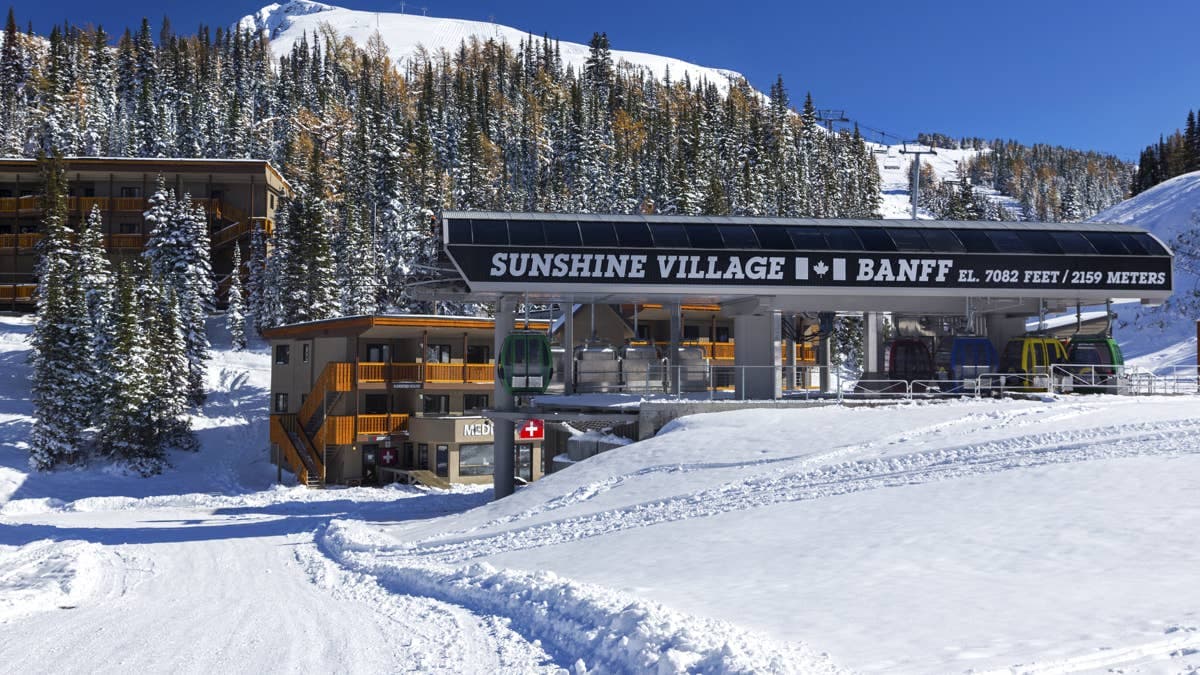
Dry Winter? Meanwhile, This Canadian Resort Is Flirting With Snow Records
Why It Matters
The snow surplus secures revenue and extends the ski season for Canadian resorts, highlighting their resilience amid climate‑driven deficits at U.S. ski destinations and reshaping regional tourism dynamics.
Key Takeaways
- •Sunshine Village recorded 33 feet of snow this season
- •Upper mountain depth reached 990 cm (389 inches), eight feet deep
- •Season includes fifth snowiest December and record March snowfall
- •All 12 lifts operate; over 100 trails remain open
- •US western resorts face deficits, highlighting Canadian snow resilience
Pulse Analysis
The 2025‑26 ski season has been a study in contrast. While Colorado, California and other western U.S. resorts grappled with below‑average snowfall and an early heat wave that forced early closures, Banff’s Sunshine Village in Alberta posted a staggering 33 feet of snow on its upper mountain, according to its snow‑water‑equivalent data. The resort logged 990 cm (389 inches) of snow, keeping the base eight feet deep and allowing all 12 lifts to run. This outperformance underscores the Canadian Rockies’ unique micro‑climate that continues to capture moisture from Pacific storms.
The snow surplus translates directly into economic upside. With more than 100 trails open and a season projected to run until May 18, Sunshine Village and neighboring Lake Louise are poised to attract spring‑skiers from the U.S. and Europe, bolstering lodging, lift‑ticket and ancillary revenues that have been eroded elsewhere. Industry analysts note that each additional week of operation can generate several million dollars in local income, reinforcing the region’s reputation as a reliable winter‑tourism engine even as climate variability threatens traditional U.S. ski basins.
Looking ahead, the divergent conditions raise strategic questions for investors and operators. Canadian resorts may see heightened demand for infrastructure upgrades, such as snow‑making and lift capacity, to capitalize on their natural advantage. Meanwhile, U.S. ski areas are accelerating diversification into year‑round activities to offset short‑falls. Climate scientists caution that the current pattern could be episodic, but the data from Sunshine Village provide a valuable benchmark for how high‑elevation, north‑facing terrain can mitigate warming trends. Stakeholders will watch these metrics closely as they shape the next decade of ski‑industry planning.
Dry Winter? Meanwhile, This Canadian Resort Is Flirting With Snow Records
Comments
Want to join the conversation?
Loading comments...