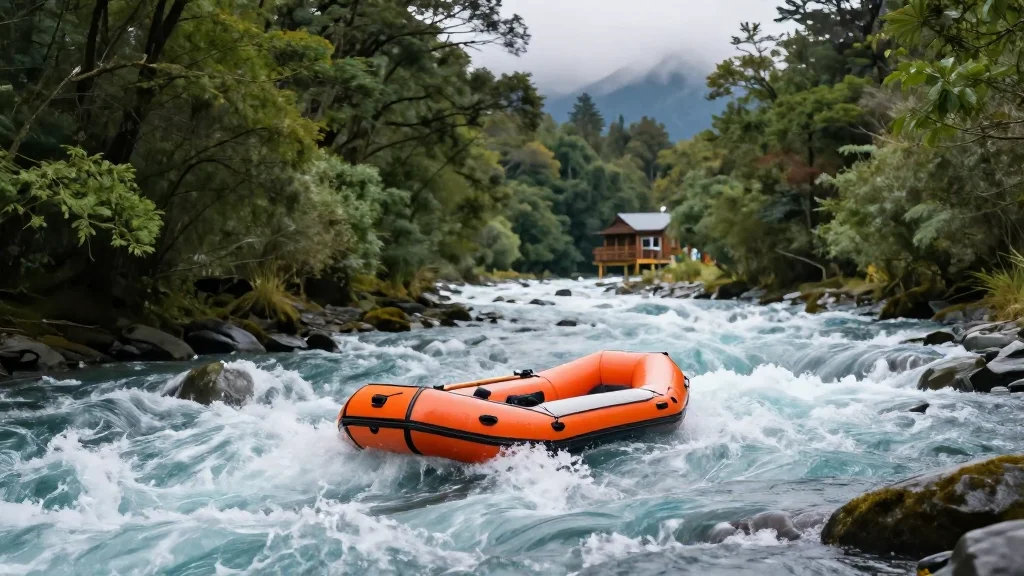
Earth River Expeditions Offers 62‑Mile Lodge‑to‑Lodge Rafting on Chile’s Futaleufú River

Why It Matters
The Futaleufú’s new protected status and the visibility of high‑end lodge‑to‑lodge rafting trips highlight a broader shift in adventure tourism toward sustainable, experience‑driven travel. By funneling tourists through remote lodges and local guides, the itinerary injects revenue into sparsely populated Patagonian communities while raising the profile of conservation efforts. At the same time, the influx of affluent adventure travelers can strain fragile ecosystems if not managed responsibly. The success of Earth River Expeditions’ model will depend on how effectively operators, regulators, and local stakeholders coordinate to limit environmental footprints while preserving the cultural fabric of the region.
Key Takeaways
- •Earth River Expeditions runs a 62‑mile (100 km) lodge‑to‑lodge rafting itinerary on the Futaleufú River
- •The river flows through Chile’s newly protected Valdivian temperate rainforest
- •Guides warn of Class V rapids that can flip rafts, requiring safety‑raft options
- •Local guide Nicolás “Nico” Luna emphasizes the remote, untouched nature of Patagonia
- •The trip combines extreme sport with stays in small, locally‑run lodges, supporting rural economies
Pulse Analysis
The Futaleufú expedition reflects a maturation of the adventure‑tourism market, where operators are no longer selling raw adrenaline but a curated narrative that intertwines wilderness, culture, and conservation. Earth River Expeditions’ bundled lodge‑to‑lodge package reduces logistical friction for travelers, a competitive advantage in a segment where convenience often trumps pure ruggedness. This model mirrors trends seen in other premium outdoor experiences, such as multi‑day trekking in the Himalayas or safari lodges in East Africa, where the value proposition hinges on seamless immersion.
From a market perspective, the protected‑river designation creates a double‑edged sword. On one hand, it provides a marketing hook that appeals to eco‑conscious travelers and justifies premium pricing. On the other, it imposes regulatory oversight that could limit the number of permits, influencing supply and potentially driving up costs. Operators that invest early in community partnerships—training local guides, sourcing food from nearby farms, and supporting infrastructure—stand to lock in goodwill and secure a stable operating environment.
Looking forward, the key risk lies in scaling without degrading the very assets that attract guests. If visitor numbers outpace the capacity of remote lodges and the river’s ecological thresholds, the Futaleufú could face the same over‑tourism pressures that have plagued other iconic destinations. Adaptive management, transparent reporting of environmental metrics, and a commitment to low‑impact practices will be essential for maintaining the balance between economic opportunity and preservation. Companies that embed these principles into their brand narrative will likely capture the next wave of high‑spending adventure tourists, while those that ignore them may see reputational backlash and tighter regulatory constraints.
Earth River Expeditions Offers 62‑Mile Lodge‑to‑Lodge Rafting on Chile’s Futaleufú River
Comments
Want to join the conversation?
Loading comments...