Companies Mentioned
Why It Matters
ANWR remains a critical stronghold for Arctic wildlife and Indigenous culture, while oil‑drilling proposals threaten its ecological integrity and the livelihoods of native communities.
Key Takeaways
- •Porcupine caribou herd ~300,000 animals observed in ANWR
- •Indigenous leader Sarah James opposes oil drilling in the 10‑2 coastal plain
- •ANWR spans 19.6 million acres, four times Yellowstone’s size
- •Summer solstice creates 24‑hour daylight, unique Arctic conditions
- •Wildlife sightings include wolves, grizzlies, Dall sheep, and thousands of caribou
Pulse Analysis
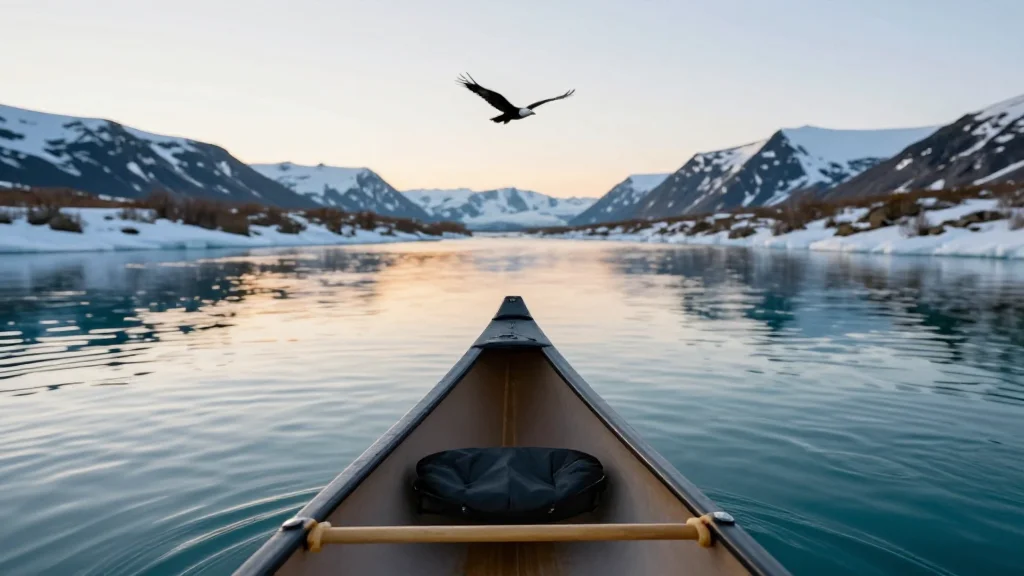
The Arctic National Wildlife Refuge, established in 1960 and expanded in 1980, now protects roughly 19.6 million acres of pristine tundra, mountains and coastal plain. Its designation as a "crown‑jewel" of the National Wildlife Refuge System reflects both its biodiversity and its symbolic value as a benchmark for wilderness preservation in the United States. The refuge’s sheer scale—four times larger than Yellowstone—makes it a critical habitat for migratory species, especially the Porcupine caribou herd, whose numbers have rebounded to around 300,000 after decades of decline.
Dan Flores’s on‑the‑ground account captures the unique sensory tapestry of an Arctic summer where the sun never sets. Under continuous daylight, his party observed thousands of caribou navigating willow‑laden riverbanks, wolves stalking Dall sheep, and the occasional glimpse of grizzlies. The experience mirrors historic bison migrations on the Great Plains, offering listeners a rare glimpse into a landscape that has remained largely untouched by modern development. Such vivid storytelling underscores the ecological richness of ANWR and the importance of preserving these keystone species and their predator‑prey dynamics.
Yet the refuge’s future is anything but certain. The 1.5‑million‑acre "10‑2" coastal plain remains earmarked for potential oil and gas extraction, a prospect that Indigenous leaders like Gwich’in elder Sarah James vehemently oppose. The debate pits economic interests against the cultural and environmental stakes of native communities, who view the caribou as central to their identity and subsistence. As climate change intensifies and energy demands grow, the ANWR controversy serves as a bellwether for how the United States balances conservation with resource development, making the stakes of this episode relevant far beyond the Alaskan wilderness.
Ep. 26: Where the Primeval West Abides
Comments
Want to join the conversation?
Loading comments...