Everest Route Opens for 2026 Spring Season, Triggering Record Climbing Permit Applications

Why It Matters
The reopening of Everest’s climbing route reshapes the global adventure‑travel market, positioning Nepal as the primary gateway for summit attempts. A surge in permit applications signals heightened demand for extreme experiences, which can drive investment in mountain‑region infrastructure, training, and safety standards. However, the influx also raises sustainability concerns; unmanaged waste and over‑crowding threaten the mountain’s fragile environment and the livelihoods of Sherpa communities that depend on regulated tourism. For the broader outdoors sector, Everest’s 2026 season serves as a bellwether for how high‑risk destinations balance commercial growth with ecological stewardship. The outcomes will inform policy decisions for other iconic sites, from Patagonia’s glaciers to the Himalayas’ lesser‑known peaks, as adventure seekers increasingly seek authentic, high‑stakes experiences.
Key Takeaways
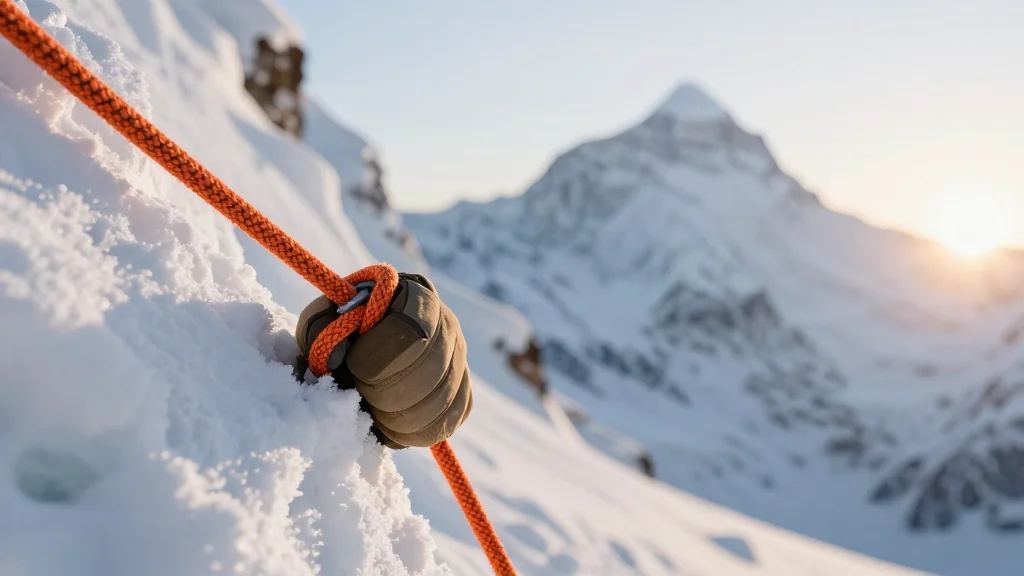
- •Route opened for 2026 spring season after rope‑fixing completed at 10:25 a.m. Wednesday
- •Eight ice‑fall doctors and 11 mountain guides secured the Khumbu Icefall and upper sections
- •Record‑high permit applications reported, surpassing previous spring seasons
- •SPCC and EOA‑Nepal led the preparation under the Ministry of Culture, Tourism and Civil Aviation
- •Potential economic boost for Nepal’s tourism sector alongside heightened environmental scrutiny
Pulse Analysis
Everest’s 2026 spring opening arrives at a crossroads of demand and responsibility. Historically, the mountain’s climbing season has been a barometer for Nepal’s tourism health; after the 2023 suspension, the 2026 reopening represents a rebound that could restore lost revenue and re‑energize the Sherpa guiding industry. Yet the scale of interest—evidenced by unprecedented permit applications—suggests that the market may be approaching a saturation point where safety and sustainability become limiting factors.
Comparatively, China’s north‑side routes have been modernizing with stricter quotas and higher fees, prompting many climbers to favor the Nepal side despite its logistical challenges. This competitive dynamic could cement Nepal’s advantage if it successfully implements robust waste‑management and safety protocols. Failure to do so, however, risks reputational damage and could trigger stricter international regulations, similar to those imposed on other over‑touristed natural sites.
Looking ahead, the season’s outcomes will likely influence policy across the high‑altitude adventure sector. A well‑managed, profitable season could set a template for integrating community‑benefit models with environmental safeguards, while a season marred by accidents or ecological fallout could accelerate calls for tighter controls. Stakeholders—from government ministries to expedition operators—must therefore treat the 2026 season not merely as a revenue opportunity but as a test case for sustainable adventure tourism in the Himalayas.
Everest Route Opens for 2026 Spring Season, Triggering Record Climbing Permit Applications
Comments
Want to join the conversation?
Loading comments...