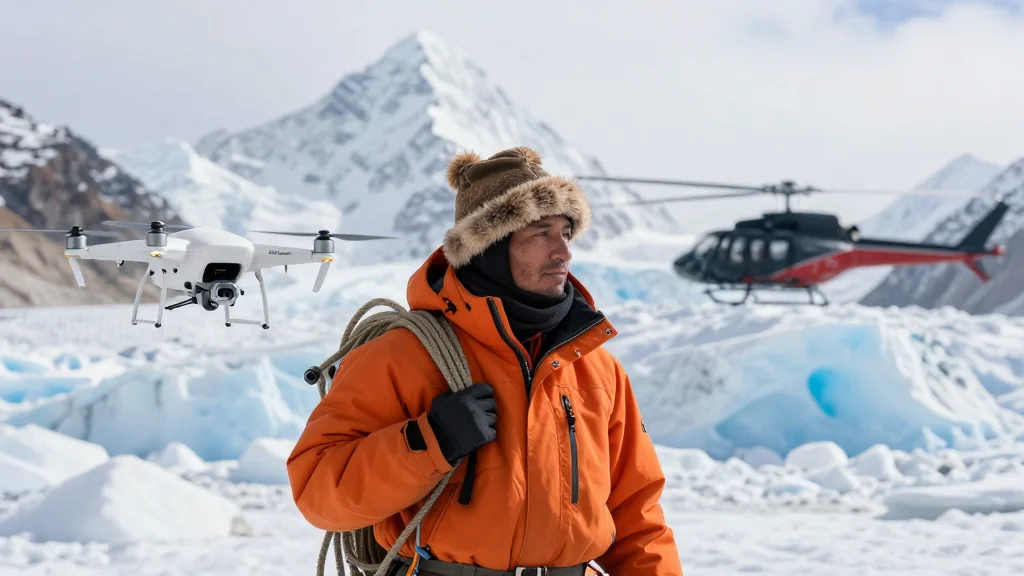
Everest Season Kicks Off with Hundreds of Sherpas, First Avalanche and Rescue

Why It Matters
The surge of Sherpas marks a critical economic boost for Nepal’s high‑altitude communities, whose livelihoods depend on the seasonal influx of climbers. At the same time, the early incidents highlight persistent safety challenges in the Khumbu Icefall, a notorious choke point that has claimed lives in past seasons. The pending approval of cargo drones and helicopters could reshape how gear and supplies are moved, potentially reducing exposure time for Sherpas and climbers alike, but also raises questions about regulatory oversight and environmental impact. If the logistical innovations prove effective, they may set a new standard for high‑altitude expeditions worldwide, balancing speed with safety. Conversely, delays in permissions could exacerbate bottlenecks, leading to overcrowding at lower camps and increasing the risk of accidents. The 2026 season therefore serves as a litmus test for how the industry adapts to both technological opportunities and the immutable hazards of the world’s highest peak.
Key Takeaways
- •Hundreds of Sherpas and porters moved through the Khumbu Icefall on May 1, 2026, marking the season’s start.
- •A Sherpa was rescued after falling into a deep crevasse; a small avalanche also occurred, with no injuries.
- •SPCC warned of significant serac risk beyond rockfall point (Section 4).
- •Ryan Waters confirmed Camp 2 staff are in place and Camp 3 preparation is underway.
- •Helicopter and drone cargo flights to Camp 2 have been requested but not yet approved.
Pulse Analysis
The 2026 Everest season illustrates a pivotal moment where traditional high‑altitude logistics intersect with emerging technology. Historically, Sherpa labor has been the backbone of summit attempts, but the reliance on human porters also exposes them to the icefall’s lethal hazards. The introduction of cargo drones—already tested in other remote mountain operations—offers a way to off‑load heavy gear without adding to the human traffic that congests the ladders and ropes. However, Nepal’s cautious regulatory stance reflects broader concerns about airspace safety, noise pollution, and the potential for accidents in a region where weather can change in minutes.
From a market perspective, expedition operators are under pressure to deliver a reliable schedule to paying clients while managing risk. The willingness of the Ministry to consider helicopter shuttles indicates a recognition that the industry’s economic stakes are high, yet the bureaucratic lag suggests a need for clearer policy pathways. Companies that can secure early permissions may gain a competitive edge, offering faster turnaround times and potentially lower costs for climbers.
Looking ahead, the season’s outcome will likely influence future policy. A smooth season with minimal incidents and successful drone deployments could accelerate regulatory approvals, encouraging a shift toward more mechanized support. Conversely, any major accident linked to increased traffic or rushed logistics could prompt stricter controls, reinforcing the status quo. Stakeholders—ranging from local Sherpa associations to international guiding firms—must therefore balance innovation with the timeless imperative of safety on the world’s most dangerous mountain.
Everest Season Kicks Off with Hundreds of Sherpas, First Avalanche and Rescue
Comments
Want to join the conversation?
Loading comments...