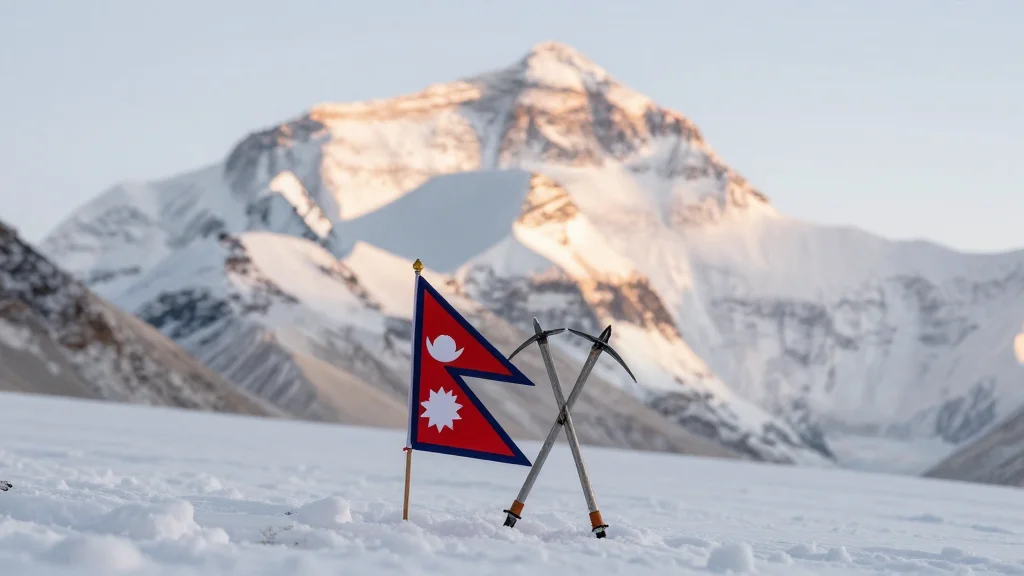
Everest Spring Season Sets Record with 492 Permits and $7.2 M in Royalties

Why It Matters
The record‑breaking Everest permit count signals a turning point for Nepal’s adventure‑tourism economy, delivering unprecedented royalty revenue that can fund community development and conservation. At the same time, the surge intensifies pressure on fragile mountain ecosystems, amplifying the need for robust management strategies that balance economic gains with environmental stewardship. How Nepal navigates this tension will shape the future of high‑altitude tourism worldwide. Moreover, the gender breakdown and the diversity of nationalities reflect a broader democratization of mountaineering, suggesting that future seasons may see even more inclusive participation. Policymakers must therefore consider safety standards, waste management, and equitable benefit sharing to sustain the sector’s growth without compromising the Himalayas’ natural heritage.
Key Takeaways
- •492 Everest climbing permits issued for spring 2026, a new record.
- •Royalties from Everest alone reached $7.19 million (NPR 1.07 bn).
- •Total royalties from all 30 peaks hit $8.34 million (NPR 1.24 bn).
- •Climbers represented 55 countries; the U.S. sent the largest national team (76).
- •Gender split across all peaks: 860 male, 274 female climbers.
Pulse Analysis
The 2026 spring season marks the most lucrative year for Nepal’s mountaineering sector since the royalty system was introduced. Historically, Everest permits have been the primary revenue driver, but the latest figures show a diversification of demand across secondary peaks like Lhotse and Ama Dablam. This suggests that the market is maturing; climbers are seeking alternative routes to avoid Everest’s notorious bottlenecks while still capitalizing on the Himalayas’ brand.
From a competitive standpoint, Nepal’s ability to monetize permits through a royalty framework gives it a fiscal edge over neighboring countries such as Pakistan and Tajikistan, which rely more heavily on indirect tourism taxes. However, the upside is counterbalanced by rising operational costs for rescue and waste management, which have escalated in line with permit volumes. If the government does not recalibrate its pricing or introduce caps, the cost of emergency services could erode net gains, and the environmental footprint could trigger stricter international scrutiny.
Looking forward, the sector’s trajectory will hinge on policy agility. Introducing tiered royalties that reflect peak difficulty, seasonal demand, and environmental impact could align incentives for both climbers and conservationists. Additionally, promoting lesser‑known peaks through targeted marketing could disperse traffic, reduce ecological strain on Everest, and unlock new revenue streams for remote communities. The decisions made in the coming months will determine whether Nepal can sustain its record‑breaking growth while preserving the very mountains that fuel its tourism engine.
Everest Spring Season Sets Record with 492 Permits and $7.2 M in Royalties
Comments
Want to join the conversation?
Loading comments...