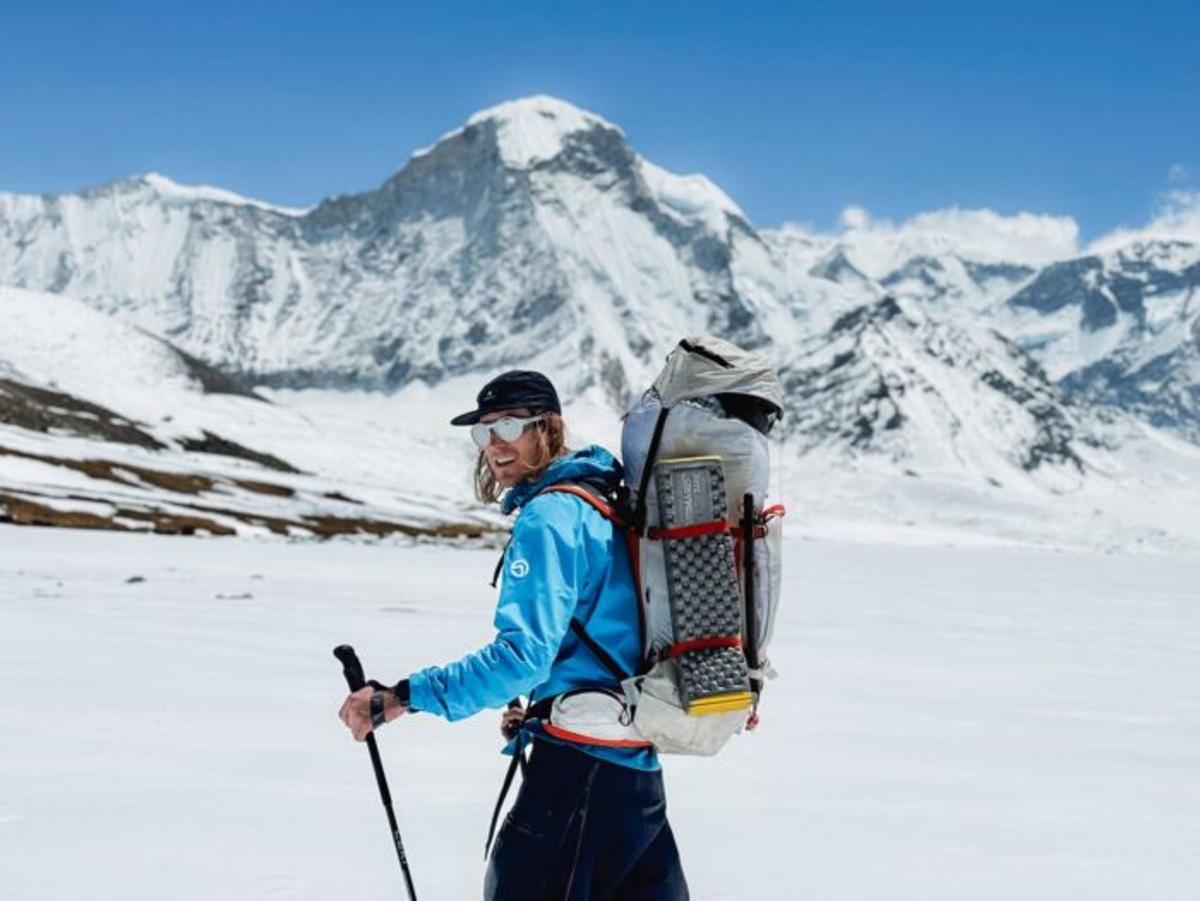
Extreme Skier to Attempt No-Oxygen Climb and Ski Descent of Lhotse
Why It Matters
A successful no‑oxygen Lhotse ski would push the limits of high‑altitude mountaineering and elevate the commercial appeal of extreme adventure tourism. It also underscores the growing demand for self‑reliant, record‑setting expeditions in the Himalayas.
Key Takeaways
- •Ziemski aims to summit and ski Lhotse without supplemental oxygen.
- •The 8,516‑meter climb shares the route with Everest up to Camp 4.
- •He previously skied down Broad Peak, Gasherbrum II, Annapurna, Dhaulagiri, Kangchenjunga.
- •No Sherpa support; Ziemski will rely on self‑rescue skills.
- •First solo, no‑oxygen Lhotse ski attempt since 2018 pioneers.
Pulse Analysis
Extreme skiing on 8,000‑meter peaks has evolved from a niche pursuit into a high‑profile segment of adventure sports. Bartek Ziemski’s résumé—spanning successful descents of Broad Peak, Gasherbrum II, Annapurna, Dhaulagiri, Kangchenjunga and Manaslu—places him among a select cadre of athletes capable of tackling the world’s loftiest walls on skis. His upcoming Lhotse project builds on a legacy that began with Jim Morrison and Hilaree Nelson’s 2018 oxygen‑aided run, highlighting how each new ascent reshapes the sport’s technical and physiological benchmarks.
Climbing Lhotse without supplemental oxygen intensifies every aspect of the expedition. Above 8,000 m, the thin air reduces aerobic capacity, demanding meticulous acclimatization and razor‑sharp decision‑making. Ziemski’s self‑reliant approach—eschewing Sherpa guides and relying on personal rescue techniques—adds a layer of risk that few have attempted. The shared route with Everest up to Camp 4 also means navigating crowded corridors, where traffic delays can jeopardize oxygen‑free ascents. Mastery of route‑finding, avalanche assessment, and high‑altitude ski technique will be critical to a safe descent.
Beyond the personal triumph, Ziemski’s venture carries broader industry implications. Successful high‑altitude, no‑oxygen ski descents attract premium sponsorships, streaming rights, and tourism interest, fueling a market where brands seek authentic, boundary‑pushing narratives. Media coverage amplifies the allure of self‑sufficient expeditions, encouraging a new wave of climbers to pursue minimalist, record‑focused objectives. As adventure tourism rebounds post‑pandemic, feats like Ziemski’s Lhotse attempt could catalyze increased investment in high‑altitude guiding services, specialized equipment, and safety innovations, reshaping the economics of Himalayan exploration.
Extreme Skier to Attempt No-Oxygen Climb and Ski Descent of Lhotse
Comments
Want to join the conversation?
Loading comments...