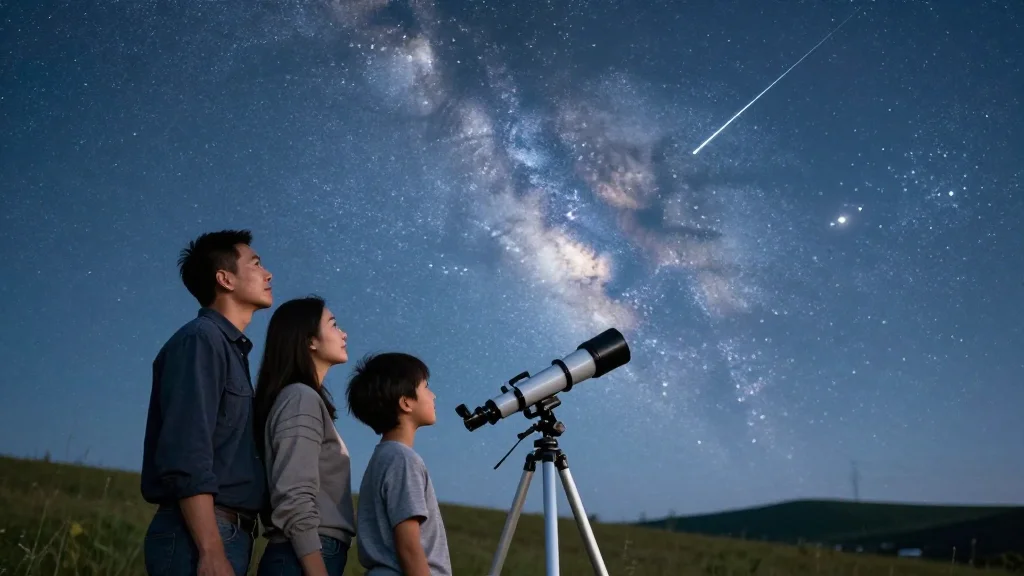
Family‑Focused Space‑Themed Trips Sparked by Artemis II Anticipation

Why It Matters
The rise of space‑themed travel signals a convergence of outdoor recreation and STEM education, offering families a pathway to engage with science outside the classroom. By anchoring trips around astronomical sites and NASA facilities, the industry is diversifying its product mix and attracting a new segment of adventure seekers who prioritize learning as part of their outdoor pursuits. This trend could boost visitation to dark‑sky reserves and observatories, providing critical funding for conservation and public‑outreach programs. Moreover, the emphasis on family‑friendly programming aligns with broader demographic shifts toward multigenerational travel. As younger travelers seek purpose‑driven experiences, operators that can blend physical activity, night‑time sky observation and hands‑on science are likely to capture higher loyalty and repeat business, reshaping the outdoor tourism market for years to come.
Key Takeaways
- •Eight new family‑focused space‑themed itineraries launched, inspired by Artemis II.
- •Kennedy Space Center Visitor Complex offers live astronaut talks and a spacewalk simulation.
- •North York Moors Dark Skies Fringe Festival provides dark‑sky stargazing during UK autumn half‑term.
- •Pic du Midi Observatory and Tenerife’s Teide solar observatory combine cabin stays with telescope access.
- •Jantar Mantar in Jaipur and Manchester’s Lovell Telescope add historic and radio‑astronomy experiences.
Pulse Analysis
The rollout of space‑themed vacations reflects a strategic pivot by outdoor tour operators toward content that leverages high‑profile scientific milestones. Historically, major space events—such as the Apollo landings—have spurred temporary spikes in museum attendance and themed merchandise. This time, the effect is more distributed, reaching regional dark‑sky parks and observatories that previously catered to niche audiences. By packaging these sites with conventional outdoor activities, operators are creating a hybrid product that mitigates the seasonal volatility of pure stargazing trips.
From a competitive standpoint, the early movers who secure partnerships with NASA‑affiliated venues and UNESCO‑listed sites will likely dominate the emerging niche. Their ability to offer exclusive access—such as the Astronaut Training Experience Center—creates a differentiation point that generic adventure travel brands cannot easily replicate. However, the model also introduces logistical challenges, including coordinating with scientific institutions that have limited visitor capacity and aligning travel dates with optimal astronomical conditions.
Looking ahead, the sustainability of this trend will depend on the continued public fascination with Artemis II and subsequent missions. If the Artemis program maintains its visibility, we can expect a cascade of related offerings, from lunar‑themed camps to orbital‑simulation experiences. Conversely, a dip in media attention could compress the market back to traditional outdoor pursuits. Operators that embed flexible educational components—like virtual reality briefings—will be better positioned to weather fluctuations in mission‑related hype while still delivering compelling outdoor experiences.
Family‑Focused Space‑Themed Trips Sparked by Artemis II Anticipation
Comments
Want to join the conversation?
Loading comments...