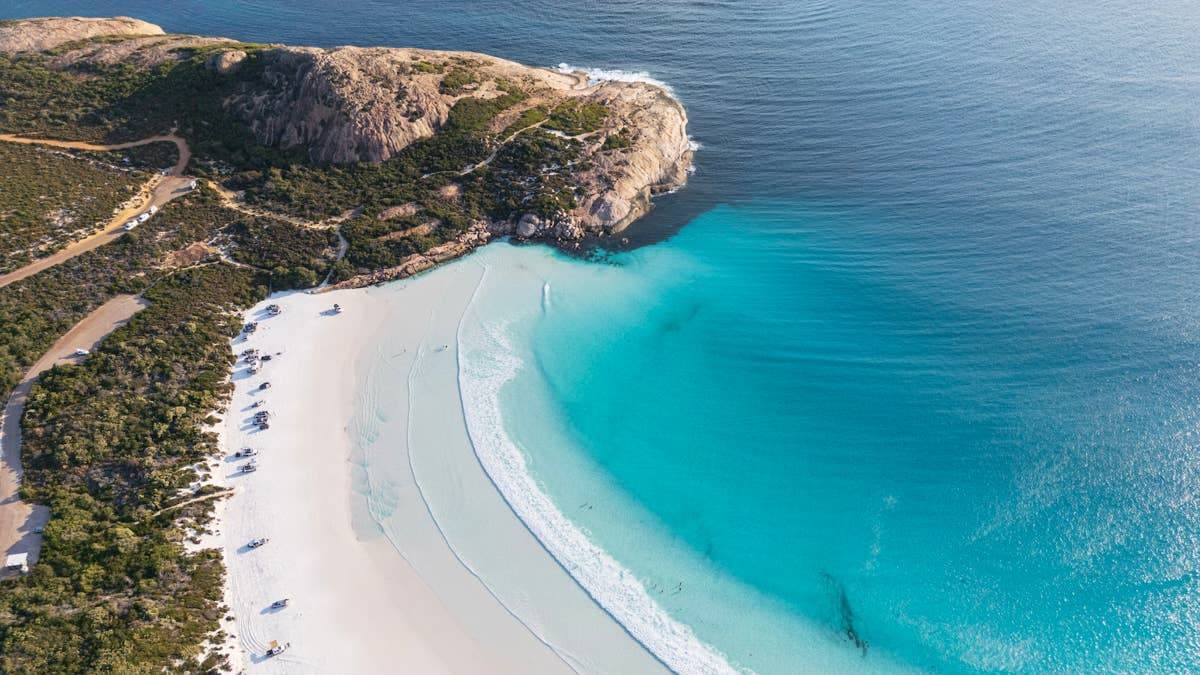
Fatal Shark Attack Site Named One of World's Best Beaches
Why It Matters
The incident highlights how a single tragic event can tarnish a beach’s reputation and affect regional tourism revenue, prompting stricter safety protocols.
Key Takeaways
- •Wharton Beach ranked #3 on 2026 world’s best beaches list
- •March 2025 shark attack killed New Zealand surfer Steven Payne
- •Drone footage captured attack; withheld from public release
- •Incident may deter tourists, impacting Western Australia’s beach economy
- •Authorities face pressure to improve shark safety measures
Pulse Analysis
The annual "World’s Best Beaches" ranking has become a powerful marketing tool for coastal destinations, driving visitor traffic and influencing travel itineraries. In the 2026 edition, Entalula Beach in the Philippines claimed the top spot, while Wharton Beach in Western Australia secured a coveted third place. Both locations boast crystal‑clear water and pristine sand, qualities that attract surf enthusiasts, photographers, and luxury travelers alike. However, the prestige of a high ranking can quickly be eclipsed when safety incidents surface, as the recent tragedy at Wharton demonstrates.
In March 2025, 37‑year‑old New Zealand surfer Steven Payne was fatally mauled by a shark while riding a wave at Wharton Beach. A bystander on shore witnessed the attack, and a drone hovering nearby recorded the event, though authorities have kept the graphic footage out of public view. While shark encounters are relatively rare—Australia averages about 10 fatal attacks per decade—their sudden nature can generate intense media coverage and heighten perceived risk among potential visitors. The incident also reignites debate over the balance between marine conservation and public safety.
The fallout from the Wharton Beach attack is already being felt by the Shire of Esperance, which relies heavily on tourism revenue from beachgoers and surf schools. Local officials are expected to review existing shark‑spotting programs, increase patrols, and consider deploying additional deterrent technologies such as aerial drones and acoustic devices. For the broader tourism industry, the episode serves as a reminder that destination branding must be paired with transparent safety protocols. Travelers increasingly seek real‑time risk information, and destinations that can demonstrate proactive measures are likely to retain their competitive edge.
Fatal Shark Attack Site Named One of World's Best Beaches
Comments
Want to join the conversation?
Loading comments...