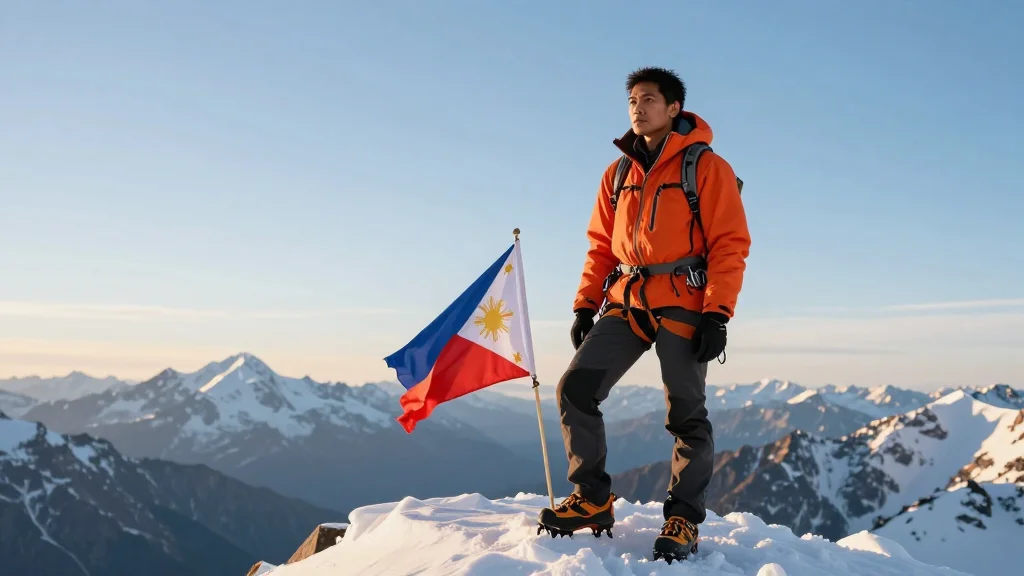
Filipino Mountaineer Miguel Mapalad Conquers Europe’s Highest Peak, Mt Elbrus

Why It Matters
Mapalad’s summit underscores the Philippines’ emergence as a serious contender in high‑altitude mountaineering, challenging the perception that tropical nations lack a foothold in elite climbing. His visibility can inspire a new generation of Filipino adventurers, potentially expanding the domestic market for climbing gear, guided expeditions and high‑altitude training programs. Additionally, his advocacy for trail development and waste management highlights how individual achievements can catalyze community‑level environmental initiatives, reinforcing the link between outdoor recreation and sustainable development. The achievement also feeds into the global Seven Summits narrative, where each new national representative adds cultural diversity and broadens the appeal of these iconic challenges. As more climbers from under‑represented regions join the ranks, sponsors and tourism boards may see fresh opportunities to market expeditions, diversify their client base, and invest in safety and conservation measures across the world’s most demanding mountains.
Key Takeaways
- •Miguel Angelo Mapalad summited Mt Elbrus’s 5,642 m western peak on May 22, 2026.
- •The climb follows his May 18, 2025 Everest summit, where he became the 10th Filipino to reach the top.
- •Mapalad has now completed seven summits of Africa’s Mt Kilimanjaro and multiple Asian peaks.
- •He founded the Pacific Coast Trail in Aurora to connect isolated Filipino communities.
- •His next goal is to finish the Philippine 14 Peaks Expedition by tackling the remaining 8,000‑meter mountains.
Pulse Analysis
Mapalad’s ascent reflects a broader democratization of high‑altitude mountaineering, where athletes from non‑traditional climbing nations are increasingly visible on the world stage. Historically, the Seven Summits have been dominated by climbers from Europe, North America and Australasia, partly due to access to funding, training facilities and established guiding networks. The Philippines’ recent surge—spurred by climbers like Mapalad—suggests that targeted community initiatives, sponsorships and a growing domestic adventure culture can bridge that gap.
From an industry perspective, this shift could reshape the outdoor market in Southeast Asia. Retailers may see heightened demand for technical apparel, lightweight gear and altitude‑training services tailored to tropical climbers preparing for cold‑weather expeditions. Moreover, the narrative of a Filipino climber achieving global milestones offers a compelling marketing hook for tourism boards seeking to attract adventure travelers to the Philippines’ own rugged landscapes, from the Cordilleras to the volcanic peaks of Luzon.
Looking forward, the sustainability dimension of Mapalad’s work will likely gain traction. His involvement with the Sagarmatha Pollution Control Committee and the Pacific Coast Trail illustrates how elite athletes can leverage their platforms to address environmental degradation on popular climbing routes. As the outdoor sector grapples with overtourism and waste, such athlete‑led advocacy may become a critical component of corporate responsibility strategies, influencing everything from gear manufacturers to expedition operators.
Filipino Mountaineer Miguel Mapalad Conquers Europe’s Highest Peak, Mt Elbrus
Comments
Want to join the conversation?
Loading comments...