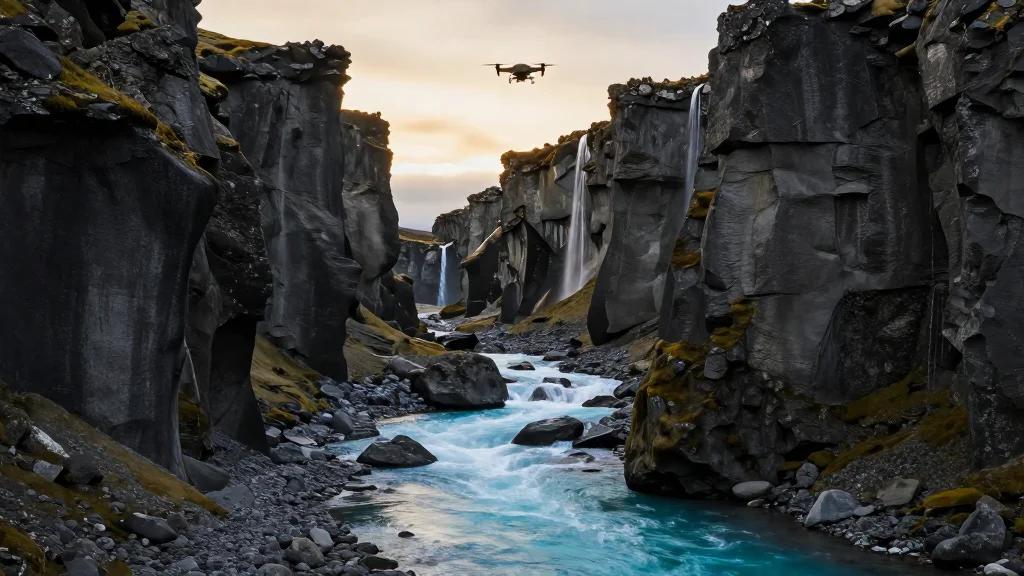
Filmmaker’s Five‑Second Drone Clip Unveils Iceland’s Hidden Canyon

Why It Matters
The release of a concise, high‑impact visual of an undiscovered Icelandic canyon underscores the growing role of short‑form media in shaping outdoor travel narratives. When a single clip can convey the grandeur of a remote landscape, it lowers the barrier for casual viewers to consider adventure travel, potentially diversifying tourism flows beyond over‑visited hotspots. At the same time, the filmmaker’s emphasis on preparation, equipment resilience, and environmental respect highlights the responsibility that comes with increased visibility of fragile ecosystems. For the broader outdoors community, the video serves as a case study in how emerging drone technology and storytelling techniques can unlock new storytelling possibilities. It also raises questions about how tourism boards and conservation groups will manage the balance between promoting hidden gems and protecting them from the impacts of sudden interest.
Key Takeaways
- •Five‑second drone clip reveals a previously little‑known canyon in Iceland’s Highlands
- •Canyon features basalt cliffs, a turquoise river and dozens of waterfalls
- •Filmmaker used a low‑angle “reveal” technique to create immersive motion
- •Harsh highland winds required constant monitoring of drone performance
- •Creator plans longer footage and a guide to responsibly access the site
Pulse Analysis
The emergence of ultra‑short, high‑definition footage as a catalyst for adventure tourism reflects a shift in how destinations are marketed. Traditional travel journalism relied on lengthy articles and photo essays; today, a five‑second clip can generate curiosity comparable to a full‑page spread. This democratization of visual storytelling lowers production costs and expands the pool of creators who can influence travel decisions.
Historically, Iceland’s tourism boom was driven by iconic sites like the Blue Lagoon and the Golden Circle. As those locations become saturated, the industry is turning to lesser‑known terrains to sustain growth. The filmmaker’s approach—combining technical precision with a narrative of rugged exploration—offers a template for future content that can both attract visitors and educate them about the logistical and environmental challenges of remote travel.
Looking ahead, the key will be aligning this media‑driven interest with robust stewardship frameworks. If tourism agencies can harness the excitement generated by such clips while enforcing visitor caps, trail maintenance, and conservation funding, the net effect could be a more sustainable model for remote destination development. The balance between exposure and preservation will define whether these hidden landscapes remain pristine or become the next over‑touristed hotspots.
Filmmaker’s Five‑Second Drone Clip Unveils Iceland’s Hidden Canyon
Comments
Want to join the conversation?
Loading comments...