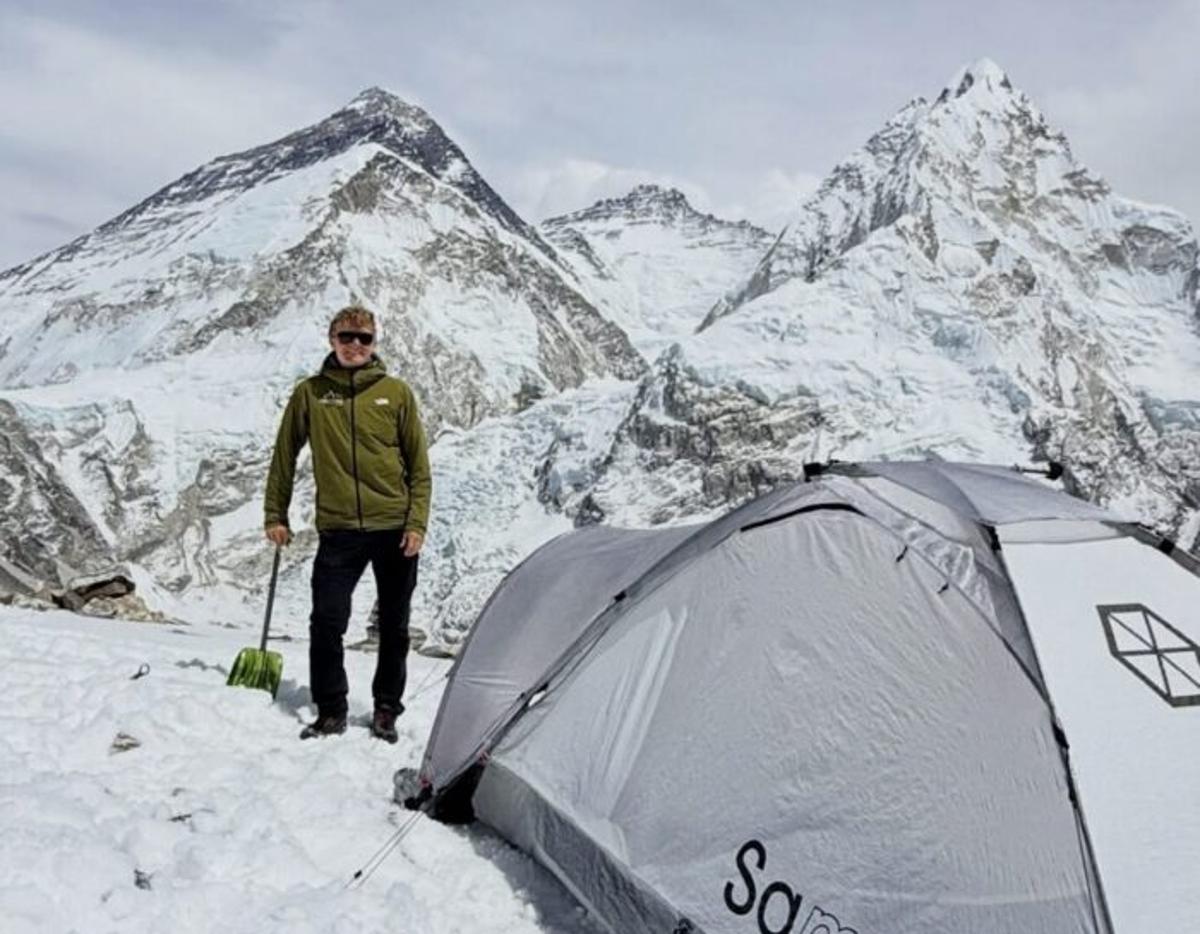
First Climbers Arrive at Everest, While One Man Cycles There on a Vintage Bike
Why It Matters
The surge in oxygen‑free attempts signals a shift toward ultra‑high‑risk mountaineering, reshaping expedition economics and safety protocols on the world’s most iconic peak.
Key Takeaways
- •73 international permits issued for 2026 Everest season.
- •Two Americans aim summit without oxygen, using prior acclimatization climbs.
- •Norwegian record‑holder Kristin Harila targets Triple Crown without supplemental O₂.
- •Polish cyclist Lucas plans solo, no‑Sherpa ascent on vintage bike.
- •Icefall Doctors face delays from jet‑stream winds and snowfall.
Pulse Analysis
Everest’s 2026 campaign reflects a growing appetite for extreme, oxygen‑free ascents, a trend driven by both seasoned alpinists and social‑media influencers. The permit count—73 this year—underscores a robust market, yet the logistical bottleneck created by the Icefall Doctors’ weather‑related delays highlights the fragile infrastructure supporting high‑altitude tourism. As climbers like Mitchell and Sackett push physiological limits, operators must balance demand with safety, revisiting rope‑fixing schedules and emergency oxygen reserves.
The season’s narrative is further colored by outlier ventures that capture public imagination. Kristin Harila’s pursuit of the Triple Crown without supplemental oxygen builds on her record‑breaking 2023 feat, positioning her as a benchmark for speed and endurance. Meanwhile, Lucas Extreme’s audacious plan—cycling from sea level to the Khumbu Valley on a 1970s Wigry 3 folding bike—reimagines the Everest approach, stripping away traditional Sherpa support and base‑camp comforts. Though his $19,000 budget and minimalist gear raise questions about feasibility, the story taps into a nostalgic, do‑it‑yourself ethos that resonates with adventure‑seeking audiences.
These high‑profile attempts have broader implications for the mountaineering industry. Increased demand for ultra‑light, low‑cost expeditions pressures local economies in Nepal, where permits, liaison officers, and rope‑fixing fees constitute vital revenue streams. At the same time, the rise in oxygen‑free climbs amplifies risk, prompting calls for stricter regulation and enhanced rescue capabilities. Stakeholders—from guiding companies to tourism boards—must navigate the tension between catering to thrill‑seekers and preserving the safety and sustainability of the world’s highest mountain.
First Climbers Arrive at Everest, While One Man Cycles There on a Vintage Bike
Comments
Want to join the conversation?
Loading comments...