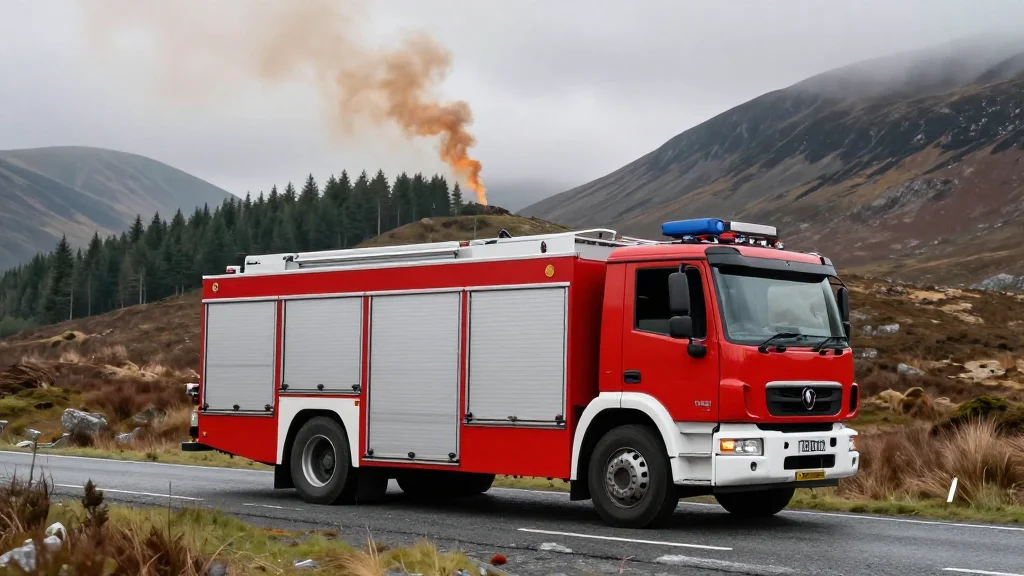
Five-Mile Wildfire Engulfs Assynt, Scotland; Crews and Estate Staff Battle Flames

Why It Matters
The Assynt wildfire highlights how climate‑induced dryness is turning Scotland’s highlands into a new frontier for wildfire risk, challenging long‑standing assumptions about fire safety in the UK. For the outdoor community, the blaze threatens access to beloved hiking routes and could deter tourism if similar events become frequent. Moreover, the incident forces land managers and policymakers to balance the economic benefits of outdoor recreation with the need for stricter fire‑prevention measures, potentially reshaping regulations around campfires, barbecues, and land‑use practices. The emergency response also reveals gaps in resources for remote areas, where professional fire crews are few and rely heavily on local estate staff. Strengthening community‑based fire‑fighting capacity and improving early‑warning systems could become a priority for the Scottish government as it seeks to protect both the environment and a growing outdoor economy.
Key Takeaways
- •Five‑mile‑long wildfire near Fionn Loch in Assynt sparked emergency response.
- •Three fire appliances and estate staff using leafblowers were deployed.
- •Extreme wildfire risk declared for western Scotland; very high risk for central/eastern regions.
- •Deputy Assistant Chief Officer Kenny Barbour warned of severe damage to property, landscapes, and wildlife.
- •Public urged to avoid lighting outdoor fires and to report any blaze immediately.
Pulse Analysis
Scotland’s highland wildfires are moving from a historical rarity to a seasonal expectation, driven by hotter, drier summers linked to climate change. The Assynt incident is emblematic of this shift: a fire that could have been contained quickly in a wetter era now stretched four to five miles, demanding a coordinated response that blended professional fire services with local estate labor. This hybrid model, while effective in the short term, signals a looming capacity shortfall as fire seasons lengthen.
From a market perspective, the outdoor recreation sector—valued at billions of pounds and a cornerstone of Scotland’s tourism strategy—faces a paradox. The same natural beauty that draws hikers, cyclists, and campers also becomes vulnerable to fire damage, potentially curbing visitor numbers and affecting local economies. Operators may need to invest in fire‑risk education, enforce stricter campsite rules, and possibly purchase insurance premiums that reflect heightened danger.
Policy implications are equally stark. The Scottish government’s current wildfire framework, largely reactive, may need to evolve into a proactive, landscape‑scale approach. This could involve expanding prescribed‑burn programs, increasing funding for remote fire‑fighting assets, and integrating real‑time weather analytics into public alerts. As the Assynt fire demonstrates, community involvement is vital, but without systemic support, reliance on ad‑hoc tools like leafblowers will be insufficient. The next few years will likely see a push for legislative reforms that embed fire resilience into land‑management contracts and outdoor‑activity licensing, ensuring Scotland’s wild spaces remain both accessible and safe.
In sum, the Assynt blaze is a microcosm of a broader transformation: climate‑driven wildfire risk reshaping the outdoors, demanding coordinated action across emergency services, landowners, tourists, and policymakers to protect Scotland’s iconic landscapes for future generations.
Five-Mile Wildfire Engulfs Assynt, Scotland; Crews and Estate Staff Battle Flames
Comments
Want to join the conversation?
Loading comments...