Four Years After Full Circle Everest, Philip Henderson Continues to Tell His Story
Companies Mentioned
Why It Matters
The initiative tackles two industry pain points: lack of diversity in outdoor leadership and mounting waste from discarded gear, offering a replicable model for inclusive, sustainable growth.
Key Takeaways
- •Henderson tours schools sharing Full Circle Everest story to inspire Black youth
- •Seven Black climbers reached Everest summit in 2022, a historic milestone
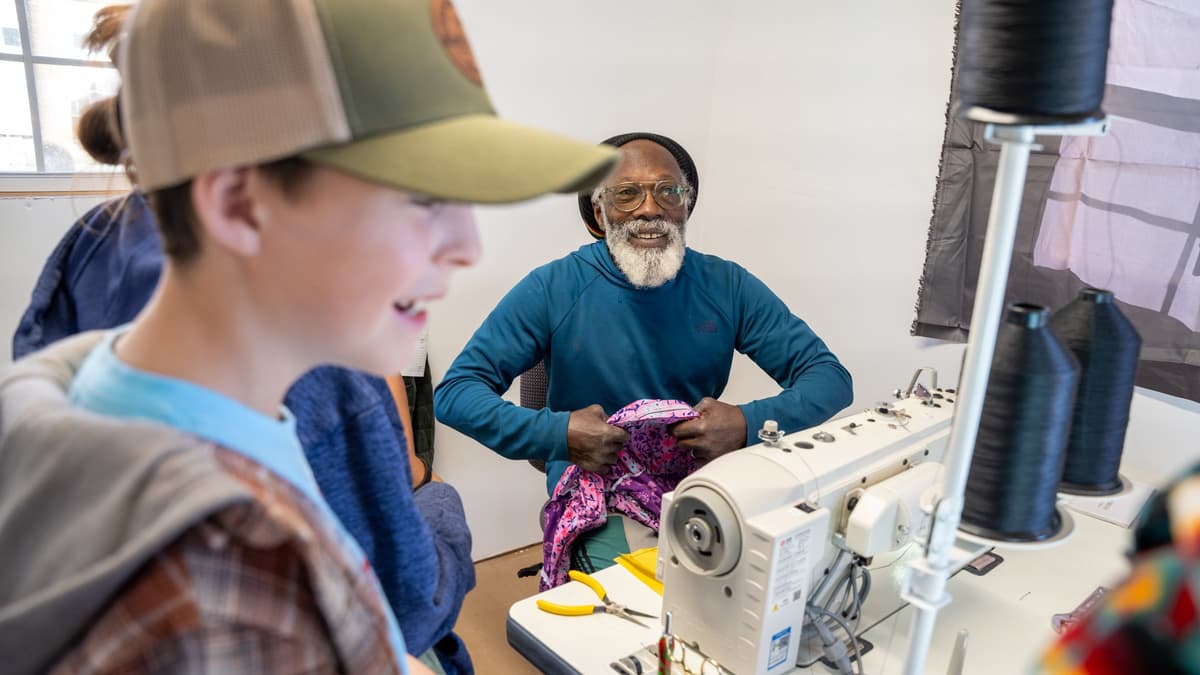
- •He launched Full Circle Rural Gear Repair, upcycling gear for nonprofits
- •LOR Foundation grant funded workshop with industrial sewing and heat‑press equipment
- •Mentorship program aims to teach gear repair skills and sustainable practices
Pulse Analysis
The outdoor sector has long grappled with a glaring diversity gap; Black climbers number fewer than a dozen in the mountain’s 8,000‑plus summit history. Full Circle Everest shattered that narrative by placing seven Black athletes on the world’s highest peak, generating unprecedented media coverage and prompting industry leaders to reassess inclusion strategies. Henderson’s decision to keep the conversation alive through school tours leverages the power of representation—young people who see a Black guide on Everest are more likely to envision themselves in similar roles, expanding the future talent pool for adventure tourism and guiding services.
Beyond storytelling, Henderson’s grassroots outreach translates into tangible community impact. By bringing summit suits, tents and glacier photos into classrooms, he demystifies high‑altitude mountaineering and connects it to everyday aspirations. This hands‑on approach resonates especially in predominantly Black neighborhoods where outdoor experiences are scarce, fostering early interest that can evolve into lifelong participation. For outdoor brands, such engagement creates authentic brand ambassadors and opens new market segments, reinforcing the business case for diversity‑focused programming.
Sustainability rounds out Henderson’s dual mission. Full Circle Rural Gear Repair repurposes discarded backpacks and tents, diverting waste from landfills while supplying cost‑effective equipment to nonprofits. The LOR Foundation’s grant enabled a fully equipped workshop, positioning the venture for scalable mentorship that teaches practical repair techniques—skills that reduce consumer spending on new gear and lower the industry’s carbon footprint. As climate concerns intensify, upcycling initiatives like this offer a compelling blueprint for outdoor companies seeking to align profit with environmental stewardship.
Four Years After Full Circle Everest, Philip Henderson Continues to Tell His Story
Comments
Want to join the conversation?
Loading comments...