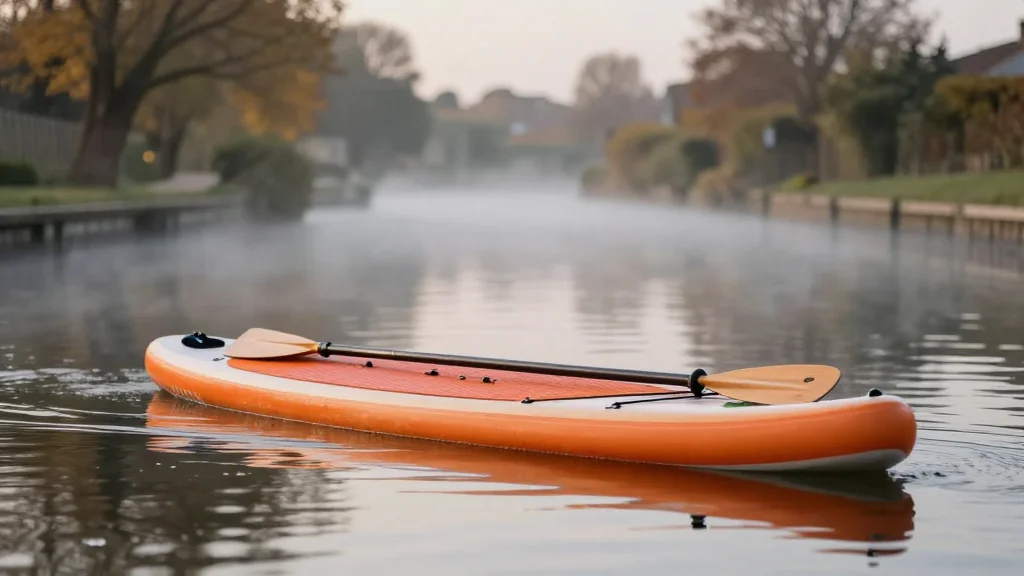
Freelance Writer Natasha Sones Tackles 162‑Mile Paddleboard Coast‑to‑Coast Challenge

Companies Mentioned
Why It Matters
Natasha Sones' coast‑to‑coast paddleboard challenge underscores a broader shift in the outdoors sector toward solo, endurance‑focused adventures that double as platforms for environmental advocacy. By linking a personal feat with fundraising for the Canal & River Trust and Surfers Against Sewage, the expedition demonstrates how individual athletes can mobilize public attention and resources for waterway conservation. The visibility of the trek also highlights the growing accessibility of stand‑up paddleboarding, encouraging more participants to explore inland waterways and potentially boosting tourism and local economies along the route. Moreover, the challenge brings to light the logistical complexities of navigating historic canal infrastructure—91 locks, narrow tunnels and variable weather—offering valuable data for outdoor safety guidelines and equipment design. As climate change intensifies concerns over water quality and habitat protection, high‑profile events like Sones' can catalyze policy discussions and community action, reinforcing the role of outdoor recreation in broader environmental stewardship.
Key Takeaways
- •Natasha Sones will paddle 162 miles from Liverpool to Goole in a 10‑day solo challenge.
- •The route includes 91 locks, the 21‑lock Wigan flight and Bingley's Five Rise Staircase.
- •She aims to raise funds for the Canal & River Trust and Surfers Against Sewage.
- •Sones is the 13th person and first woman to attempt the Coast‑to‑Coast Canoe Trail on a paddleboard.
- •The trek highlights waterway conservation issues such as plastic pollution and invasive species.
Pulse Analysis
Sones' undertaking arrives at a moment when the outdoor industry is capitalising on the surge in stand‑up paddleboarding (SUP) sales, which have grown double‑digit percentages year‑over‑year in the UK. Her high‑visibility, charity‑driven narrative taps into a consumer appetite for purpose‑led adventure, a trend that brands are increasingly courting through sponsorships and co‑branded campaigns. Historically, long‑distance water challenges have been dominated by rowing or kayaking; Sones' use of a SUP signals a democratisation of equipment—lighter, cheaper and more approachable for novices—potentially expanding the market base.
From a competitive standpoint, the challenge also puts pressure on traditional canal tourism operators to adapt. As solo paddlers seek bespoke experiences, there is an emerging niche for lock‑by‑lock support services, portable nutrition packs and weather‑proof gear tailored to SUP endurance events. Companies that can provide integrated logistics—dry‑bag storage, lock‑pass facilitation, and real‑time tracking—stand to capture a new revenue stream.
Looking ahead, the success of Sones' campaign could inspire a series of similar coast‑to‑coast SUP challenges, each aligned with different environmental causes. This model creates a virtuous cycle: increased participation drives awareness, which fuels fundraising, which in turn funds conservation projects that preserve the very waterways that attract adventurers. For policymakers, the visibility of such events offers a compelling case for investing in canal maintenance and water quality upgrades, reinforcing the economic and social value of the UK's inland water network.
Freelance Writer Natasha Sones Tackles 162‑Mile Paddleboard Coast‑to‑Coast Challenge
Comments
Want to join the conversation?
Loading comments...