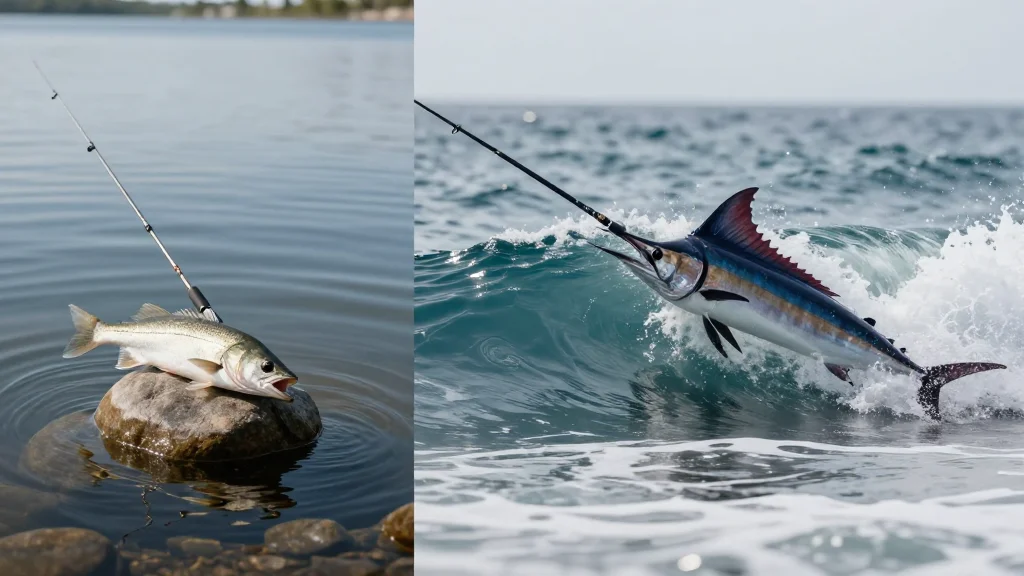
Why It Matters
The split shapes consumer spending on gear, licenses, and tourism, influencing retail strategies and coastal economies. Recognizing the nuances enables targeted marketing and product development for each segment.
Key Takeaways
- •Freshwater fishing uses lighter gear, lower cost.
- •Saltwater fishing demands corrosion‑resistant, heavy-duty equipment.
- •Species size varies: trout versus tuna.
- •Ocean conditions require tide and navigation knowledge.
- •Saltwater gear needs thorough rinsing after each use.
Pulse Analysis
Fishing remains one of the most widely practiced outdoor hobbies in the United States, supporting a $45 billion industry that includes tackle sales, guide services, and travel spending. The distinction between freshwater and saltwater angling shapes where consumers spend that money, as lakes and rivers attract day‑trip anglers while oceans drive charter boats, coastal resorts, and premium equipment purchases. Understanding the environmental variables—calm inland waters versus tidal, wave‑ridden seas—helps businesses target marketing messages to the right audience and allocate resources efficiently. State parks and wildlife agencies also benefit from increased participation, as licensing fees and conservation programs are directly tied to angler numbers.
Gear manufacturers tailor product lines to these two segments. Freshwater setups typically emphasize lightweight rods, simple reels, and budget‑friendly lures, allowing retailers to offer entry‑level kits at modest margins. In contrast, saltwater collections demand corrosion‑resistant materials, high‑strength components, and larger line capacities, which command premium pricing and longer product lifecycles. Retailers that educate buyers on proper post‑trip rinsing and maintenance can reduce warranty claims while building brand loyalty among serious offshore anglers. Additionally, the rise of online tutorials and subscription box services has created new distribution channels, enabling manufacturers to reach niche segments more efficiently.
From a consumer perspective, the choice between freshwater and saltwater fishing influences skill development, budget planning, and long‑term engagement. Beginners often start in calm lakes to master casting and bait selection before graduating to the more complex ocean environment that requires tide tables, navigation skills, and larger financial commitments. Emerging trends such as smart rods, mobile catch‑logging apps, and sustainable catch‑and‑release practices are blurring the line, offering anglers data‑driven experiences regardless of water type. As climate change reshapes fish migration patterns, both freshwater and saltwater sectors must adapt, prompting investment in adaptive management and real‑time monitoring technologies.
Freshwater vs Saltwater Fishing: Key Differences Explained
Comments
Want to join the conversation?
Loading comments...