Frigid and Firing: Was the East Coast the Best Place to Surf This Winter?
•March 6, 2026
0
Why It Matters
These extreme conditions reshaped surf tourism, boosted cold‑water gear sales, and highlighted vulnerabilities in coastal infrastructure during severe weather events.
Key Takeaways
- •East Coast surf temps dropped to 31°F in February.
- •La Niña and negative Arctic Oscillation drove cold front.
- •Storms produced double‑overhead swells, rare for region.
- •Power outages affected 600,000 residents during February storm.
- •Surf tourism shifted to colder, less crowded conditions.
Pulse Analysis
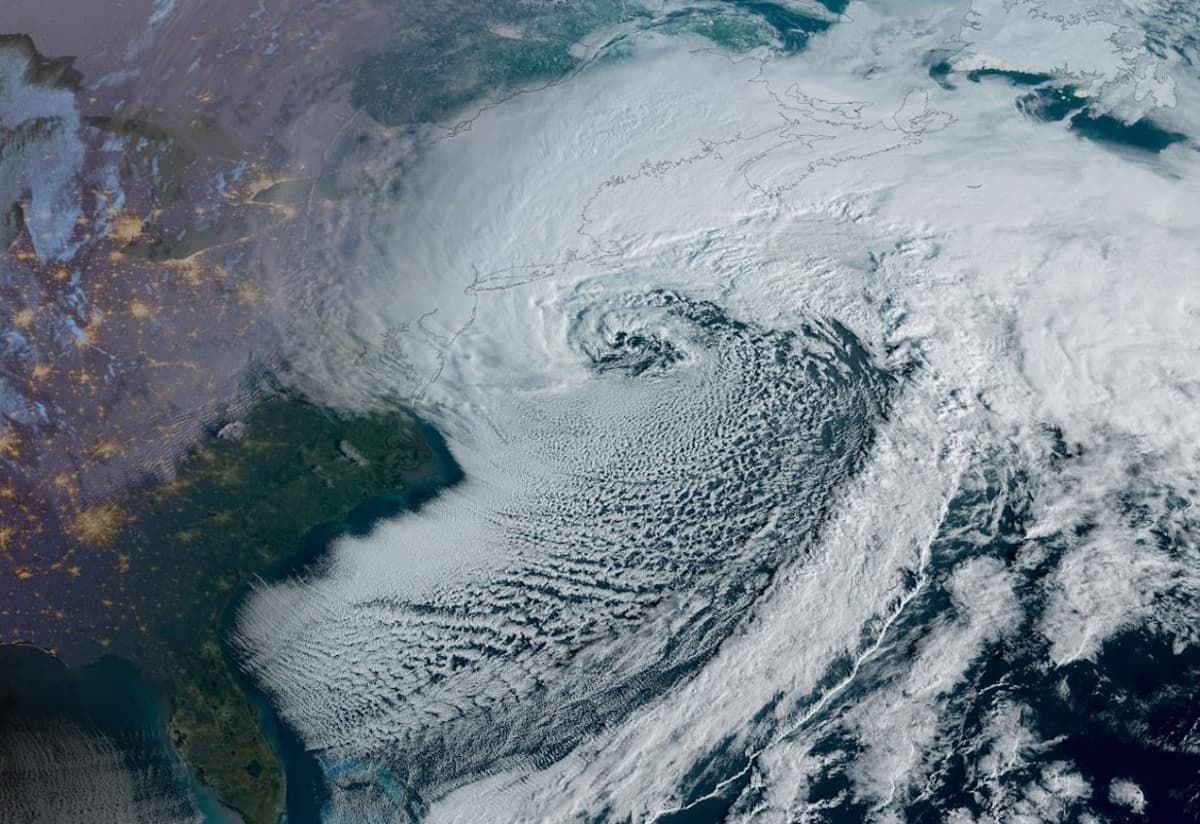
The 2026 East Coast winter was driven by a perfect storm of climate signals. La Niña reinforced high pressure over the Pacific while a negative Arctic Oscillation opened a deep trough over the Atlantic, allowing the polar vortex to plunge far south. This rare atmospheric setup produced sub‑zero air and water temperatures, with Barnegat Inlet, NJ recording 31°F, and generated powerful easterly swells that created double‑overhead barrels—conditions typically reserved for tropical winter breaks. The confluence of these factors made the season a case study in how large‑scale oscillations can reshape regional surf dynamics.
For the surf industry, the cold snap sparked a surge in demand for high‑performance wetsuits, booties, and accessories designed for sub‑zero water. Local surf shops along New Jersey and the Outer Banks reported inventory turnovers up to 40% compared with the previous year. Meanwhile, the reduced crowds due to wind chills lowered typical beach congestion, but the extreme weather also caused widespread power outages affecting 600,000 customers and damaged coastal properties, underscoring the economic risk of severe winter storms on tourism‑dependent communities.
Looking ahead, March’s clash of warm and cold air masses may extend the surf window, but the lingering low sea temperatures suggest that cold‑water gear will remain essential. The event also raises broader questions about climate resilience as similar patterns could recur under a changing climate. Stakeholders—from surf manufacturers to municipal planners—must consider adaptive strategies, such as reinforced coastal infrastructure and diversified tourism offerings, to mitigate the financial impact of future anomalous winter surf seasons.
Frigid and Firing: Was the East Coast the Best Place to Surf This Winter?
0
Comments
Want to join the conversation?
Loading comments...