Why It Matters
The series taps a profitable niche in the endurance‑sport market by catering to older athletes seeking meaningful challenges, while its volunteer‑driven model demonstrates a sustainable approach to event operations.
Key Takeaways
- •100‑mile race offers 48‑hour cutoff, far beyond typical ultra limits
- •Participants include 100‑mile veteran Mark Tanaka and post‑heart‑surgery runner
- •Volunteers often stay 48 hours, creating a family‑like support network
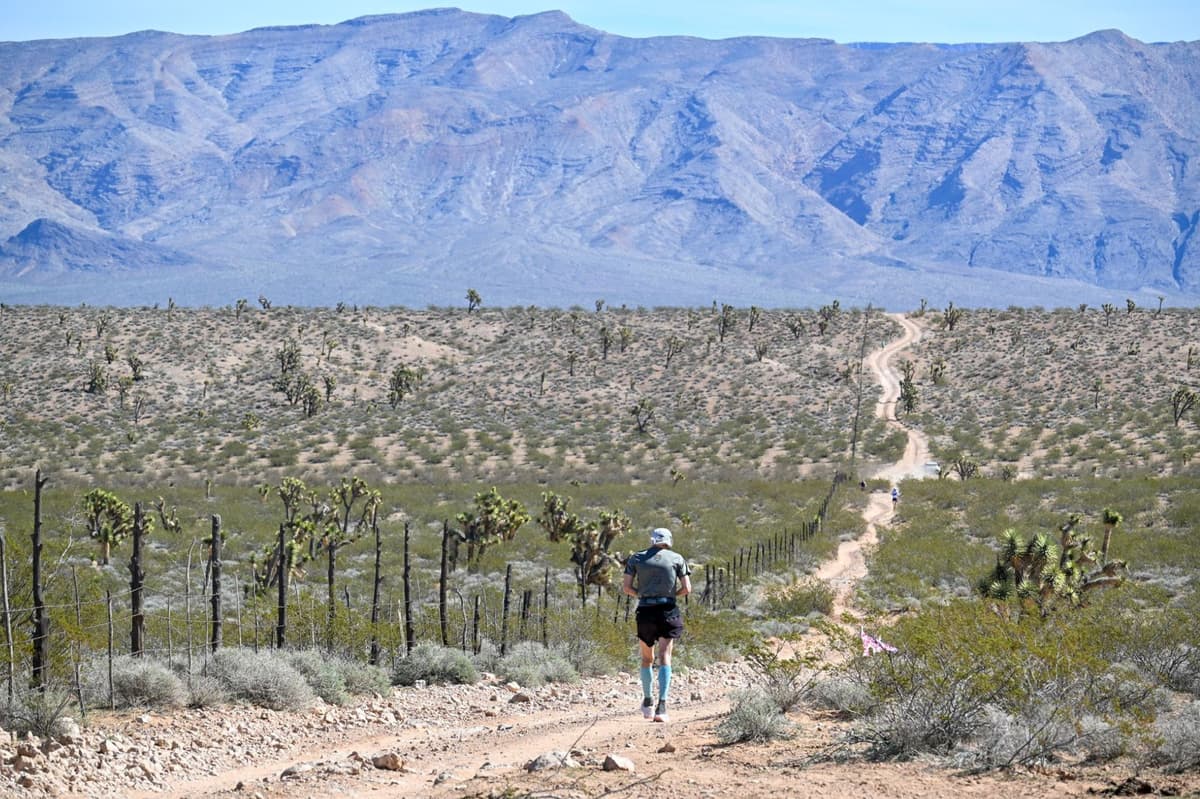
- •Desert course mixes rocky climbs, sand, and sunrise light shows
- •Founder directors aim to prove “Old is Cool” in endurance sport
Pulse Analysis
Ultra‑running has exploded over the past decade, but the surge has largely been driven by younger athletes chasing speed records. As the sport matures, a sizable segment of seasoned runners—many in their 50s, 60s, and beyond—are seeking events that honor endurance over velocity. Demographic data shows that the U.S. population over 50 is projected to reach 115 million by 2030, representing a lucrative market for organizers willing to tailor experiences to this age group. Grandmaster Ultras taps that trend by offering distances that challenge stamina while removing the pressure of tight cut‑offs, thereby aligning with the values of older athletes who prioritize completion and community.
The race’s design reflects a deep understanding of its participants. Cut‑off windows stretch to 48 hours for the 100‑mile distance, a stark contrast to the 24‑hour limits common in mainstream ultras. This generosity reduces the risk of medical emergencies and allows runners to manage nutrition, sleep, and pacing more safely. Moreover, the event’s reliance on a core volunteer crew—many of whom stay on site for the full 48 hours—creates a familial atmosphere that enhances participant satisfaction and drives repeat attendance. From a business perspective, such loyalty translates into stable revenue streams, lower marketing costs, and attractive sponsorship opportunities for brands targeting health‑conscious, affluent older consumers.
Looking ahead, Grandmaster Ultras could serve as a blueprint for other endurance disciplines seeking to capture the aging athlete market. Race directors might replicate the generous timing model, community‑first ethos, and desert‑scape branding to differentiate themselves in a crowded calendar. Sponsors in the wellness, travel, and outdoor gear sectors stand to benefit from aligning with events that celebrate longevity and resilience. As the population continues to age, events that prove "Old is Cool" will likely see increased participation, media attention, and economic impact, reinforcing the strategic value of age‑inclusive sport programming.
Grandmaster Ultras: Old Is Cool
Comments
Want to join the conversation?
Loading comments...