Hantavirus Outbreak on MV Hondius Raises Safety Concerns for Luxury Cruises

Companies Mentioned
Why It Matters
The hantavirus outbreak on the MV Hondius spotlights a critical vulnerability in the rapidly expanding expedition cruise sector: the gap between luxury expectations and medical preparedness. As affluent travelers increasingly seek out remote, experience‑driven destinations, the industry must reconcile the allure of isolation with the practicalities of emergency response. Failure to address these gaps could erode consumer confidence and invite stricter regulatory oversight. Beyond immediate health concerns, the incident may reshape how insurers price coverage for remote voyages, potentially raising costs for travelers and operators alike. A heightened focus on onboard medical capabilities could also drive innovation in telehealth and rapid evacuation logistics, setting new standards that could benefit the broader cruise industry.
Key Takeaways
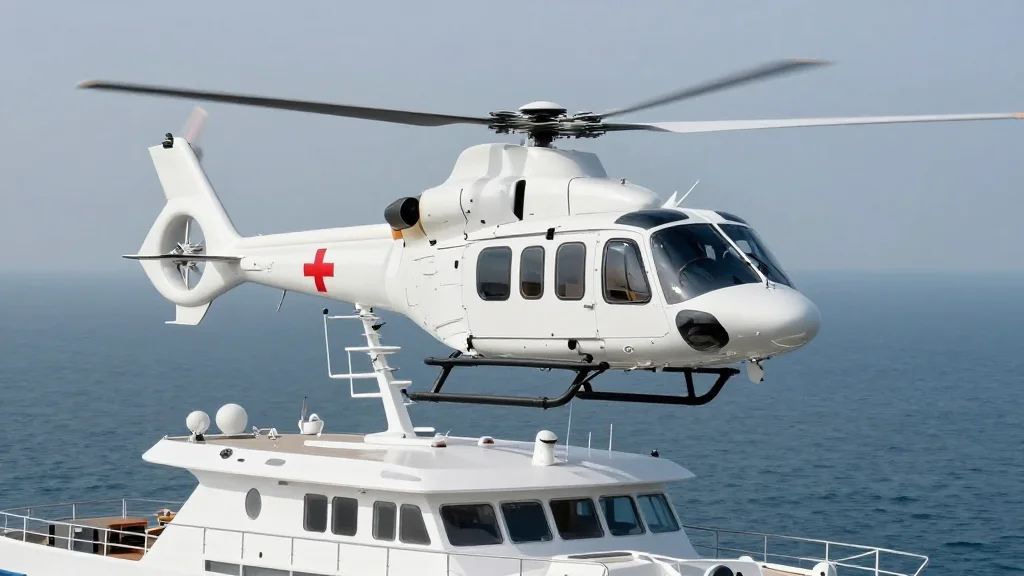
- •Three individuals (two crew, one passenger) were airlifted from MV Hondius after a hantavirus outbreak on May 6, 2026.
- •Expedition cruising contributed to a record 37.2 million cruise passengers in 2025, up 7.5% year‑over‑year.
- •Travelopod clients spend $30,000‑$50,000 per person on remote itineraries, often booked months in advance.
- •Interest in Antarctica trips rose 34% YoY through early 2026, according to Squaremouth's CMO Jacqueline Mondelli.
- •Prediction‑market data suggest a low probability of a widespread contagion, but industry safety standards may tighten.
Pulse Analysis
The MV Hondius outbreak arrives at a inflection point for expedition cruising, a niche that has grown faster than the broader cruise market in recent years. Historically, luxury travel has thrived on the promise of exclusivity and untouched landscapes; now, that promise is being tested by real‑world health risks that cannot be mitigated by simply offering higher price points. Operators that invest in robust medical infrastructure—such as onboard isolation wards, advanced diagnostic equipment, and pre‑arranged evacuation contracts—will likely differentiate themselves and retain the confidence of high‑net‑worth travelers.
From a competitive standpoint, the incident could catalyze consolidation among smaller expedition operators lacking the capital to upgrade medical capabilities. Larger players with diversified fleets may leverage their resources to set industry benchmarks, potentially forcing smaller rivals either to merge or exit the market. Meanwhile, insurers are poised to recalibrate risk models, which could translate into higher premiums for voyages that venture beyond 1,000 nautical miles from major ports. This cost pressure may be passed to consumers, narrowing the market to only the most affluent segment.
Looking forward, the broader implication is a shift toward a more regulated, health‑centric expedition travel ecosystem. Governments of remote ports—such as those in Cape Verde, Antarctica’s gateway cities, and Arctic nations—may impose stricter health‑screening requirements, mirroring post‑COVID protocols. If the industry embraces these changes proactively, the hantavirus episode could become a catalyst for a safer, more resilient model of remote tourism, preserving the allure of wilderness while protecting travelers from preventable health crises.
Hantavirus Outbreak on MV Hondius Raises Safety Concerns for Luxury Cruises
Comments
Want to join the conversation?
Loading comments...