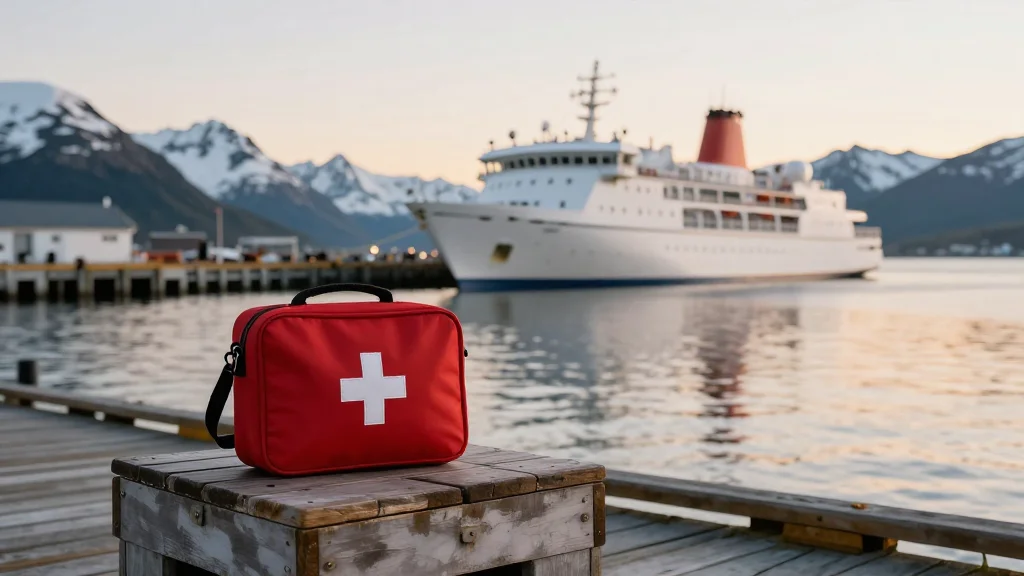
Hantavirus Outbreak Threatens Ushuaia's Antarctic Cruise Hub

Why It Matters
Ushuaia’s role as the primary departure port for Antarctic cruises makes it a linchpin in the global adventure‑travel market. A health scare that depresses bookings not only hurts local employment but also ripples through cruise operators, tour agencies, and ancillary services worldwide. The outbreak underscores how quickly infectious‑disease concerns can destabilise niche tourism economies that depend on a single seasonal product. Beyond immediate revenue loss, the situation tests Argentina’s public‑health response capacity and its ability to protect a high‑visibility tourism hub. Successful containment and transparent communication could reinforce confidence in other remote destinations, while a prolonged crisis might push travelers toward alternative gateways such as Chile’s Punta Arenas or even non‑Antarctic adventure locales.
Key Takeaways
- •Argentine health officials dispatched a hantavirus investigation team to Ushuaia on May 18.
- •The outbreak is linked to a Dutch couple who died in April after boarding an Atlantic cruise in Ushuaia.
- •Travel agents report rising cancellations, with some tourists shifting interest to Southeast Asia or Africa.
- •Ushuaia handles over 38,000 Antarctic cruise passengers annually, making tourism its economic backbone.
- •Local officials aim to prove the city’s safety to preserve its reputation ahead of the October high season.
Pulse Analysis
The hantavirus scare arrives at a moment when the adventure‑travel sector is still recovering from pandemic‑induced volatility. Ushuaia’s dependence on a single product—Antarctic cruise departures—creates a classic high‑risk, high‑reward profile. Historically, health incidents such as the 2009 H1N1 flu and the 2020 COVID‑19 pandemic have prompted swift itinerary rerouting and a temporary shift toward domestic tourism. In Ushuaia’s case, the perceived risk is amplified by the city’s remote location and limited medical infrastructure, factors that can magnify traveler anxiety.
From a competitive standpoint, neighboring ports like Punta Arenas in Chile stand ready to capture displaced demand if Ushuaia’s reputation suffers a prolonged blow. Cruise lines have already begun diversifying embarkation points to mitigate future disruptions. However, Ushuaia retains unique advantages: proximity to the Drake Passage, established logistics chains, and a brand built around the “end of the world” narrative. If the investigation clears the city, a coordinated marketing campaign highlighting rigorous health protocols could not only recover lost bookings but also set a new industry benchmark for disease‑response transparency.
Looking ahead, the episode may accelerate broader discussions about resilience in niche tourism markets. Stakeholders are likely to invest in rodent‑control programs, enhanced health screening, and real‑time communication platforms to reassure travelers. The outcome will shape how remote destinations balance the allure of pristine wilderness with the practicalities of public‑health safety, a tension that will define adventure tourism’s next decade.
Hantavirus Outbreak Threatens Ushuaia's Antarctic Cruise Hub
Comments
Want to join the conversation?
Loading comments...