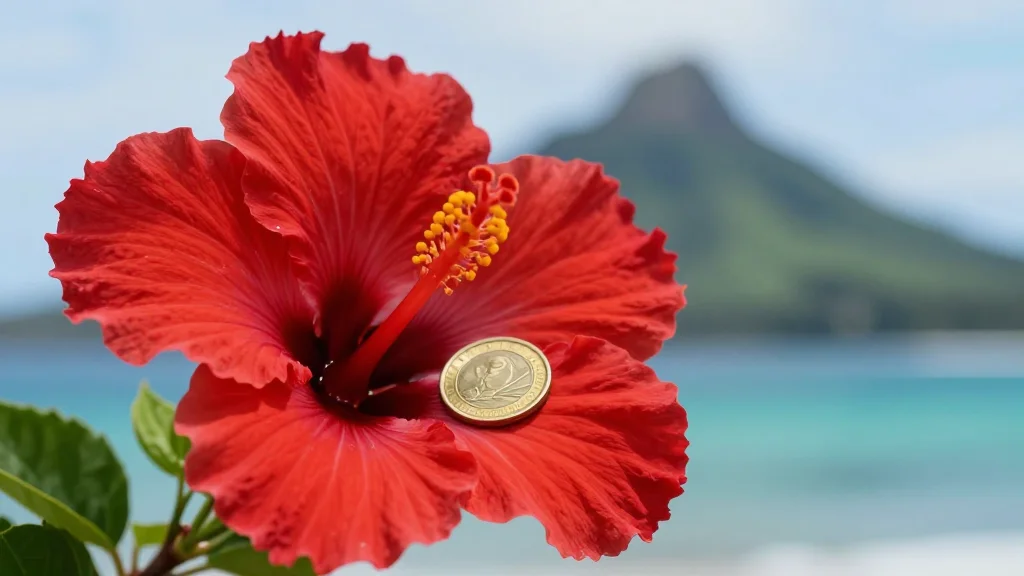
Hawaii Launches First U.S. Statewide Tourist Green Fee, Targeting $130 M for Conservation

Why It Matters
The Green Fee represents a pioneering fiscal tool that directly links tourism dollars to environmental stewardship, offering a template for other destinations facing similar pressures. By channeling visitor spending into climate‑resilient infrastructure, habitat restoration and wildfire mitigation, Hawaii aims to safeguard its natural assets that underpin the outdoor recreation economy. The policy also raises critical questions about governance, equity and the balance between revenue generation and community priorities, issues that will shape sustainable tourism debates nationwide. For outdoor enthusiasts, the fee could translate into healthier ecosystems—clearer reefs, restored watersheds and reduced wildfire risk—enhancing the quality of recreation while ensuring that the very landscapes they enjoy are preserved for future generations.
Key Takeaways
- •Hawaii’s 0.75 % nightly accommodation tax launched Jan 1, 2026, targeting $130 M annually.
- •First allocation: $6.6 M for land/watershed restoration, $5.7 M for wildfire prevention.
- •Over 600 project proposals submitted, totaling more than $2 B in requested funding.
- •Controversial allocations include a cattle slaughterhouse and high‑school disability upgrades.
- •Annual audit due 2027 will assess fund distribution and early environmental impacts.
Pulse Analysis
Hawaii’s Green Fee is a bold experiment in monetizing the externalities of mass tourism. Historically, destination economies have relied on indirect taxes or voluntary contributions, leaving environmental costs largely unfunded. By embedding a modest surcharge into every hotel stay, the state creates a predictable revenue stream that can be earmarked for high‑impact climate projects, a strategy that could shift the financial calculus for other coastal and island economies.
The policy’s design reflects a pragmatic compromise: a low‑rate tax that minimizes visitor pushback while generating substantial funds. Early allocation choices—land restoration and wildfire mitigation—address the most immediate threats to Hawaii’s outdoor assets. However, the inclusion of non‑environmental spending underscores the political reality of budget negotiations and the risk of mission creep. Transparency will be essential; stakeholders will likely demand clear metrics linking dollars to measurable ecological outcomes.
If the 2027 audit demonstrates tangible improvements—such as increased coral cover, reduced erosion or fewer wildfire incidents—the Green Fee could become a benchmark for sustainable tourism financing. Conversely, perceived mismanagement could fuel opposition and jeopardize future expansions, such as extending the fee to cruise ships. The coming years will test whether Hawaii can balance the dual imperatives of protecting its natural heritage and sustaining a thriving tourism industry, setting a precedent for the broader outdoors sector.
Hawaii Launches First U.S. Statewide Tourist Green Fee, Targeting $130 M for Conservation
Comments
Want to join the conversation?
Loading comments...